You know that feeling when your to-do list stares you down and there’s just no time left for you—or for the gym? The clock seems to move twice as fast when your schedule’s packed, and squeezing in fitness feels like chasing a mirage.
The truth is, skipping exercise doesn’t just sap your energy—after a few weeks of neglect, your mood dips, productivity tanks, and minor aches sneak up on you. It’s not just about missing a workout; it’s about losing those small wins that keep you feeling strong in a chaotic world.
Here’s the good news: by the end of this guide, you’ll have a practical, realistic fitness routine for busy schedule—short, effective workouts tailored to your reality. You’ll see how possible it is to reclaim your energy, one efficient session at a time. Ready?
How Time Constraints Impact Your Fitness Goals
Ever get to the end of a long, busy day and wonder, “Did I really have zero time to move today?” The struggle is real—packed calendars leave most of us feeling like exercise just isn’t an option. But here’s where it gets interesting: it’s rarely about the actual hours available, and more about how those hours are structured (or not).
When your schedule’s bursting at the seams, fitness can feel like one more responsibility instead of a stress reliever. Short windows between meetings or kids’ activities? That fragmented time often disappears before you can even lace up your shoes. The Centers for Disease Control and Prevention (CDC) points out that adults need at least 150 minutes of moderate activity per week—but studies show over 60% of working professionals fall short because daily “time leaks” chip away at those minutes fast.
💡 Pro Tip: Schedule workouts like any other important meeting. According to the American College of Sports Medicine, time-blocking exercise—even if it’s just 15 minutes—is proven to triple your follow-through.
So, what are the biggest offenders when it comes to lost workout chances? Let’s break down the common pitfalls:
- Overcommitment: Too many priorities mean your fitness plans always drop to the bottom of the list.
- Unplanned Downtime: Waiting in the car, on hold, or between tasks—missed micro opportunities for movement.
- Perfection Paralysis: Thinking you need a full hour at the gym to make it count, so you do nothing instead.
| Time Limitation | Impact on Fitness | Solution |
|---|---|---|
| No Blocked Time | Workouts skipped last-minute | Schedule in calendar |
| Too Many Commitments | Physical and mental fatigue | Reduce non-essentials |
| All or Nothing Mindset | Zero exercise if ideal isn’t possible | Embrace short, flexible sessions |
Picture this scenario: Emily, a high-performing manager, booked her days full—calls, emails, kid pickup. She told herself she’d “find time” to work out, but two weeks later, nothing changed. Not until she set three 10-minute “wellness breaks” in her calendar (alarm included) did movement become part of her daily rhythm. Suddenly, it wasn’t about having time—it was about making time visible.
What actually works might surprise you…
The Science Behind Quick, High-Intensity Workouts
Why do so many fitness experts rave about short, intense workouts for busy people? It sounds almost too good—could a 20-minute sweat session really rival an hour at the gym? The answer, backed by years of research, is a big yes for most people when intensity is dialed up.
High-Intensity Interval Training (HIIT) works because it alternates short bursts of vigorous activity with brief recovery periods. This structure gets your heart rate soaring, pushes your muscles, and torches more calories in less time. The American College of Sports Medicine notes HIIT workouts “can match or exceed the health benefits of traditional endurance training in less than half the time.” That’s huge in a packed schedule.
- Boosted Metabolism: Intense intervals create the “afterburn effect” (excess post-exercise oxygen consumption), keeping your metabolism elevated for hours post-workout.
- Cardio & Strength: HIIT isn’t just about running; it involves strength moves, too. Squats, push-ups, and lunges all count.
- Improved Insulin Sensitivity: Multiple studies from Harvard Medical School have found HIIT especially effective for blood sugar control and heart health—key for anyone managing stress and long workdays.
💡 Pro Tip: You don’t need fancy equipment—bodyweight HIIT routines can be done almost anywhere, using moves like burpees and mountain climbers. Adjust the work/rest ratio to fit your fitness level. Even five rounds of 40 seconds on, 20 seconds off packs real benefit!
In practice: imagine Alex, who couldn’t spare more than 15 minutes after her workday. By swapping 3 longer treadmill runs for HIIT circuits (think jumping jacks, squat jumps, planks), she saw better endurance and even slept deeper—less time, greater results.
| Method | Session Duration | Typical Benefits |
|---|---|---|
| Traditional Cardio | 45-60 min | Steady heart rate, slower progress |
| HIIT | 15-25 min | Fast calorie burn, improved VO2max |
| Tabata | 12-16 min | Time-efficient, major afterburn |
What actually works might surprise you…
How To Build Your Own 20-Minute Fitness Routine
Ever feel like a “real” workout requires too much planning or gear? The truth is, a powerful 20-minute routine can fit into almost any day, if you build it with purpose. The key: structure, not complexity.
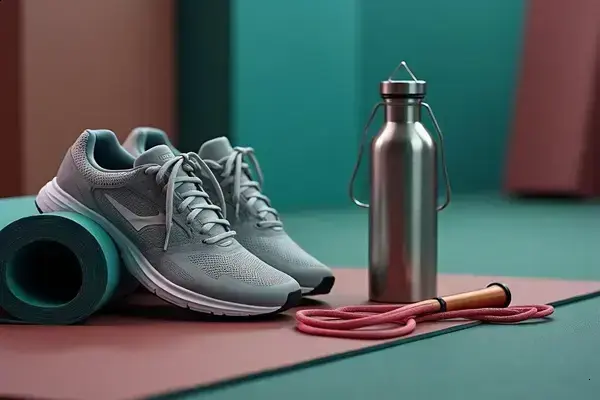
Before you start, gather these essentials:
- Non-slip exercise mat
- Resistance band (medium strength)
- Reusable water bottle
- Comfortable athletic shoes
- Timer—your phone’s clock works fine if set aside
If you’ve only got a small window, you need each minute to count. Here’s a step-by-step plan to design your own routine—one that actually sticks:
- Set Your Timer: Block out exactly 20 minutes. No interruptions—treat it like a meeting.
- Pick Four Moves: Choose two strength (e.g., squats, push-ups) and two cardio (e.g., jumping jacks, mountain climbers). Simplicity wins.
- Cycle Intervals: Perform each move for 40 seconds, then rest for 20 seconds. Complete all four, then repeat for four rounds.
- Balance Your Order: Alternate between upper and lower body, or cardio and strength, to allow some muscle recovery mid-round.
- Track Your Progress: After a week, jot down which moves felt toughest. Swap them for new ones weekly to avoid boredom and plateau.
💡 Pro Tip: Don’t skip the warm-up—a brisk walk or simple dynamic stretches for two minutes is enough to prep your muscles and prevent injury, according to guidelines from the American Council on Exercise.
In practice: imagine Lee, who only had an open slot after his kids’ bedtime. Using this method, he created a rotating set of bodyweight moves, snuck workouts in before Netflix, and started sleeping better—with less stress about “missing” gym days.
And this is exactly where most people make the most common mistake…
Essential Equipment For Small Spaces And Short Sessions
What if you could build a tiny gym in your living room—without ever tripping over it or draining your bank account? The best news: you only need a few high-impact tools to create a real difference in your quick workouts.
Here’s the magic formula for space- and time-challenged fitness:
- Resistance Bands: Lightweight, versatile, and surprisingly powerful. Bands add adjustable intensity to bodyweight moves (think squats or rows), perfect for muscle building in close quarters.
- Adjustable Dumbbells: Compact design lets you change weight on the fly. One set replaces a whole rack, saving both money and storage.
- Mini Exercise Ball: Core work, balance routines, even simple stretches—this handy tool amplifies basic mobility moves, especially when space is super tight.
- Foldable Exercise Mat: Essential for joint protection and grip, then folds to disappear under a sofa or in a closet the moment you’re done.
💡 Pro Tip: Invest in multi-use gear. A single resistance band or set of adjustable dumbbells creates dozens of exercise variations—no extra clutter, no wasted cash. The National Strength and Conditioning Association recommends prioritizing tools that “scale to all skill levels and space requirements.”
In practice: imagine Chris, apartment dweller, juggling morning meetings and evening deadlines. No gym nearby, no room for bulky treadmills. With a mat, a thick band, and a pair of weights tucked by the TV, he knocks out short, focused workouts—then stashes everything away before friends drop by. No mess, no missed sessions.
| Equipment | Best For | Space Needed |
|---|---|---|
| Resistance Band | Strength, flexibility, stretching | Coiled: less than a shoebox |
| Adjustable Dumbbells | Upper/lower body resistance | One small shelf |
| Mini Exercise Ball | Core and stabilization | A single drawer |
| Foldable Mat | Floor work, yoga, cushioning | Under bed/sofa |
But there’s one detail most owners completely overlook until it’s too late…
Staying Motivated: Making Consistency Manageable
Ever wake up fired up to work out, only to lose steam by day three? Consistency isn’t about sheer willpower. It’s about making good habits automatic—even fun—so you don’t dread showing up, no matter how packed your week gets.
Why is staying on track so tough? Motivation swings—especially with shifting schedules and unpredictable priorities—catch almost everyone off guard. The trick isn’t chasing that initial spark, but building systems that keep your momentum rolling when motivation dips.
💡 Pro Tip: Bundle your workouts with something you genuinely enjoy: your favorite morning playlist, great coffee after, or a two-minute post-sweat stretch using a foam roller. The National Institute on Aging suggests combining pleasant routines with exercise increases adherence dramatically.
- Schedule It: Place your short sessions at the same time each day—think “8:00 PM = mat time”—until it becomes second nature.
- Track Progress: Mark each completed routine on a wall calendar or with a digital habit tracker. Visible streaks spark your brain’s reward system.
- Build In Flexibility: Miss a day? No guilt trip. Set a rule: never miss two days in a row. This keeps you on track without all-or-nothing stress.
- Use Social Accountability: Tell a friend, partner, or online group about your mini workout goal. Even a quick check-in by message or app raises commitment.
- Celebrate Small Wins: Finished three sessions this week? Reward yourself—grab that new water bottle or stream an extra show, guilt-free.
In practice: Picture this scenario—a parent, Jamie, juggles early meetings and bedtime stories. Knowing consistency matters more than perfection, Jamie keeps a mat by the bed and a habit tracker on the fridge. Most weeks, three or four workouts add up, and missing one isn’t the end of the world. It’s progress.
| Motivation Strategy | Energy Needed | Consistency Impact |
|---|---|---|
| Habit Tracker | Low | High |
| Social Check-In | Medium | Medium-High |
| Reward System | Varies | Medium |
| Rigid Fixed Time | High | Low if disrupted |
Once this is in place, the rest of the routine falls into place naturally.
Your Fitness Fits Your Life Now
If you take just one thing from this guide, let it be: your fitness routine for busy schedule can be simple, short, and still get results. Build quick, structured workouts, pick equipment that fits your space, and make consistency the real goal. No need for perfection—just steady progress.
Before this, exercise probably felt out of reach—one more task wedged into an overflowing day. Now, you’ve got practical tools and a plan to fit movement into tiny windows of time. Little changes matter. Small wins stack up quick. You’re more capable than you think.
What’s your biggest challenge when it comes to sticking with short workouts in your busy week? Share your story in the comments—your tips might help someone else out!

Jordan Blake Harrison is a fitness enthusiast and workout planner dedicated to helping everyday people build consistent exercise habits that actually last. With a passion for practical training plans, honest nutrition guidance, and printable fitness tools, Jordan built this blog to give real people everything they need to get fit and stay motivated — without the overwhelm.