Have you ever started a workout—and halfway through, felt your lower back tighten or your knees ache more than your actual glutes? It’s not just you. That “dead butt” feeling is surprisingly common, even among fitness enthusiasts who hit the gym regularly.
When your glutes aren’t firing, everything from running to squats can suffer. Your lower back and hips pick up the slack, which leaves you at risk for soreness, overuse, and nagging injuries that just won’t quit. The truth is, neglecting your glutes can sabotage your workouts—and your daily movement—more than you think.
By the end of this article, you’ll have simple, proven glute activation exercises you can use to fire up your glutes before any workout. These moves make a real difference—get ready to feel your glutes do the work in every rep.
Why Glute Activation Matters For Strength And Injury Prevention
Ever notice that no matter how many squats or deadlifts you do, your quads or lower back seem to take over? There’s a reason for that—and it goes way beyond how much weight you’re lifting. Glute activation isn’t just a warm-up trend; it’s the foundation for unlocking true strength and keeping injuries at bay.
Picture this scenario: you’re pushing yourself during a heavy workout, feeling your knees strain or your hips start to ache. It’s frustrating, right? The truth is, inactive glutes can throw your entire kinetic chain off-balance. When these powerhouse muscles aren’t firing at the right time, your body recruits smaller, less efficient muscles to pick up the slack. That’s where chronic pain and nagging injuries begin.
💡 Pro Tip: According to the National Academy of Sports Medicine, athletes who regularly perform glute activation drills report fewer strains in their hamstrings and lower backs compared to those who skip them. Building strong glute engagement isn’t just about aesthetics—it’s injury insurance.
Glute activation is what turns your largest muscle group into an asset. Strong, well-activated glutes stabilize your pelvis, protect your lumbar spine, and boost your ability to generate power—whether you’re sprinting, lifting, or just picking something off the floor.
| Muscle Group | Role When Active | Common Risks When Weak |
|---|---|---|
| Gluteus Maximus | Primary hip extension, core stability | Increased lower back strain |
| Gluteus Medius | Pelvic alignment, lateral movement | Knee valgus, IT band syndrome |
| Gluteus Minimus | Hip support, injury prevention | Hip drop, unstable gait |
In practice: imagine two runners—one warms up with glute activation, the other skips it. By mile three, the first feels stabilized, every step powered from the hips. The second? Knees wobble, hips ache, form falls apart. That’s the difference.
So, what actually works to test—or revive—lazy glutes? Well, that’s often where most people make the most common mistake…
How To Spot Weak Glutes And Common Compensation Patterns
Ever wondered if your glutes are really working—or if other muscles are secretly picking up the slack? Weak glutes often hide in plain sight, causing issues that show up as discomfort, wobbly movement, or even frustrating plateaus at the gym. Most people don’t realize they’re compensating, but your body gives plenty of clues if you know where to look.
💡 Pro Tip: According to the American Physical Therapy Association, paying attention to subtle movement patterns and muscle fatigue during squats or lunges can reveal underactive glutes before pain develops.
Let’s break down the most common signs your glutes aren’t doing their job:
- Knee Valgus: When your knees cave inward during squats or steps, it often signals that your glutes (especially the gluteus medius) aren’t stabilizing your hips.
- Anterior Pelvic Tilt: A forward-tilted pelvis and exaggerated lower back arch is another sneaky clue—you may notice it while standing or walking.
- Low Back Soreness: Sore or tight lower back muscles after leg workouts frequently means your back is overcompensating for weak glutes.
- Quad or Hamstring Dominance: If you always feel these muscles working, but rarely a ‘glute burn,’ they’re likely taking over the effort.
Picture this scenario: you finish a run feeling knee pain or notice hip fatigue after a long walk. Instead of thinking, “I must be getting old,” ask yourself—are my glutes clocking out on the job?
| Compensation Pattern | Telltale Sign | Potential Long-Term Impact |
|---|---|---|
| Knee Valgus | Knees buckle inward | ACL injury, IT band syndrome |
| Anterior Pelvic Tilt | Lower back arch, belly protrudes | Chronic lumbar pain |
| Quad Dominance | Front thigh fatigue, little glute burn | Patellar tendonitis |
In practice: a personal trainer notices a client’s squat form always breaks down at the same point—knees fold in, back rounds, hips shoot up first. With targeted glute activation drills, those compensation patterns start to fade, and movement feels more stable.
Worried you’re missing something subtle? What actually works to retrain your glutes—and bring them back online—might surprise you…
Step-By-Step Glute Activation Exercises To Try Now
What’s the easiest way to wake up stubborn glutes? Start with targeted, step-by-step activation drills—no gym membership or heavy equipment required. These exercises only take 10–15 minutes, but the payoff can transform everything from your squat form to your running stride.
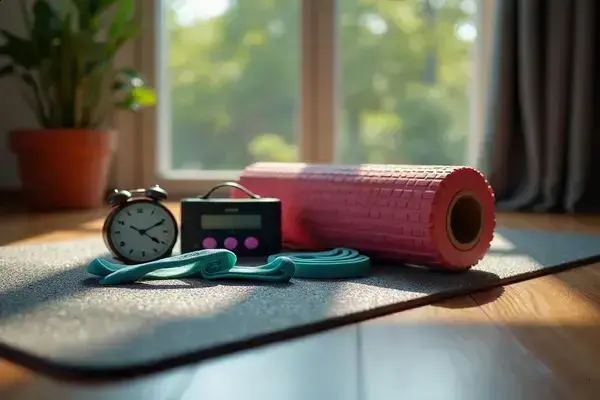
- Mini resistance band (light to medium)
- Mat or soft surface
- Small foam roller (optional for pre-activation release)
- Wall or sturdy chair for balance (optional)
- Glute Bridge (2 x 15 reps): Lie on your back with knees bent, feet hip-width apart. Drive heels into the floor and lift hips, squeezing glutes at the top. Lower with control. Focus: full glute squeeze—don’t rush.
- Banded Clamshell (2 x 12 reps/side): Place a mini band just above your knees. Lie on your side, knees bent and stacked. Open your top knee, keeping feet together. Slowly close. Feel the outer glute fire up as you lift.
- Quadruped Fire Hydrant (2 x 10 reps/side): On hands and knees, lift one knee laterally (like a dog at a hydrant). Hold at the top, lower slowly. This wakes up your glute medius—vital for hip stability.
- Banded Lateral Walk (2 x 12 steps each direction): Stand with the band around thighs or ankles. Lower into a mini squat and sidestep, maintaining tension. Keep your hips level and glutes engaged with each step.
- Single-Leg Glute Bridge (2 x 10 reps/side): Same as the basic bridge, but one leg extends out. This challenges glute strength and detects left/right imbalances.
⚠️ Important Warning: The American Council on Exercise recommends consulting a licensed health professional before starting any new exercise regimen—especially if you have existing injuries or chronic pain. Start with lower intensity and adjust repetitions as needed for your body.
In practice: imagine warming up with these moves before your next workout. You finish your sets and finally feel your glutes—not just your quads or back—doing real work. That’s the shift that builds resilience and power, exercise after exercise.
But maximizing those glute gains isn’t just about drills—tiny habits in daily life make a big difference, too…
Tips To Maximize Your Glute Engagement In Daily Life
Ever feel like your glutes only switch on when you’re at the gym? The reality is, true progress comes from small habits you build into everyday life—not just from those intense bursts of effort. There’s a reason top physical therapists, like those cited by the Mayo Clinic, stress daily muscle awareness for lasting change.
- Stand Up, Squeeze: Waiting in line? Try a subtle glute squeeze for 10 seconds, then release and repeat. You’ll boost muscle mind–connection with zero equipment.
- Use The Stairs: Press through your heels as you step up, consciously engaging your glutes every time. Avoid letting your knees drift forward—drive up from the hip.
- Correct Your Posture: Throughout your day, check that your pelvis isn’t tilting forward. Stack your ribs over hips and lightly engage your core and glutes while you stand or walk.
- Incorporate Mini-Band Walks: Slide a mini resistance band above your knees and do a few lateral sidesteps beside your desk or sofa when you’re home. Two minutes is plenty.
- Hip Thrust While Brushing Teeth: No joke—lean back against the counter, plant your feet, and press your hips forward. It’s quick activation that adds up fast.
💡 Pro Tip: Use reminders—phone alarms or sticky notes—to cue glute engagement at least three times per day. These micro-activations reinforce the neural pathway you’re building, making new movement patterns stick.
In practice: imagine pausing during your workday, standing to refill your water, and mindfully squeezing your glutes with every step back. Over a few weeks, even your walk feels more ‘springy.’ The American Council on Exercise confirms these bite-sized adjustments can help reinforce proper hip mechanics and fend off joint pain.
But there’s one mistake a lot of people make when trying to solidify their new glute routine—and understanding how to fit activation work into your whole workout is the secret most never hear…
How To Integrate Glute Activation Into Any Workout Routine
Ever finish a workout and realize your glutes barely got involved? That’s a common frustration—a few tweaks to your routine can make all the difference. Glute activation isn’t a time-consuming add-on; it’s a strategic reset that primes your muscles for every lift, squat, or cardio burst ahead.
- Start Every Session With 5 Minutes Of Activation: Use a mini band for clamshells or lateral walks. Two sets before your main workout is enough to cue neural drive—don’t overthink it.
- Pair With Compound Movements: Slot banded bridges, monster walks, or frog pumps between warm-up sets of squats and deadlifts. This reminds your central nervous system to keep glutes “online.”
- Layer Activation Into Rest Periods: Waiting between heavy sets? Use those 60 seconds for low-intensity drills like single-leg glute bridges—prime, but don’t fatigue.
- Finish With An Isolation Finisher: At the end, add an isolation move—like hip abductions or banded kickbacks—to reinforce the mind-muscle link you built throughout.
- Track Progress And Adjust: Don’t settle for feeling “something.” Aim for a visible glute contraction, not low back or quad fatigue. Every few weeks, switch up the drills so your body keeps adapting.
💡 Pro Tip: According to the National Strength and Conditioning Association, warm-ups with integrated glute activation cut injury risk and boost workout power. Keep a mini band or exercise ball in your gym bag for quick setup—tiny tools, major impact.
| Routine Element | When To Add | Example Exercise |
|---|---|---|
| Warm-up | First 5 minutes | Banded Glute Bridge |
| Main Sets | Between sets | Lateral Band Walk |
| Finisher | Last 5 minutes | Single-Leg Glute Bridge |
In practice: picture someone about to squat heavy—after just three minutes of activation work, their form locks in, and each rep feels powerful. Noticing your glutes firing before you even start your first big set? That’s the signal you’re integrating activation the right way. The right habits in place now make everything easier from here.
Your Glutes Are Finally Awake
You’ve just unlocked what most gym-goers miss for years—how to activate, strengthen, and actually feel your glutes working. If you take just one thing from this guide, let it be: consistent glute activation exercises change the way your whole body moves and protects itself, not just your workout.
Before, every squat or step might’ve left you wondering why your lower back or knees did all the work. Now, you’re set up to power through your day—at home, at the gym, anywhere—with glutes that actually fire. Small routines, used daily, lead to stronger, healthier movement you can feel in real life. You’re in control now.
What’s the first glute-activating habit you’re adding to your routine? Share your plan—or your biggest struggle—in the comments. Let’s keep this momentum going!

Jordan Blake Harrison is a fitness enthusiast and workout planner dedicated to helping everyday people build consistent exercise habits that actually last. With a passion for practical training plans, honest nutrition guidance, and printable fitness tools, Jordan built this blog to give real people everything they need to get fit and stay motivated — without the overwhelm.