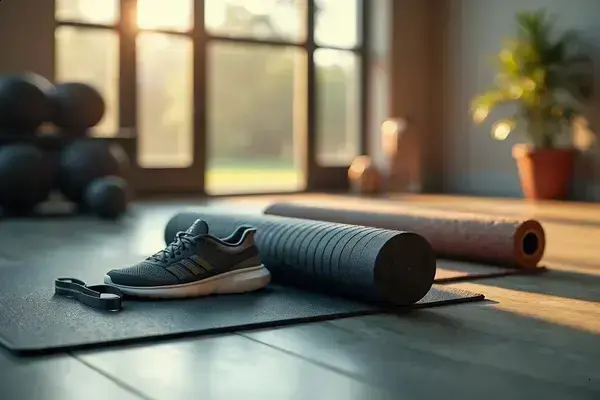
Picture this: you step into the gym for the first time, and suddenly it feels like the whole place has stopped to stare. Sound familiar? You’re not alone—many new members worry about what everyone else is thinking the minute they walk through those doors.
The truth is, gym intimidation isn’t just in your head. It can sap your motivation, keep you glued to the cardio machines (where you’re less noticed), or even convince you to stay home. Self-doubt and awkwardness can turn something meant to boost your confidence into something you dread.
Stick with me, and by the end of this article you’ll have practical gym intimidation tips beginners can use to walk in with real confidence. There’s a way to make the gym feel like it truly belongs to you—keep reading and you’ll see how it happens, step by step.
Why Gyms Feel Intimidating For Beginners
You walk into the gym and instantly, it hits — that feeling like all eyes are trained on you, silently judging every move. Why does this place, designed to help you, feel so intimidating to beginners? It’s not just you. According to a recent study by the International Health, Racquet & Sportsclub Association (IHRSA), over 50% of new gym-goers cite intimidation as the main reason they avoid returning after their first visit.
Here’s the thing: gyms are filled with unfamiliar equipment, fast-paced routines, and regulars who seem to glide through their workouts with confidence. This combination fuels the anxiety that you’ll mess up, stand out, or worse, embarrass yourself outright. That social pressure isn’t imaginary — studies on social comparison theory, like those from Stanford’s Behavioral Lab, show beginners are prone to comparing themselves harshly to others in open environments like fitness centers.
💡 Pro Tip: Most seasoned gym members are too focused on their own routines to notice what anyone else is doing. According to the American Council on Exercise, confidence comes faster if you focus on your plan — not on who’s around you.
Picture this scenario: it’s Monday evening, the gym’s busiest time. You want to try the free weights, but everyone’s crowding that area. Your mind races — Do I have the right posture? Am I blocking someone’s set? Suddenly, you default back to the treadmill, feeling frustrated and invisible. That’s classic fear of judgment in action, and honestly, it keeps thousands from ever exploring the full gym.
| Common Triggers | Why They Intimidate | How To Recognize |
|---|---|---|
| Unfamiliar Machines | Fear of using equipment wrong | Hesitant to approach, watching others first |
| Loud, Crowded Areas | Sensory overload, visible comparison | Stick to quiet corners or avoid gym peak hours |
| Complex Workout Routines | Don’t know where to start | Jump from machine to machine, lack of plan |
So why does intimidation persist, even when logic says nobody’s watching? It’s a blend of fear of embarrassment, sensory overload, and the pressure to ‘fit in.’
But there’s one detail most beginners overlook until it’s too late — how mental preparation before you even walk through those doors changes everything…
How To Prepare Mentally Before Stepping Into The Gym
Ever catch yourself dreading your first day at the gym—not because of the workout, but because of what might happen the second you step inside? The mental part is often tougher than anything you’ll lift or run. Preparing your mind is the hidden step that turns anxiety into genuine momentum.
- Set a Clear Intention: Decide what you want from this gym session. Is it learning a new machine, finishing a 20-minute workout, or maybe just showing up and staying for half an hour?
- Visualize Your Path: Picture yourself walking through the entrance, scanning your membership, grabbing a mat, and heading straight to your first station. Visualization techniques like these are recommended by sports performance specialists at the American Psychological Association to lower stress and boost focus.
- Prepare for Mistakes—And Embrace Them: Accept ahead of time you’ll mess up a form, forget a locker code, or ask a question. That’s normal. Mentally rehearsing “small stumbles” helps you recover faster when they inevitably happen.
- Decide on an Arrival Routine: It doesn’t have to be fancy. Maybe it’s putting headphones on, filling your water bottle, or stretching in the corner—but do it exactly the same way every time to create a comfort ritual.
- Block Out Distractions: Whether it’s prepping your playlist or turning off phone notifications, set yourself up so your mind stays in the gym, not wandering elsewhere.
💡 Pro Tip: Make a micro-goal—like spending just 10 focused minutes on something new. According to the National Academy of Sports Medicine, incremental challenges keep motivation high and nerves low.
In practice: imagine Sarah, who’s never set foot in a gym alone. She tells herself, “My only job tonight is to walk in, put my bag in a locker, and warm up on the elliptical for five minutes.” That’s it. The smaller the target, the less intimidating the experience—and the higher her odds she’ll come back.
- Comfortable workout clothes
- Water bottle
- Personal ID or gym card
- Headphones
- Optional: gym towel, lock, snacks for post-workout
Mental prep takes maybe 10 minutes, but it changes your whole approach. And this is exactly where most people make the most common mistake—skipping mindset work and going in cold…
Practical Ways To Navigate Crowded Gym Spaces
Wondering how on earth you’re supposed to find your place when the gym floor looks more like a rush-hour subway? Crowded gyms test your patience, spatial awareness, and—honestly—your sense of belonging. But you don’t have to feel lost or intimidated, even when every station is full.
- Arrive Off-Peak: If your schedule allows, show up before 7 am or after 8 pm. According to the International Health, Racquet & Sportsclub Association (IHRSA), these are statistically the least busy times for most fitness centers.
- Map Your Workout: Before you even grab a dumbbell, mentally scan the gym. Note which areas are packed and what’s actually available. This quick survey lets you pivot without hesitation.
- Have a Backup Move: If someone’s using your planned equipment, don’t stall. Swap in an alternative exercise that works the same muscle group. For example—can’t use the bench? Try floor presses or resistance bands nearby.
💡 Pro Tip: Wipe down all equipment before and after you use it. Not only is it good hygiene, but it signals to others that you’re considerate and confident using shared spaces. CDC health guidelines recommend this as best practice.
Quick Decision Table: When Your Station is Taken
| Original Equipment | Alternate Move | Why It Works |
|---|---|---|
| Bench Press | Push-Ups/Floor Press | Targets similar upper body muscles, no wait |
| Squat Rack | Dumbbell Goblet Squats | Hits major leg groups, flexible location |
| Cable Machine | Resistance Band Pulls | Works back/arms, portable and low crowd |
In practice: picture this scenario—you’re eyeing the only open treadmill but someone beats you to it. Instead of waiting awkwardly, you quickly grab a jump rope from the accessories rack and switch your cardio to intervals. You stay moving, your heart rate up, and your confidence never drops.
With these tactics, you’ll flow through busy zones without freezing or wandering aimlessly. But what actually works for sticking to a plan long enough to see results might surprise you…
Building A Simple Routine You Won’t Abandon
If you’ve ever felt your excitement for the gym fade by week two, you’re not alone. The truth is, sticking with fitness isn’t about superhuman willpower—it’s about designing a simple, rewarding routine you actually want to repeat.
- Pick Basic Movements: Start with staple exercises like squats, push-ups, and rows. They’re foundational, work major muscle groups, and don’t require complicated technique. The American College of Sports Medicine suggests that beginners master these before adding variety.
- Choose Realistic Days and Times: Don’t plan six days if you know two or three is more realistic. Consistency beats intensity, every time.
- Write Down Your Routine: Literally—track it in a notebook or mobile app. Visual progress is more motivating than you think, especially on days motivation dips.
- Use the 2 by 2 Rule: Structure two circuits of two moves each. For example, alternate between push-ups and bodyweight squats for one circuit, then planks and standing rows for the second.
- Make Recovery Part of Your Plan: Insert short rests, stretching, and a regular rest day. Recovery isn’t slacking off—it’s essential, according to Centers for Disease Control and Prevention guidance on safe exercise habits.
💡 Pro Tip: Set one ‘anchor’ day—like Saturday morning—that’s non-negotiable. Even if the rest of your week gets jumbled, keeping that one workout ritual builds unstoppable consistency over time.
In practice: say you’re only free Mondays and Thursdays after work. You block those slots for a no-nonsense 40-minute session. You follow the same structure each time: five-minute warm-up, two circuits, cool down. Once these sessions become habit, adding an optional extra becomes easy.
| Routine Element | What To Do | Pro Tip |
|---|---|---|
| Warm-Up | 5 mins cardio or dynamic stretching | Boosts heart rate & prevents injury |
| Main Sets | 2×2 basic movement circuits | Fast, flexible, covers full body |
| Cool Down | Stretch & drink water | Aids recovery & reduces soreness |
What actually works might surprise you—sometimes the smallest tweaks to your setup are all it takes to finally see progress…
Celebrating Progress And Not Comparing Yourself
Ever catch yourself glancing around the gym—wondering why everyone else seems stronger, faster, or more put together than you? It’s all too easy to compare your starting line to someone else’s finish line. But celebrating your progress, no matter how small, is the real game changer.
- Track Your Wins: Jot down every personal best, whether it’s an extra push-up, a heavier dumbbell, or simply showing up on a tough day. You’d be surprised how motivating those little milestones become over time.
- Embrace Non-Scale Victories: Not everything shows up on the scale. Maybe you notice improved sleep, more energy, or less soreness after each workout. The Mayo Clinic highlights that health progress often starts with how you feel, not just numbers.
- Avoid Social Media Traps: The truth is, most fitness posts are highlight reels—curated, filtered, and rarely representative of a full journey. Focusing inward keeps your confidence steady.
💡 Pro Tip: Create a quick “before and after” comparison just for you—snap a photo or jot a few lines in your phone every month. Over time, you’ll see growth you might miss day to day. According to guidance from the World Health Organization, tracking your own improvement is the healthiest motivator of all.
Personal Progress Table
| First Gym Month | Midpoint | After 3 Months |
|---|---|---|
| Struggled with 5 push-ups | Completing two sets of 10 | Now lifting heavier weights with confidence |
| Intimidated by busy spaces | No longer worried about observers | Focused on your own goals |
| Unsure of routine | Following a simple plan | Routine feels automatic and personal |
In practice: picture this scenario—it’s your tenth gym visit. You can do twice as many squats, your breathing is easier, and suddenly, you realize you haven’t even glanced at what anyone else is doing. Comparing yourself to your past self is where real fulfillment begins.
The right habits in place now make everything easier from here.
Your Confidence Grows With Every Step
If you take just one thing from this guide, let it be: everyone starts as a beginner—what matters most is showing up and taking your first step. Simple routines, choosing your own progress markers, and refusing to compare yourself to others are the real keys for any beginner battling gym intimidation tips. It’s all about small, steady actions.
Think back to how unsure you felt before—maybe anxious, maybe a little lost, definitely outside your comfort zone. That’s normal. But now you’ve got practical ways to prep your mind, move through the crowds, stick to a plan, and spot your own wins. Suddenly, the gym can feel a lot more like your space, not someone else’s arena.
What part of gym intimidation do you want to tackle first—mental prep, crowded spaces, or sticking to your new routine? Tell us in the comments! Your story might just inspire someone else.

Jordan Blake Harrison is a fitness enthusiast and workout planner dedicated to helping everyday people build consistent exercise habits that actually last. With a passion for practical training plans, honest nutrition guidance, and printable fitness tools, Jordan built this blog to give real people everything they need to get fit and stay motivated — without the overwhelm.