Imagine hitting the gym hard for weeks, but your performance plateaus. You’re frustrated—weights feel heavier, soreness lingers, and motivation dips no matter how many reps you squeeze in.
The truth is, even the best training plan won’t deliver if your body doesn’t get deep, restorative sleep. Lousy sleep is like trying to charge your phone on a broken cord—energy drains fast, leaving you running on empty. Missed recovery means missed gains, plain and simple.
By the end, you’ll know how to use sleep and fitness guide better performance to get stronger, recover faster, and finally see the results your hard work deserves. Ready to break through that plateau?
Why Quality Sleep Is The Missing Link In Fitness
Ever wondered why your workouts sometimes fall flat, even though you’re sticking to your plan and giving it your all? The missing piece isn’t always another set or supplement—it’s often found in the quiet darkness of your bedroom.
Quality sleep isn’t just bonus recovery time. It’s when your body repairs muscle tissue, balances hormones like testosterone and growth hormone, and actively recharges your mental focus—three pillars of fitness progress. Without real rest, your energy drops, soreness lingers, and fat burn slows down. That can mean weeks of hard training with little visible payoff.
💡 Pro Tip: According to the U.S. Centers for Disease Control and Prevention (CDC), adults need at least 7 hours of quality sleep nightly for peak metabolic and physical performance. Prioritize not just the amount—but the quality—of sleep you’re getting to truly impact your training gains.
Picture this scenario: you crush your leg day in the gym, but you only get a restless five-hour night. The next morning, your muscles ache in all the wrong ways, and motivation sinks. Instead of craving that post-workout recovery shake, you reach for a third cup of coffee—and your next session feels sluggish. Now imagine getting a solid, restorative eight hours, waking up refreshed, and actually feeling the gains from all your hard work. Night and day difference, literally.
- Muscle repair happens mostly during deep sleep, when blood flow to muscles increases and protein synthesis accelerates.
- Hormone production, particularly growth hormone, peaks during slow-wave sleep. Missing this window delays progress.
- Fatigue resistance—your body’s ability to push through tough sets—relies on proper REM cycles for brain and nervous system support.
According to a 2017 Stanford University study, student athletes who extended their sleep to 9 hours a night improved sprint times, reaction speed, and reduced injury rates dramatically. They didn’t change their workouts—just their sleep. That’s how much it matters.
| Fitness Element | Sleep’s Role | Visible Impact |
|---|---|---|
| Muscle Growth | Triggers repair during deep sleep stages | Faster strength, visible definition |
| Hormone Balance | Boosts testosterone, growth hormone | Quicker recovery, lower body fat |
| Motivation & Energy | Restores mental sharpness, reduces fatigue | Longer, better workouts |
And this is exactly where most people make the most common mistake—thinking one more workout can make up for chronic sleep debt. Spoiler: it can’t…
How Poor Rest Sabotages Your Progress, Even With Training
Why does it feel like your progress stalls—even when you’re grinding out workouts and tracking nutrition religiously? The real saboteur might not be your routine or willpower. It could be those restless nights you write off as “just another busy week.”
Poor rest disrupts the repair cycle at almost every level. Inconsistent or fragmented sleep throws off cortisol (your stress hormone), cranks up inflammation, and makes muscles ache longer than they should. Even worse, lack of deep sleep impairs how your body processes carbs and fats, sabotaging both fat loss and muscle gain goals in one blow.
⚠️ Important Warning: The American Academy of Sleep Medicine warns that chronic sleep deprivation can increase the risk of injury, decrease reaction time, and even undermine immune health over time. If you consistently wake up feeling exhausted, consult a healthcare professional to rule out underlying sleep disorders.
Picture this scenario: you’ve hit the gym five days straight, but most nights you sleep poorly—maybe tossing and turning after stressful days or staying up late for Netflix. The next week, weights feel heavier, you’re hungrier (especially for sugary snacks), and stubborn muscle soreness refuses to fade. That’s not just in your head; it’s how sleep debt hurts every biologic system supporting your workouts.
- Hormonal imbalance leaves you feeling drained and irritable.
- Muscle repair slows, so yesterday’s workout lingers in today’s fatigue.
- Reduced REM (dream) sleep erodes focus and motivation, making it harder to power through tough intervals.
- Poor sleep raises inflammation, so joints feel stiff—sometimes leading to nagging injuries.
Check out this comparison table to see how poor vs. quality rest can alter your results:
| Aspect | Bad Sleep | Good Sleep |
|---|---|---|
| Muscle Recovery | Slowed, incomplete | Efficient rebuilding |
| Fat Loss | Stalled metabolism | Improved body composition |
| Performance | Plateaus, frequent setbacks | Consistent improvement |
Here’s the thing: even with the most advanced preworkout supplements or optimized training plan, you can’t out-train poor sleep. What actually works might surprise you…
Simple Steps To Sync Your Sleep Schedule With Your Workout Goals
Ever feel like you’re stuck playing calendar Tetris between your workouts and a decent night’s sleep? The reality is, your sleep schedule doesn’t have to clash with your training routine. Aligning the two can completely transform your results and boost recovery like nothing else.
- Pinpoint Your Training Times: Are you an early bird or late-night lifter? Schedule workouts when your body naturally feels most alert—your “peak performance window.”
- Set a Consistent Bedtime (and Wake Time): Shift your schedule, but keep those hours steady—even on weekends—to cement sleep regularity.
- Establish a Pre-Bed Wind-Down Ritual: Create 30–60 minutes of tech-free, low-light relaxation before sleep. Journaling, light stretching, or reading beat doomscrolling every time.
- Fuel and Hydrate Wisely: Finish caffeine and big meals at least 3 hours before bed. A balanced post-workout snack (think carbs plus protein) won’t spike energy right as you’re winding down.
- Track and Adjust: Use a fitness tracker, smart alarm, or even a basic sleep journal to monitor sleep quality—and tweak workout timing if you’re dragging or restless after sessions.
💡 Pro Tip: According to the Sleep Foundation, your body clock (circadian rhythm) responds best to routine. That means working out, eating, and sleeping at the same times every day—yes, even on Sundays—can help regulate hormones and lock in deep sleep cycles.
In practice: Imagine you’re training for a half marathon. You move your evening runs to early morning—and notice you fall asleep faster, wake with more energy, and smash your pace targets. Syncing your schedule isn’t magic, but it’s as close as most of us get to a workout “cheat code.”
- Morning trainers usually sleep better if they avoid hardcore sessions within an hour of waking.
- Evening lifters should finish at least 2 hours before bedtime to let adrenaline and heart rate drop.
- If you must work out late, a warm shower and light carb snack post-training can support faster sleep onset.
But there’s one detail most owners completely overlook until it’s too late: what you do outside the gym is just as crucial for recovery as the workout itself…
Foods, Habits, And Tools That Improve Sleep For Athletes
What does your evening routine actually look like once you’ve wrapped up training? The truth is, optimizing your sleep isn’t just about shutting your eyes at the same time each night. Every detail—from what you eat to how you wind down—can make or break your rest and, by extension, your athletic performance.
- Foods for Better Sleep: Greek yogurt with berries, a banana with almond butter, or a handful of walnuts all naturally boost melatonin or magnesium levels. Avoid heavy, spicy meals and caffeine close to bedtime—those do your sleep cycle no favors.
- Powerful Habits: Consistency is king. Set a “tech curfew” an hour before bed. Meditative breathing, progressive muscle relaxation, or gentle foam rolling can signal to your brain (and tight muscles) that rest is coming.
- Sleep Tools and Tech: Eye masks, blackout curtains, and white noise machines (try products from official brands like LectroFan or Marpac) support deeper, uninterrupted rest. Fitness trackers such as WHOOP, Oura Ring, or Fitbit can help you monitor sleep stages and recovery status with real data.
💡 Pro Tip: The National Sleep Foundation suggests keeping your bedroom cool (60–67°F), clean, and gadget-free. Athletes tend to sleep better in uncluttered, minimalist spaces that feel relaxing by design.
In practice: After evening training, you prep a small protein-carb snack, dim the lights, and set your phone to “Do Not Disturb.” You slip on a sleep mask and start breathing deeply. A half hour later, you’re asleep faster—and wake up ready to perform.
| Category | Best Options | Why It Works |
|---|---|---|
| Food | Banana with nut butter | Boosts magnesium and tryptophan |
| Habit | Tech curfew + stretching | Lowers cortisol, prepares body for rest |
| Tool | Blackout curtains | Eliminates light disruption |
And this is exactly where most people make the most common mistake—thinking fancy products can replace a solid nighttime routine…
How To Track Progress: Signs Your Sleep-Fitness Routine Works
How do you know if your new sleep-fitness habits are actually moving the needle—or just feel-good routine tweaks? You don’t need to rely on guesswork. Tracking real markers is the surest way to tell if you’re on the right path.
- Waking up alert (no snooze button marathon).
- Faster post-workout recovery (less aching, more energy).
- Consistently setting personal bests or sustaining performance without dips.
- Sharper mental focus in everyday life—not just at the gym.
- Better mood and reduced cravings for junk food.
💡 Pro Tip: The American College of Sports Medicine recommends keeping a log of both your sleep quality and workout outcomes for at least 2-3 weeks. Patterns will emerge—often in ways that surprise you.
In practice: You start writing down when you go to bed, how rested you feel each morning, plus your training notes. After ten days, you realize two late nights line up perfectly with dropped energy and a missed run. That’s not coincidence—it’s feedback your body’s giving you in real time.
| Sign | What To Observe | Typical Improvement Timeline |
|---|---|---|
| Morning Alertness | Getting up without grogginess | Within 1 week |
| Training Recovery | Less soreness & better mood | 1-2 weeks |
| Workout Progress | Steady gains & no plateaus | 2-3 weeks |
The right habits in place now make everything easier from here. Stick with tracking, adjust as needed, and trust the signals—your best athletic self is built one night (and one workout) at a time.
Rest Makes Every Rep Count
If you take just one thing from this sleep and fitness guide better performance, let it be: quality sleep is the secret weapon behind lasting progress—more than any protein shake or workout hack. Getting real rest helps your body recover, keeps motivation high, and lets every sweat session actually pay off.
Maybe before, late nights and tired mornings felt “normal”—every workout felt harder and results came slow. Now you know how small shifts in sleep, routine, and tracking can flip the script. You’ll wake up sharper. Training will feel good again. Your goals are actually closer than you think.
Which sleep upgrade or habit are you most excited to try for better workout results? Share your plans below—I’d love to see what you discover!
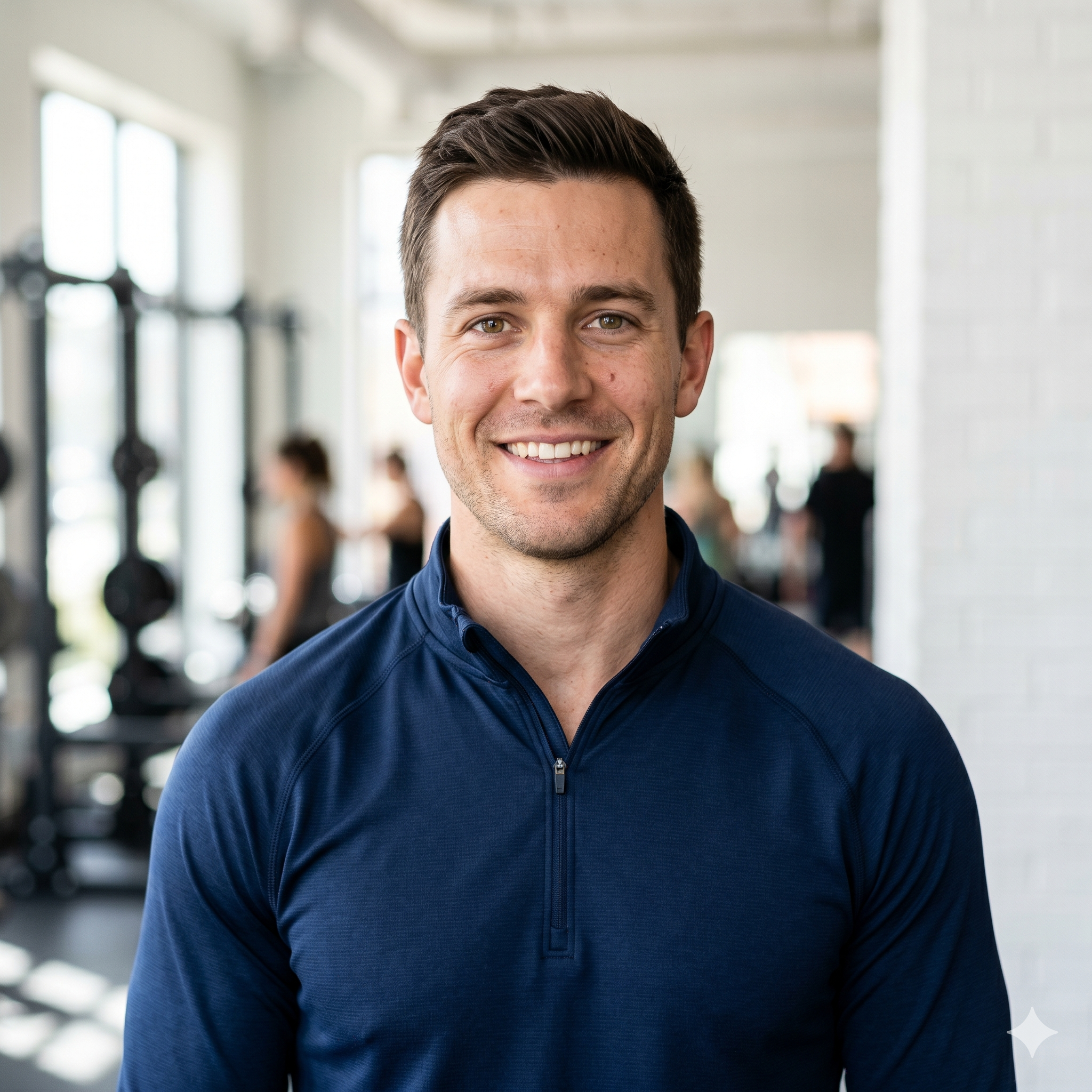
Jordan Blake Harrison is a fitness enthusiast and workout planner dedicated to helping everyday people build consistent exercise habits that actually last. With a passion for practical training plans, honest nutrition guidance, and printable fitness tools, Jordan built this blog to give real people everything they need to get fit and stay motivated — without the overwhelm.