Picture this: You get out of bed, try to reach for your toes, and—ouch. That tightness isn’t just uncomfortable, it sticks with you all day. You’re not alone if every attempt at stretching feels kind of awkward or you’re simply not sure where to start. If you’re juggling a busy schedule or just want less pain and more comfort in your daily life, it’s easy to let flexibility fall by the wayside. Ignoring stiff muscles often leads to real problems—nagging aches, poor posture, even injuries waiting to happen. All that tension can sneak into your workouts, workdays, and downtime, making it hard to feel your best. But here’s the thing: By the time you finish, you’ll have a stretching routine guide printable that removes all the guesswork—simple steps for better flexibility, fewer injuries, and more energy every day. Ready for a stretch that actually transforms how you move? Let’s jump in.
Why Regular Stretching Matters For Your Body
Ever wondered why your body feels stiff after a long day at work—or why some people seem to move with ease, no matter their age? There’s more going on beneath the surface than just ‘tight muscles.’ Regular stretching doesn’t just loosen you up; it transforms how your joints, muscles, and even your mind perform every day.
Flexibility isn’t just for athletes. According to the American College of Sports Medicine, stretching improves circulation, helps prevent injuries, and keeps your joints healthy as you age. When you skip it? Over time, muscles shorten and tighten, limiting your natural range of motion. Before you know it, even reaching to tie your shoes or grabbing groceries from the trunk becomes awkward—or worse, painful.
💡 Pro Tip: Dynamic stretches (like arm circles or gentle lunges) are best before exercise, while static stretches (where you hold a position) work better for cool-downs. This distinction helps maximize both performance and safety.
Picture this scenario: Sarah, a 42-year-old digital designer, spends hours hunched over her laptop. She started getting neck aches and occasional back twinges. One week of committing to basic stretches—just 10 minutes a day—changed everything. Those random pains faded, her afternoon energy rebounded, and that constant sense of tension almost vanished. It’s not magic—it’s consistency.
- Reduced Risk of Injury: Loose, flexible muscles are less likely to strain or tear.
- Better Posture: Stretching opens tight chest and shoulder muscles, helping you stand taller.
- Mood and Stress Relief: Gentle movement triggers endorphin release, lowering anxiety and clearing mental fog.
| Benefit | How It Helps | Who Needs It Most |
|---|---|---|
| Injury Prevention | Protects muscles and joints from sudden pulls | Anyone starting a new fitness plan |
| Improved Circulation | Boosts blood flow and speeds recovery | Desk workers, hobby athletes |
| Pain Reduction | Relieves chronic tension and tightness | Older adults, those with back/neck pain |
The truth is, the longer you neglect your flexibility, the more likely you’ll feel restricted—both in workouts and in life’s little everyday tasks. But there’s one detail most people completely overlook until it’s too late…
How To Create A Personalized Stretching Routine
So, you want a stretching routine that actually works for your body—not some random list you found on social media? The truth is: personalizing your routine is the secret to lasting results and real comfort, whether you’re a runner, desk worker, or busy parent. But where do you start?
- Assess Your Needs: Take a minute to notice where you feel tight or achy. Do you sit all day, work on your feet, or do sports? Your daily moves shape your trouble spots.
- Set Clear Goals: Are you aiming for increased flexibility, injury prevention, pain reduction, or maybe all three? Jot these down—you’ll use them as your guide.
- Pick the Right Stretches: Focus on key muscle groups. For example, hips and hamstrings for runners, or chest and back for office workers. The American Council on Exercise recommends at least one stretch per main group.
- Decide Frequency and Timing: Most people benefit from short sessions, five to seven days per week. Best time? After a warm-up or workout, when muscles are pliable, but gentle routines work for mornings, too.
- Track and Adjust: Keep a simple journal or use a printable routine template—note what feels better, which areas still need work, and adjust as needed.
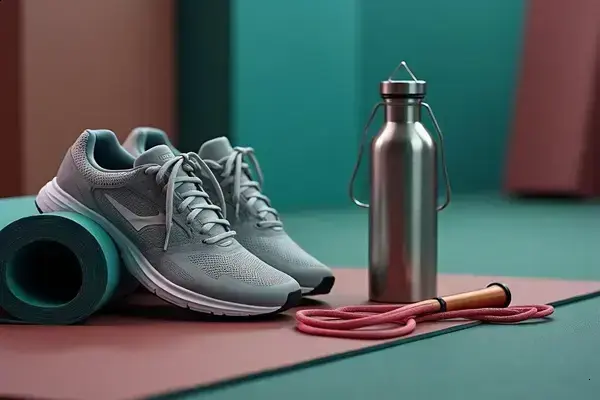
- Comfortable clothing
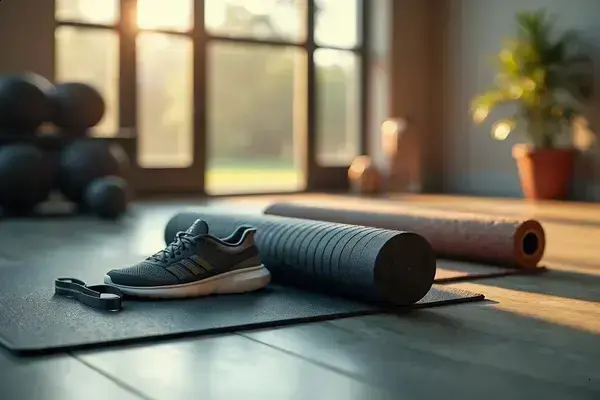
- Mat or towel
- Timer or watch
- Printable routine template
- Water bottle
💡 Pro Tip: Don’t push to the point of pain—a gentle, steady pull is the goal. According to the Mayo Clinic, overstretching can actually lead to injury rather than preventing it.
Picture this scenario: Mike, a weekend cyclist, used to stretch whatever he felt like—sometimes skipping it completely. Once he followed a personalized plan based on his tight hips and hamstrings, his recovery sped up and post-ride soreness dropped dramatically.
If you’re unsure where to begin, consider a brief chat with a physical therapist for tailored advice—especially if you have a past injury or chronic pain. And this is exactly where most people make the most common mistake…
Essential Stretches To Boost Flexibility And Prevent Injuries
How do you know which stretches to choose when you want real results—not just a quick fix that disappears by the next morning? The answer comes down to targeting high-impact muscle groups with proven techniques that both boost flexibility and reduce the chances of sudden pulls or strains.
Essential Stretch List
- Hamstring Stretch: Sit on the floor, one leg extended, and gently lean forward over that leg. Hold for 20–30 seconds per side. This reduces risk of lower back and leg injuries, especially for runners and anyone sitting for long periods.
- Hip Flexor Stretch: Lunge forward with one foot, keeping your core tight. Feel the stretch in your front hip. Hold for 20–30 seconds and switch. Crucial for desk workers combating front-body tightness.
- Cat-Cow Stretch: On all fours, alternate arching and rounding your back. Improves spinal mobility, a favorite among yoga instructors.
- Chest Opener: Stand tall, clasp hands behind you, and gently lift. Great for anyone with tense shoulders or postural pain from computer use.
- Calf Stretch: Facing a wall, step one leg back, press heel down, and feel the stretch in your lower leg. Critical for walkers, hikers, or anyone in standing jobs.
| Stretch | Benefits | When to Use |
|---|---|---|
| Hamstring | Boosts leg mobility; injury prevention | Before/After runs, post-sitting |
| Hip Flexor | Corrects tight hips; relieves lower back | Mid-workday or after cycling |
| Cat-Cow | Improves spine health; reduces stiffness | Morning warm-up, stress relief |
| Chest Opener | Relieves chest/shoulder tightness | Post-work, during screen breaks |
| Calf Stretch | Prevents cramps, increases ankle range | After standing/walking long distances |
💡 Pro Tip: If you’re ever unsure about form, follow the American Physical Therapy Association’s recommendation to move slowly and never bounce in a stretch—this protects both muscles and connective tissue.
In practice: Emily, who works at a standing desk, started adding a hip flexor stretch during her afternoon break. Within a week, she noticed fewer lower back twinges, and her post-work walks felt lighter. Little changes add up quickly.
What actually works might surprise you…
Best Times And Tips To Maximize Results
What’s the best moment to stretch for real, lasting results—not just a temporary sense of relief? It may sound simple, but timing makes a bigger difference than most people realize. You want your muscles ready to move but not overly fatigued. That’s where the smart habits start.
| Time | Why It Works | Best For |
|---|---|---|
| Morning | Gently wakes up joints, boosts circulation | Anyone wanting an energetic start |
| Post-Workout | Muscles are warm—prevents stiffness, speeds recovery | Active individuals, athletes |
| Evening | Soothes tension, primes body for sleep | Desk workers, people with chronic stress |
In practice: Jamie, a freelance writer, started five minutes of stretching before breakfast and another session after evening cardio. Within days, he noticed easier mornings and no more tight calves at bedtime—plus better sleep overall.
💡 Pro Tip: According to the American College of Sports Medicine, stretching consistently—even for short sessions—trumps doing long routines only once a week. Aim for 5–10 minutes per session, most days.
Quick Tips to Maximize Flexibility Gains
- Warm up with gentle movement first—jumping straight into static stretching can lead to pulls or wasted effort.
- Breathe deeply and never rush; smooth, slow moves help relax your body and mind.
- Mix dynamic stretches before activity (like arm swings or hip circles) with static holds afterward for the biggest impact.
- Use props—like foam blocks or stretch straps—for safer, fuller stretches without straining your joints.
- Listen to your own body’s cues. Discomfort is normal, but sharp pain is the signal to stop.
Wondering how to keep it all straight and finally make stretching a seamless habit? That’s where a simple printable routine can change everything…
Printable Stretching Routine Template For Daily Use
Want to finally stick to your stretching goals—without relying on memory or guesswork? A printable stretching routine template makes it easy to stay consistent, track your progress, and adapt to changing needs over time. Here’s exactly how to use one effectively.
- Print or Download Your Template: Choose a format that suits your style. Most templates have room for daily entries, exercise names, sets, and notes.
- Fill In Your Personalized Stretches: Write out your chosen moves (hamstring, hip flexor, cat-cow, etc.) with the number of reps or hold time next to each. Don’t forget to list the target muscle group or joint.
- Set a Weekly Schedule: Mark which days you’ll do each stretch. Consistency is key—even five minutes a day adds up.
- Track Results and Adjust: Note any changes in flexibility, soreness, or injury risk. Update your template whenever your needs shift or you hit a new goal.
- Keep It Visible: Place your template somewhere obvious—a fridge, bathroom mirror, or inside your gym bag. Out of sight really is out of mind.
💡 Pro Tip: According to the National Academy of Sports Medicine, logging your routine helps spot plateaus and keeps you motivated to build a real habit—one day at a time.
- Printable template (digital or paper)
- Pen or digital stylus
- Timer or phone with alarms
- Access to step-by-step stretch instructions
Picture this scenario: Gina, a nurse with an unpredictable schedule, slid her printed template into a clear sleeve and checked off stretches as she went. After three weeks, her tracking chart told a clear story—missed days were rare, key areas of progress stood out, and making tiny daily adjustments was simple.
Small steps, repeated consistently, make the biggest difference over time.
Your Flexibility Gains Start Here
If you take just one thing from this stretching routine guide printable, let it be: a consistent, personalized plan will transform your body more than any single magic move. You’ve learned why stretching matters, how to personalize your routine, which stretches are most effective, and how to actually make it stick with a simple printable template.
Before, stretching might have felt confusing or easy to skip. Now? You’ve got the steps, the science, and a daily template on your side. Every time you follow your routine, you’ll chip away at stiffness and strengthen your resilience. You’re not just keeping up—you’re moving forward.
Which stretch or tip are you adding to your daily routine first? Share your plan in the comments—I’m excited to see what works best for you!

Jordan Blake Harrison is a fitness enthusiast and workout planner dedicated to helping everyday people build consistent exercise habits that actually last. With a passion for practical training plans, honest nutrition guidance, and printable fitness tools, Jordan built this blog to give real people everything they need to get fit and stay motivated — without the overwhelm.