Picture this: it’s a chilly morning, your alarm goes off, and you swear you’ll get up to work out — but the next moment, you’re under the covers, phone in hand, promising you’ll try again tomorrow. Sound familiar?
Staying motivated to exercise isn’t just about willpower. When the initial excitement fades, it can feel like you’re forcing yourself to move. That leaves you feeling guilty, frustrated, or both—and skipping one workout can easily turn into a week, then a month.
Here’s the thing: by the time you finish reading, you’ll have how to stay motivated exercise tips built on real science and everyday experience. You’ll know how to break free from the cycle and finally enjoy staying active. Ready to see what actually makes a difference?
Why Motivation Fades And What You Can Do About It
Ever wonder why your excitement for a new workout plan fades after a couple of weeks — even if you know exercise is good for you? The drop-off is real, and science backs it up. According to the American Psychological Association, motivation naturally wanes when novelty wears off, daily stress climbs, or obstacles stack up. You’re not lazy — this is a well-documented process called ‘motivation extinction.’
Here’s the thing: internal rewards like feeling proud or energized can keep you going far longer than any external push. But if you’re busy, stressed, or juggling family life, it’s so easy to slip out of routine. Framing setbacks as moral failures (I “should” be stronger!) just makes it all harder. Instead, learning the real reasons behind your motivation dips can help you anticipate and manage them — not just feel guilty.
💡 Pro Tip: The Centers for Disease Control and Prevention recommends setting small, specific goals (like ‘walk 15 minutes after lunch’) to spark momentum and reduce mental friction. Simpler targets are more likely to fuel a habit during tough weeks.
Picture this scenario: You sign up for a gym membership with a friend. The first week, energy’s high. By the third week, work deadlines hit and your buddy bails. You miss two days. Suddenly, you’re convincing yourself that ‘starting back next month’ will be easier — classic all-or-nothing thinking.
Common Motivation Killers vs. Effective Fixes
| Motivation Killer | What Happens | Recommended Fix |
|---|---|---|
| Boredom | Routine feels stale, less excitement | Try new class, mix intensity, change location |
| Unrealistic Goals | Burnout, discouragement from little progress | Break into micro-goals, celebrate small wins |
| Disrupted Routine | Travel, work, illness derail schedule | Build flexible backup habits for home/office |
| Lack of Support | Going solo feels lonely, no one to encourage | Join online groups, family check-ins, share goals |
It’s worth noting: while motivational dips are normal, sometimes they signal underlying stress, overtraining, or even depression. If your lack of motivation comes with big mood swings or physical exhaustion, it’s smart to consult a healthcare provider for guidance.
And this is exactly where most people make the most common mistake…
The Role Of Habits In Sustaining Exercise Motivation
Ever ask yourself why some people just keep showing up at the gym — rain or shine — while the rest of us get stuck in the start-stop trap? The secret isn’t raw willpower. It’s well-formed habits. Building small, almost mindless routines is how top athletes and everyday busy folks alike make exercise a part of life, not just a phase. This isn’t just motivational speaker talk; the National Institutes of Health found that habit formation, more than inspiration, predicts if you’ll stick to a workout program over time.
Think about it: when a behavior turns into habit, your brain spends less effort remembering or negotiating. It’s like brushing your teeth—you don’t debate it every night. Instead, your body just moves. But here’s the catch: building an exercise habit takes intention. It’s not magic, but it does demand consistency, patience, and a little strategy along the way.
- Environmental Cues: Keep your workout clothes visible and ready—visual triggers can spark automatic action.
- If-Then Planning: Attach exercise to daily routines (if it’s 6 pm, then it’s time for yoga mat).
- Tiny Wins: Celebrate hitting even the smallest movement goals—momentum matters.
💡 Pro Tip: According to the American College of Sports Medicine, scheduling exercise at the same time each day doubles the odds of forming a lasting workout habit, especially for adults balancing work and family.
Picture this scenario: you decide to do a quick 10-minute stretch every morning before breakfast. The first week feels awkward—you forget twice. But by week three, reaching for the yoga mat feels automatic. No internal battle, no weighing options. Just show up, move, done. That’s habit power in real life.
- Pick a realistic, repeatable time and place for your workouts.
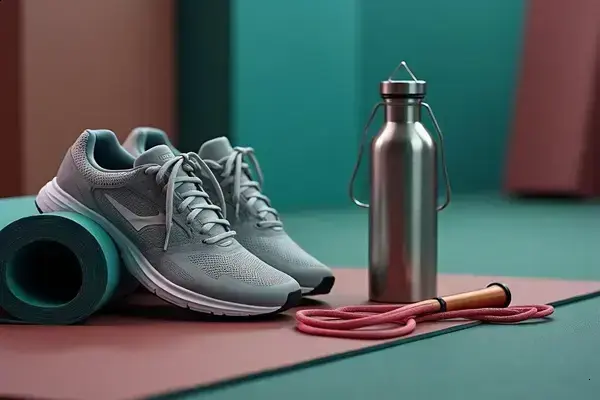
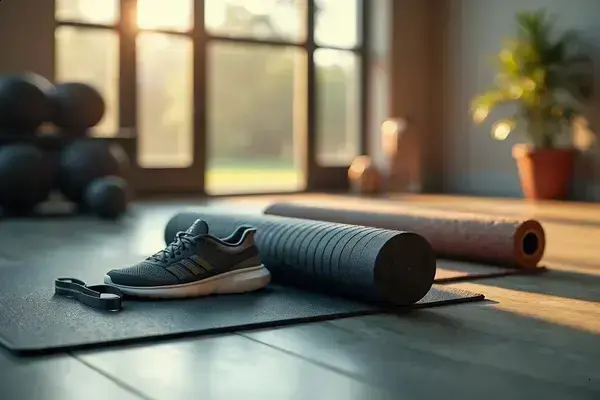
- Make your cues visible—put sneakers by your bed or set a daily reminder.
- Start with easy sessions—small wins fuel bigger results.
- Reward yourself after exercising (simple as crossing a habit tracker or enjoying a podcast).
- Keep going for at least three weeks—the research sweet spot for new habits to stick.
What actually works might surprise you…
Simple Tricks To Make Exercise Feel Effortless
What if working out didn’t feel like a chore? Most people assume exercise always has to be hard, but the truth is there are science-backed strategies for making movement almost—dare I say—effortless. Cue the small tweaks and mindset shifts that actually stick.
- Pair It With Pleasure: Combine exercise with something you already enjoy, like listening to an audiobook or favorite playlist. This is called temptation bundling, and research from the University of Pennsylvania shows it boosts workout consistency.
- Use the Two-Minute Rule: Start with just two minutes of activity. Getting started is often harder than the workout itself. Two minutes feels doable, and once you’re moving, it’s easier to keep going.
- Gamify Your Progress: Apps like Strava or the Apple Fitness rings leverage behavioral nudges—badges, streaks, mini challenges—so your brain chases completion, not just calories burned.
💡 Pro Tip: The Mayo Clinic suggests prepping your workout clothes and water bottle the night before. Visual cues remove morning friction so you roll into movement on autopilot, not sheer discipline.
Picture this scenario: It’s a gray, rainy Monday. You’re dragging after work, but spot your running shoes at the front door and your favorite podcast is already queued up. You think, “I’ll just walk for five minutes.” Thirty minutes later, you’ve finished a sweaty session—without ever deciding to “do a workout.” That’s how environment and routine together lighten the load.
Quick Tricks That Work Right Now
- Pick your “fun” element (music, show, scenery—yes, even a sunset view counts).
- Lay out gear and fill your water bottle the night before.
- Commit to only two minutes. If you want to stop after, that’s fine—but most times, you won’t.
- Track progress with physical cues—think wall calendars, sticker charts, or habit apps.
- Reward yourself—hot showers, a new playlist, or sharing a win with a friend counts as well-earned feedback.
But there’s one detail most people completely overlook until it’s too late…
How To Measure Progress So You Stay Excited
How do you actually know if your effort is paying off—not just on the scale or in the mirror, but in real, motivating ways? If you want exercise to become a lifelong habit, tracking progress is more than numbers. It’s about seeing and feeling the small wins along the way. According to the American Council on Exercise, recording your achievements—even the non-scale victories—keeps motivation higher and relapses lower.
There are plenty of ways to measure progress. And no, you’re not locked into a single approach. Consider what excites you—a visible streak on your calendar, or benchmarks like squatting a heavier weight. You might discover the best feedback is in your energy levels or sleep quality, not just reps and sets.
💡 Pro Tip: Don’t just track “workouts done.” Include how you felt before and after each session. Seeing mood or energy improve—directly alongside your workout—makes the effort tangible and deeply rewarding.
Progress Tracking Methods Side-by-Side
| Method | Best For | Sample Tool |
|---|---|---|
| Habit Streak Calendars | Visual consistency, daily streak motivation | Physical wall calendar, Streaks app (iOS) |
| Performance Metrics | Strength gains, endurance, skill milestones | Notion templates, Strava, Garmin Connect |
| Subjective Journaling | Tracking energy, mood, sleep, soreness | Day One app, Moleskine logbook |
In practice: Imagine you’ve just started a couch-to-5K plan. After each short run, you log your time, write how sharp (or sluggish) you felt, and color a square on your weekly tracker. After a month, you see not only faster runs—but that your overall mood keeps improving. This feedback loop is what turns routine into real excitement.
- Choose the tracking method that fits your lifestyle—digital, analog, or both.
- Update it right after every session, even if you “don’t feel like it.”
- Include at least one metric beyond minutes or miles—think energy, mood, or sleep.
- Celebrate small wins by reviewing streaks or progress graphs each week.
- Adjust your plan when you see a plateau—data’s your ally, not a judge.
And this is exactly where most people make the most common mistake…
Tools And Resources That Actually Help Keep You On Track
Ever wish you had a personal assistant for your fitness journey—something that nudges, tracks, and even celebrates your wins for you? The good news: the right tools can make sticking to your goals much easier and more enjoyable. And you don’t need to be a tech wizard to benefit from them.
From practical fitness apps to classic equipment upgrades, these resources bridge the gap between intention and action. But which ones are actually worth your time (and possibly money)? Let’s break it down so you can find your best fit.
| Resource | Unique Feature | Best For |
|---|---|---|
| Strava (Strava, Inc.) | Detailed route mapping & social motivation | Runners, cyclists, outdoors |
| Fitbit Inspire 3 (Fitbit LLC) | 24/7 heart rate + sleep tracking | All-day movement accountability |
| Habit Nest Journals | Behavior change templates, reflection prompts | Paper-and-pen goal setters |
| Folding Resistance Bands | Space-saving, multi-exercise capability | Small spaces, travel workouts |
⚠️ Important Warning: While digital trackers and fitness devices can be incredibly motivating, they’re not a substitute for medical advice. For anyone with underlying health concerns, always consult your physician before starting a new exercise or data-tracking routine. The American Heart Association stresses this point for people with cardiovascular risk factors.
- Fitness Apps—Ideal for structured plans and progress visualization. Examples: Nike Training Club, MyFitnessPal, or Apple Fitness+.
- Wearables—These provide minute-by-minute motivation via smart notifications, gentle reminders, and trends analysis. Consider options from Garmin or WHOOP in addition to Fitbit.
- Physical Planners/Journals—For those who prefer a break from screens, tools like Passion Planner’s wellness editions help bridge digital and analog tracking.
- Portable Equipment—A high-quality yoga mat or collapsible kettlebell keeps routines flexible and removes the “gym commute” excuse entirely.
In practice: Imagine you’re juggling work, family, and barely have time for fitness. By wearing a Fitbit Inspire 3, you get a gentle nudge to move every hour, plus a celebratory buzz when you hit your target. Or maybe crossing off habits in an old-school journal becomes your daily five-minute reset—the resource simply aligns with your personality and lifestyle.
The right habits in place now make everything easier from here.
Your Motivation Is Now In Motion
If you take just one thing from this guide, let it be: staying motivated to exercise is about building simple habits, tracking your progress, and using tools that fit your life—not forcing yourself with raw willpower. You’ve learned proven how to stay motivated exercise tips that actually work when real life gets busy or tough.
Remember how hard getting started used to feel? Now you’ve got ways to tweak routines, track tiny wins, and make movement a natural part of your day. You’re equipped with practical tricks, apps, and mindset shifts to turn that old start-stop cycle into lasting momentum. That’s real change—one step at a time.
Which of these motivation strategies are you excited to use first? Is it tracking streaks, building new habits, or testing a cool fitness tool? Share your plan in the comments below—we’re cheering for you!

Jordan Blake Harrison is a fitness enthusiast and workout planner dedicated to helping everyday people build consistent exercise habits that actually last. With a passion for practical training plans, honest nutrition guidance, and printable fitness tools, Jordan built this blog to give real people everything they need to get fit and stay motivated — without the overwhelm.