You’re at the grocery store, standing in front of endless shelves — protein powder tubs on one side, whole food options on the other. Which belongs in your cart?
It’s not just about what’s convenient or trendy. Choosing between powders and real foods can spark real anxiety if you care about your energy, muscle, or long-term health. Skipping this decision (or getting it wrong) might mean wasted money, lackluster results, or wondering why nothing’s changing.
By the time you finish reading, you’ll know exactly where protein powder vs whole foods makes sense for your nutrition, energy, and goals — and what’s marketing hype. Ready? Let’s dive in and clear it up straight from the first question.
Understanding Protein: Functions, Needs And Myths
Let’s be honest — the word “protein” shows up everywhere these days. But, what does protein really do for your body, and how much is enough? That’s what keeps people second-guessing every meal and searching for the perfect balance.
Here’s the thing: protein isn’t just for bulking up at the gym. It’s the raw material for muscles, skin, enzymes, hormones, and even the blood that carries oxygen through your veins. According to the National Institutes of Health, adults should aim for 10-35% of total daily calories from protein, but your exact needs depend on age, activity, and health goals.
💡 Pro Tip: Consistent protein intake — spread throughout the day, not crammed into one meal — helps your body build and repair tissue more efficiently. Aim for a protein source at every meal if you want sustainable energy levels and better muscle maintenance.
The Real Numbers: How Much Protein Do You Need?
| Profile | Recommended Intake | Key Consideration |
|---|---|---|
| Sedentary Adult | 0.8 g/kg/day | Basic tissue repair and upkeep |
| Active/Lifting | 1.2–2.0 g/kg/day | Muscle growth and recovery |
| Over 65 yrs | 1.0–1.2 g/kg/day | Age-related muscle loss prevention |
In practice: Picture this scenario — Sam’s training for their first half-marathon. They focus on carbs, but always feel sluggish after long runs. Only after tracking meals did Sam realize they’re short on protein, which left muscles slow to repair and energy low by dinner. Small shifts, like adding eggs at breakfast and Greek yogurt as a snack, made a huge difference.
But let’s bust a myth — more protein doesn’t always mean more strength or faster results. Your body can only use so much before the rest becomes energy (or even fat), not muscle. The Academy of Nutrition and Dietetics highlights that most Americans actually consume enough protein—what matters is its quality and timing.
What actually works might surprise you…
What Sets Protein Powders Apart From Whole Foods
What makes protein powder fundamentally different from whole foods, beyond just convenience or flashy marketing? For many, this question cuts to the heart of fueling smarter — especially when results and nutrition matter each day.
If you break it down, protein powders are what nutritionists call “isolates” or “concentrates.” They’re designed to deliver a high dose of protein with minimal carbs or fat, often in a form that dissolves quickly and digests fast. That’s a perk for athletes after training, but is this really better — or just different — than what your plate can provide?
💡 Pro Tip: Whey isolate, a filtered form of dairy protein, gets absorbed fast and is an industry staple for muscle recovery. According to the International Society of Sports Nutrition, its rapid uptake is especially helpful right after a tough workout, but that speed isn’t always necessary for everyone.
- Ingredients: Most powders have added flavors, sweeteners or thickeners, while whole foods naturally contain fiber, vitamins, and minerals.
- Digestibility: Powders are low-volume, making large protein targets easier without feeling full, yet they often lack the micronutrients present in real food.
- Processing: Powders undergo significant filtration and refining, while whole foods like eggs or fish are minimally processed so you get “the full package.”
In practice: Picture this scenario — Chris is rushing between meetings and relies on a chocolate-flavored protein shake to hit their macros. It’s quick, no prep time. But they notice afternoon energy dips and more hunger at dinner. On days Chris swaps in a tuna sandwich or Greek yogurt bowl, they’re fuller, with steadier energy, thanks to the combo of protein plus slow-digesting carbs and healthy fats.
| Source | Pros | Cons |
|---|---|---|
| Protein Powder | Fast, portable, easy dosing | Highly processed, fewer nutrients |
| Whole Foods | Nutrient-rich, slow release, satiating | Requires prep, perishable, higher volume |
And honestly? This is exactly where most people make the most common mistake…
Benefits Of Whole Foods For Muscle And Health
Ever wonder why seasoned coaches and dietitians so often say, “Get your protein from real food first”? There’s a reason — and it goes way beyond just tradition.
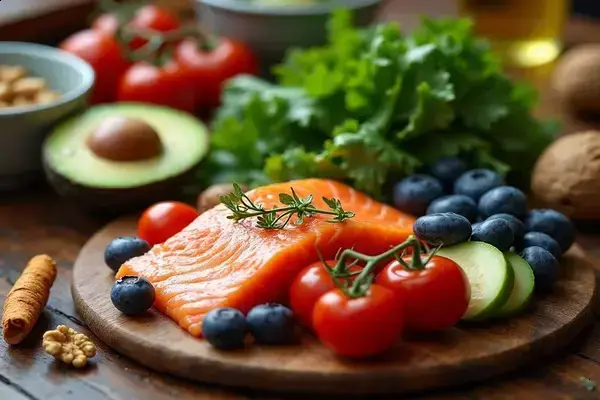
Whole foods like chicken, salmon, eggs, beans, and Greek yogurt do much more than just hit your protein targets. They offer a natural matrix of vitamins, minerals, healthy fats, fiber, and phytonutrients that isolated powders can’t deliver. These extras matter for energy, strength, heart health, and recovery. The American Heart Association highlights that nutrient diversity from whole foods supports overall wellness and long-term health outcomes far better than any single supplement.
- Sustained Satiety: Whole foods contain fiber and intact cell structures, helping you feel full longer and reducing energy crashes.
- Micronutrient Density: Every bite gives you iron, zinc, B vitamins, omega-3s, or antioxidants — all crucial for metabolism, immune function, and muscle repair.
- Synergistic Effects: Nutrients work in combination, not isolation. Think omega-3s in salmon paired with high-quality protein, optimizing inflammation control and muscle synthesis.
In practice: Picture this scenario — Sara’s been focusing on recovery after a running injury. Protein bars were her go-to, but progress was slow and energy unpredictable. Once she swapped in a post-workout meal of quinoa, grilled chicken, leafy greens, and sweet potato, her muscle soreness decreased and focus sharpened — she actually felt satisfied, not just “full.” Real food changed the game.
💡 Pro Tip: Rotate your protein sources weekly — think lentils, eggs, turkey, tofu — to cover a wider range of amino acids and micronutrients. The Academy of Nutrition and Dietetics recommends this approach for maximizing muscle repair and organ health without relying on one type of food.
But here’s a twist most people miss: packing your meals with variety doesn’t mean more work — you just need simple swaps and a bit of planning. What actually works might surprise you…
When To Choose Protein Powder — And When Not To
Are there times when grabbing a protein shake makes more sense than firing up the stove? Absolutely — but context is everything. It’s not just about muscle, but also timing, lifestyle, and your actual nutrient gaps.
- Identify your goal: Are you focused on post-workout recovery, managing a busy schedule, or boosting protein with a restricted diet?
- Assess convenience needs: Do long workdays or irregular hours make meal prep impossible some days?
- Check your total intake: Are you falling short of your daily recommended protein (especially if plant-based or limiting calories)?
- Evaluate digestion: Are you able to tolerate classic shakes, or does dairy disrupt your system? Some powders — like pea, hemp, or collagen — suit sensitive folks better.
- Watch for extra ingredients: Are added sugars, artificial sweeteners, or gums creeping into your diet unintentionally?
- Choose protein powder when you need a quick refill post-intense workout, you’re consistently pressed for time, have high protein demands (athletes, bodybuilders), or struggle to hit targets due to appetite or dietary rules.
- Avoid relying on powder if whole food is available, or if your main meals already cover your daily needs. Remember, over-supplementing can lead to missing out on key micronutrients and sometimes even cause digestive distress.
⚠️ Important Warning: According to the Mayo Clinic, unnecessary or excessive supplement use may burden your kidneys and won’t always translate to performance gains. If you have any medical condition or are planning major dietary changes, it’s wise to consult a registered dietitian or healthcare provider at least once.
In practice: James, juggling a construction job and evening classes, sticks a shaker bottle in his truck most days. A post-lift scoop of protein powder is a lifesaver midweek. But weekends? Home-cooked eggs, grilled fish, and beans cover all his needs with real food — and he feels fuller, longer.
But there’s one detail most owners completely overlook until it’s too late…
Building A Balanced Approach To Everyday Nutrition
If you’re tired of extreme nutrition rules, here’s some relief: balance doesn’t mean following a rigid plan. It’s about creating a rhythm that fits real life — and lets both protein powder and whole foods play their unique part.
- Start with whole foods: Build meals around lean meats, eggs, dairy, legumes, tofu, and whole grains first.
- Spot your gaps: Check if there are days where work, fatigue, or travel make real-food meals tough or protein intake slips below your goal.
- Use protein powder to fill, not replace: Blend a scoop into yogurt, oatmeal, or smoothies for a simple boost when needed — without crowding out nutrient-dense foods.
- Plan for variety: Mix up animal and plant-based proteins weekly to maximize amino acids and micronutrients, as recommended by the Dietary Guidelines for Americans.
- Reflect and adjust: Every week, jot down (or mentally review) what’s working and what isn’t, allowing for tiny tweaks as your needs and schedule shift.
💡 Pro Tip: Batch-cook proteins like chicken breasts, beans, and eggs on Sundays. Having options in the fridge makes healthy choices a breeze on hectic days and makes processed shakes less tempting.
In practice: Imagine this scenario — Maria works demanding shifts and still squeezes in spin classes. Some days, she brings overnight oats topped with berries and seeds to work. Other days, she blends a scoop of protein powder with almond milk before heading out. It’s the mix — not the battle — of both strategies that fuels her best.
| Strategy | Benefit | When to Use |
|---|---|---|
| Whole Foods First | Broad nutrition, sustained energy | Meals at home or easy prep |
| Powder as Backup | Quick protein boost, portable | Busy mornings, travel, post-workout |
Small steps, repeated consistently, make the biggest difference over time.
Your Protein Choices, Simplified
If you take just one thing from this guide, let it be: there’s no single right answer about protein powder vs whole foods—the magic is in knowing what works for your real life. Balanced nutrition starts with quality whole foods, uses protein powders to fill genuine gaps, and puts your needs first every step of the way.
Maybe you started out overwhelmed by jargon and trends. Now, you can look at your meals, see where the quick fix fits (and where it doesn’t), and make choices that truly power you up—without second-guessing yourself every snack or sip.
How do you get most of your protein right now—and are you curious to switch anything up after reading? Share your plan or your questions in the comments below!

Jordan Blake Harrison is a fitness enthusiast and workout planner dedicated to helping everyday people build consistent exercise habits that actually last. With a passion for practical training plans, honest nutrition guidance, and printable fitness tools, Jordan built this blog to give real people everything they need to get fit and stay motivated — without the overwhelm.