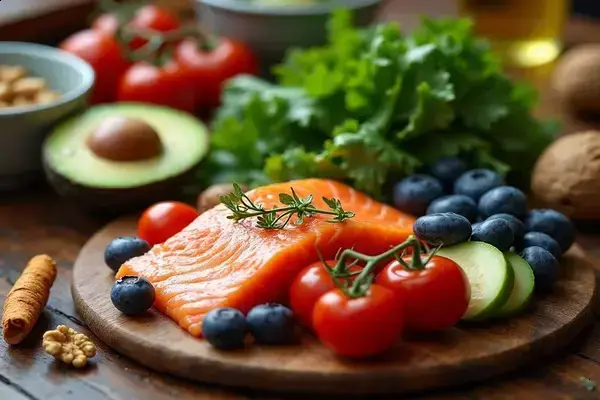
You’re crushing your morning training, but by noon, hunger hits hard—and focus vanishes. Ever wondered if there’s a smarter way to time your meals to boost both performance and results? Here’s the thing: sporadic hunger, recovery slowdowns, and midday crashes aren’t just your imagination. Balancing athletic goals with nutrition isn’t easy—add intermittent fasting to the mix, and the stakes get higher. Miss the mark, and you could sabotage gains, run low on energy, or even risk injury. But get it right, and you might unlock cleaner energy and sharper focus than you thought possible. By the end of this guide, you’ll understand how intermittent fasting fitness athletes can transform their training—for better or for worse. Ready to find out if it fits your game plan? Dive in.
Understanding The Science Behind Intermittent Fasting For Athletes
Why has intermittent fasting become such a hot topic among elite and amateur athletes alike? It’s not just hype — there’s hard science behind the strategy. At its core, intermittent fasting (often called IF) is the intentional cycling between periods of eating and intentional fasting, shifting the body’s focus from constant energy intake to deliberate energy management. But how does this affect muscle, metabolism, and endurance in real-world training?
The truth is: during fasting windows, insulin levels drop while growth hormone and cellular repair mechanisms kick into higher gear. This shift can trigger fat burning and, under the right circumstances, preserve muscle mass. According to a 2023 review published in the Journal of the International Society of Sports Nutrition, strategic fasting may increase mitochondrial efficiency — that’s your muscles’ power plant — potentially improving endurance performance. However, “may” is the keyword here, because results vary widely depending on sport, intensity, and nutritional planning.
💡 Pro Tip: The negative effects of fasting (like sluggish workouts or low blood sugar) are typically most pronounced in the adjustment phase. Registered dietitians at the Academy of Nutrition and Dietetics recommend starting with shorter fasts — 12 to 14 hours — before moving to popular protocols like 16:8 or alternate-day fasting.
- Cellular Adaptation: Fasting activates AMP-activated protein kinase (AMPK), which pushes your body to tap into stored fat for energy during workouts.
- Hormonal Response: Growth hormone release can increase by up to fivefold, but only if workouts and nutrition are balanced.
- Glycogen Use: Your muscles use stored carbohydrates for high-intensity efforts — which means the timing of your meals and workouts matters, especially during fasted cardio.
In practice: Picture this scenario — an experienced marathoner times her fasting window so her long runs occur mid-morning before her first meal. She reports hitting “an energy wall” the first week, but by week three, notes steadier pacing and easier recovery, thanks to better metabolic flexibility. But if you’re a strength athlete or sprinter, your needs (and risks) might be totally different.
| Fasting Protocol | Potential Performance Impact | Recommended For |
|---|---|---|
| 16:8 Method | May support fat loss with minimal muscle loss if protein is adequate | Endurance & team-sport athletes |
| Alternate-Day Fasting | Possible endurance gains, but risk for mild muscle loss | Advanced athletes, only with monitoring |
| 5:2 Diet | Minimal performance loss, easier adherence | Recreational lifters, multi-sport athletes |
But there’s one detail most people completely overlook until it’s too late: the critical importance of aligning your fasting schedule with training—otherwise, you risk subpar performance or even injury as you adapt…
Key Benefits And Potential Performance Gains
So what’s the real upside of intermittent fasting for athletes? It’s not just about cutting calories. The science points to several unique benefits — some obvious, some surprising. Think fat adaptation, better body composition, and even improved metabolic health. But can it actually help you perform better, or just look the part?
- Enhanced Fat Burning: Extended fasts push your body to rely more on stored fat as fuel, especially during low-to-moderate-intensity exercise. This can support lean muscle retention if protein intake remains adequate.
- Reduced Inflammation: Some studies, including research published by the National Institutes of Health, report fasting protocols lower chronic inflammatory markers — potentially shortening recovery windows.
- Improved Insulin Sensitivity: With less frequent eating, your muscles become more efficient at absorbing and storing carbohydrates post-workout — a key factor for both endurance and explosive sports.
| Benefit | Performance Impact | Who Sees Gains? |
|---|---|---|
| Fat Adaptation | Longer lasting energy, especially in endurance events | Marathoners, triathletes |
| Body Composition | Leaner physique, better muscle definition | Competitive lifters, team athletes |
| Recovery | Possible reduction in muscle soreness and downtime | CrossFit, mixed-modal training |
💡 Pro Tip: The International Society of Sports Nutrition suggests timing your workouts near the end of your fasting window. Why? Your body is primed for fat burn, and the post-workout meal gets absorbed more efficiently — fueling both recovery and muscle growth.
In practice: Imagine a cyclist aiming to trim pounds before a summer race season. He adopts a 16:8 fasting window, swapping late-night snacks for an early dinner. Within weeks, he reports steadier energy on long rides, less digestive discomfort, and visible muscle definition without sacrificing performance.
- Choose a fasting protocol that fits your training goals and life schedule.
- Ensure protein intake is adequate (1.4–2.0g/kg/day) to protect muscle mass based on Sports Dietitians Australia recommendations.
- Monitor energy levels and hydration, especially when training intensity ramps up.
- Refuel with a balanced meal after each session; this boosts adaptation and recovery.
- Track your progress — use a simple journal or fitness app to connect meal timing, workouts, and performance outcomes.
But what actually works for one athlete may totally backfire for another — and this is exactly where most people make the most common mistake…
Common Risks And When Fasting Might Backfire
Ever notice how one athlete thrives on intermittent fasting — and another feels wiped out? That’s because fasting isn’t risk-free, especially when you’re pushing your body’s limits in training or competition. If you’re wondering where those risks actually show up, here’s what most active people, coaches, and even nutritionists agree on: timing, intensity, and existing health conditions matter more than any one-size-fits-all approach.
- Energy Slumps: Training fasted drains glycogen stores faster, which can lead to sluggish, low-quality workouts — or even dizziness during high-intensity sessions.
- Impaired Recovery: Insufficient post-workout nutrition (especially protein and carbohydrates) slows muscle repair. The Academy of Nutrition and Dietetics stresses eating within 45 minutes post-exercise for optimal results, a window that can be tricky with strict fasting schedules.
- Hormonal Changes: Especially among female athletes, extended fasting periods may disrupt menstrual cycles and impair hormone balance, as documented in research by the Female Athlete Triad Coalition.
- Risk of Disordered Eating: For some, rigid fasting windows can trigger unhealthy habits — obsessing over meal timing instead of overall nutrition quality.
⚠️ Important Warning: Any athlete with chronic health conditions (like diabetes, thyroid issues, or a history of disordered eating) should consult a healthcare professional before trying fasting. Long-term health always trumps quick results.
In practice: Picture this scenario — a young collegiate rower adopts a 20:4 fasting protocol after seeing teammates drop a few pounds. Within two weeks, she notices mood swings, headaches, and sore muscles lingering long after the workout. Her coach flags the pattern and, after a review by the team dietitian, she shifts to a gentler 14:10 schedule, regains her energy, and sees performance rebound.
| Risk | Who’s Most Prone? | Potential Solution |
|---|---|---|
| Energy Crash | HIIT athletes, sprinters, those with low body fat | Shorten fasting windows, add pre-workout carbs |
| Slow Recovery | Powerlifters, endurance athletes | Prioritize post-session protein, track soreness |
| Hormone Disruption | Women, adolescents | Lengthen eating window, monitor cycles |
And this is exactly where most people make the most common mistake: they ignore these signs in pursuit of faster results, and miss out on long-term progress entirely…
How To Safely Integrate Fasting Into Your Training Routine
Integrating intermittent fasting into an athletic lifestyle isn’t as simple as skipping breakfast. To do it safely, you need a plan that syncs your fasting window with your training demands — and adapts as your season, goals, and recovery needs change. So, how do you avoid the most common pitfalls and really make this protocol work for you?
- Identify Your Training Peaks: Start by mapping out your most intense workouts or competition days each week. Avoid starting a strict fasting window right before big efforts — your body will need extra fuel.
- Choose the Right Fasting Protocol: Consider common formats like 14:10 (14 hours fasting, 10 hours eating) or 16:8 for a gentle start. Think about your existing nutrition routine and travel schedule.
- Plan Meals Around Training: Schedule your main meal within an hour post-workout if possible. This is when muscles are primed to absorb nutrients, so your recovery window matters.
- Monitor Biofeedback: Track energy levels, mood, sleep quality, and any early warning signs like lingering soreness or mood swings. Adjust your approach — not just your macros — if you notice problems.
- Hydrate Aggressively: Fasting athletes are at risk for electrolyte imbalances. Use unflavored electrolyte tablets or mineral water during fasting windows to stay ahead of cramps or fogginess.
- Training log (physical or digital)
- Meal prep containers
- Water bottle/electrolyte supplement
- Heart rate monitor or fitness tracker (optional)
- Simple biofeedback journal
💡 Pro Tip: The American College of Sports Medicine recommends testing new nutrition strategies during lower-stakes training weeks first. Make adjustments gradually — not the night before a race or an important scrimmage.
In practice: Think of a weekend warrior triathlete who tries fasting for the first time during off-season base training. Instead of ditching breakfast cold turkey, she shifts her first meal back by an hour every few days, keeping a journal on energy and performance. Within a month, she finds her sweet spot — strong enough for swim intervals, never running on empty.
| Step | Time Investment | Why It Matters |
|---|---|---|
| Map Training Peaks | 15 min/week | Avoids fasting before high-intensity sessions |
| Update Fasting Schedule | 5 min/week | Keeps routine synced to life and sport |
| Prep Meals In Advance | 1 hour/week | Ensures recovery nutrition is ready |
| Track Biofeedback | 2 min/day | Catches warning signs early |
But there’s one more layer to this: how the world’s top athletes actually fine-tune fasting for their unique sport and physiology…
Expert Tips And Real-Life Stories From Athletes Who Tried It
You know what’s missing from most blogs about intermittent fasting? Real stories and hard-won wisdom from people who’ve actually faced the highs and lows. Because while science matters, so does hearing exactly how athletes — from marathoners to pro football players — tweak fasting for their lives and goals.
- Start Conservatively: Multiple elite coaches recommend easing in with a 12-hour overnight fast and tracking how you feel before jumping to 16:8. Quick radical changes almost always backfire, especially during competition season.
- Pair Fasting with Deload Weeks: According to the National Strength and Conditioning Association, athletes reported the smoothest adjustment to fasting when they began protocols in lighter-volume training phases — not during heavy prepping or back-to-back race blocks.
- Rethink Recovery: Many found that adding an extra electrolyte supplement or a post-workout shake (even if technically ending the fast) dramatically improved energy and soreness scores. Recovery nutrition isn’t a luxury; it’s part of getting results.
💡 Pro Tip: If you hit a plateau or your mood tanks, don’t just “hold out longer.” Four-time national masters swimmer Ally B. says her turning point was logging energy, sleep, and focus every morning — then adjusting her fasting window by just 30 minutes when numbers dipped. Small tweaks trump stubbornness every time.
In practice: Picture this scenario — a competitive powerlifter named Tony tries fasting to make weight for a meet. He documents fluctuations in both mood and lifts. Early on, Tony’s squats felt sluggish, but after shifting his eating window to end 60 minutes after training, PRs returned and post-training inflammation dropped. Tony’s takeaway: “The right timing makes all the difference. Listen to your data, not the crowd.”
| Athlete | Protocol Used | Personal Outcome |
|---|---|---|
| Ally B. (Swim) | 14:10, logbook tracked | Improved energy, fewer afternoon crashes |
| Tony G. (Powerlifting) | 16:8, window ends post-lift | Regained PRs, less soreness |
| Lila V. (Triathlon) | Flexible alternate-day | More consistency, no lost speed |
The right habits in place now make everything easier from here. Take inspiration from these stories — your smartest moves are always the ones matched to your own body and sport.
Your Training, Your Own Terms
If you take just one thing from this guide, let it be: the smartest approach to intermittent fasting fitness athletes is the one that matches your body, your sport, and your real life. You’ve learned the science, weighed the benefits and risks, and picked up real-life advice from athletes who’ve actually been there.
Before, it might’ve felt confusing—should you skip breakfast, push harder, or just ignore fasting altogether? Now you know: you can experiment, tweak, and figure out what works with your unique schedule and goals. Don’t stress perfection. Small changes and real feedback win every time. You’re in control.
What’s your fasting experiment going to look like, or what’s the one question still on your mind? Share your story or question in the comments below—let’s figure this out together!

Jordan Blake Harrison is a fitness enthusiast and workout planner dedicated to helping everyday people build consistent exercise habits that actually last. With a passion for practical training plans, honest nutrition guidance, and printable fitness tools, Jordan built this blog to give real people everything they need to get fit and stay motivated — without the overwhelm.