You know that moment when you open the fridge at 7 pm, tired and already dreading the scale tomorrow? Choosing dinner feels like a test you’d rather skip. Even with the best intentions, it’s easy to wonder—can anything really taste good and help with weight loss?
Here’s the thing: unhealthy dinner habits can sneak up on you. Reaching for convenience food or overdoing portions at night isn’t just a culinary setback, it’s a recipe for slow progress, stubborn cravings, and that frustrating sense of taking two steps back for every one forward.
By the time you finish this article, you’ll have a list of genuinely tasty, practical healthy dinner ideas for weight loss—no bland salads or endless grilled chicken. Why settle for boring or restrictive? Come see how dinner can actually make hitting your goals easier—and a whole lot more delicious.
Why Your Dinner Choices Matter For Weight Loss
It’s easy to underestimate how much your evening meal impacts your wellness journey—especially when you’re aiming for steady, healthy weight loss. Many people assume that eating “lighter” during the day and eating bigger at night won’t make a difference. The truth is: what you put on your plate for dinner can deeply influence metabolism, energy, and even sleep quality.
Ever notice how a heavy, late-night meal leaves you feeling sluggish the next morning? That’s not your imagination. According to the Academy of Nutrition and Dietetics, meals with excessive calories, saturated fat, or refined carbs late in the day are linked with higher weight gain risk and sluggish metabolic response. Timing and content matter.
💡 Pro Tip: Try keeping your largest meal for earlier in the day. Consuming a nutrient-rich but balanced dinner several hours before bed can support your body’s natural overnight repair processes, according to research from Harvard T.H. Chan School of Public Health.
So why is dinner so pivotal for fat loss? Two words: hormone regulation. When you eat a big, heavy meal at night, your insulin levels spike right before your body needs rest. When that happens, fat burning gets suppressed—making it harder to meet your goals, even if you eat well all day!
In practice: imagine someone named Jordan. They diligently tracked their breakfast and lunch, but fell into the habit of late-night pasta or pizza. Over time, despite their best efforts in the morning, the scale barely budged. Once they focused on lighter, balanced dinners—lean protein, veggies, complex carbs—the difference was clear within weeks.
| Dinner Type | Impact On Weight Loss | Best For |
|---|---|---|
| Heavy/High-Calorie | Slows fat burning, disrupts sleep | Occasional treat, not daily |
| Balanced/Light | Supports metabolism & overnight recovery | Consistent, sustainable progress |
| Skipped | May cause overeating next day, messes with hormones | Not recommended for most |
Picture this scenario: One client swapped their nightly takeout for a simple grilled salmon salad. Not only did cravings decrease, but energy levels shot up—and the numbers on the scale started trending in the right direction.
But there’s one detail most people overlook until it’s too late—how your dinner choices quietly shape everything from your cravings to your sleep quality, night after night…
What To Look For In A Light, Healthy Dinner
What makes one dinner a true friend to weight loss—while another quietly sabotages your hard work? The answer’s more practical than most people think. You’re not just counting calories. You’re building a plate that actually supports your body at night, helping you wake up nourished, not groggy.
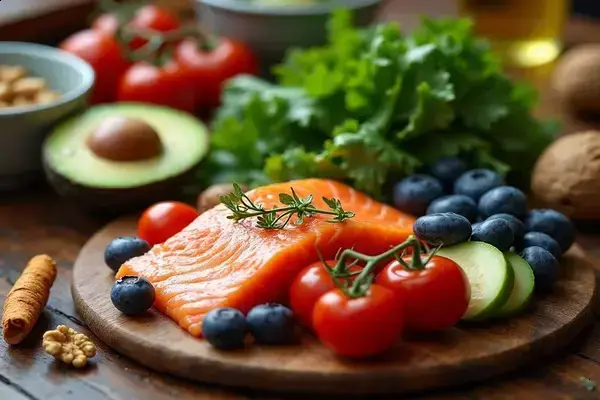
According to the Mayo Clinic, a light, healthy dinner should focus on lean protein, lots of non-starchy vegetables, and a small serving of complex carbs. Why? This combo keeps you full without weighing you down—and helps balance your blood sugar as you sleep.
- Lean protein: Think grilled chicken breast, turkey, cod, or tofu. Protein aids muscle repair and keeps hunger at bay longer.
- Non-starchy veggies: Broccoli, spinach, zucchini, asparagus—these load you up on nutrients for almost no calories.
- Healthy fats: Avocado, a drizzle of olive oil, or a few nuts add richness, making your meal satisfying without blowing your calorie budget.
- Complex carbs: Quinoa, sweet potato, or farro—these slow-burning carbs give energy with a smaller blood sugar spike than white bread or rice.
💡 Pro Tip: Aim to fill half your plate with vegetables, one quarter with a lean protein, and the last quarter with whole grains or fiber-rich carbs. This visual guide from the USDA’s MyPlate makes balanced choices nearly effortless—even when you’re tired.
Picture this scenario: It’s Thursday night, you’re hungry and want something comforting. Instead of defaulting to a giant bowl of pasta, you prep grilled salmon over a bed of roasted Brussels sprouts and a scoop of brown rice. After dinner, you feel satisfied—not stuffed—and wake up with more energy.
| Component | Healthy Example | To Limit |
|---|---|---|
| Protein | Skinless chicken, tofu, cod | Fried meats, processed deli meats |
| Veggies | Spinach, broccoli, peppers | Creamed veggies, fried potatoes |
| Carbs | Quinoa, sweet potato, wild rice | White bread, regular pasta |
And this is exactly where most people make the most common mistake—thinking a “light” dinner means skimping so much that hunger strikes later, leading to late-night snacking…
Delicious Low-Calorie Dinner Recipes That Satisfy
Can a low-calorie dinner really leave you feeling full—maybe even excited for more? Absolutely. The secret isn’t some fad, it’s combining flavors, fiber, and smart protein so you actually look forward to meal time.
According to the American Heart Association, building your dinner around vegetables and lean protein helps reduce calorie intake without sacrificing satisfaction. The best part: you can still enjoy variety, bold tastes, and comfort food vibes on a lighter plate.
- Lemon Herb Chicken & Veggie Sheet Pan
Prep time: 10 min. Bake: 25 min.
Arrange chicken breast, zucchini, bell pepper, and red onion on a baking sheet. Toss with olive oil, lemon slices, parsley, salt, and pepper. Bake at 400°F until golden. - Spicy Shrimp Cauliflower “Fried Rice”
Prep time: 8 min. Cook: 12 min.
Sauté shrimp and veggies in sesame oil. Add riced cauliflower, soy sauce, garlic, and a hint of chili. Heat through—flavor bomb, almost zero guilt. - Roasted Sweet Potato & Black Bean Bowl
Prep time: 15 min. Bake: 20 min.
Roast sweet potato cubes, then toss with black beans, corn, and a handful of wilted spinach. Top with cumin-lime yogurt sauce. - Salmon With Dill Yogurt & Greens
Prep time: 5 min. Cook: 15 min.
Pan-sear a salmon fillet. Serve over baby greens with a dollop of Greek yogurt mixed with fresh dill and lemon zest. - Turkey-Zucchini Skillet
Prep time: 10 min. Cook: 20 min.
Sauté ground turkey with zucchini, tomato, garlic, and basil. Finish with a sprinkle of parmesan—instant Italian comfort, no heavy pasta.
- Chicken breast
- Salmon fillet
- Shrimp
- Riced cauliflower
- Zucchini
- Sweet potatoes
- Greek yogurt
- Black beans
- Seasonings and herbs
💡 Pro Tip: Bulk up any dinner with a double portion of non-starchy veggies—like broccoli, green beans, or roasted peppers. Not only does this boost nutrients, but research from the Cleveland Clinic shows fiber-packed meals lead to longer satiety.
In practice: a reader once swapped their late-night mac & cheese for the lemon chicken sheet pan. At first, they were skeptical, but after a week they were shocked—cravings calmed, sleep improved, and dinner felt genuinely enjoyable.
But what actually works to make every meal pop with flavor—without piling on empty calories or bland sauces?
Simple Ways To Add Flavor Without Extra Calories
How do you make healthy dinners exciting—without sabotaging your hard work with creamy sauces or heaps of cheese? It’s simpler than you think: flavor doesn’t have to equal calories.
- Fresh Herbs: Basil, cilantro, parsley, and mint bring brightness without any extra fat or sugar. Tear them over veggies or fish just before serving for a punch of flavor.
- Citrus Zest & Juice: Lemon, lime, or orange zest instantly lift a dish. Squeeze juice over roasted veggies or grilled chicken to add tang with zero guilt.
- Spices & Seasonings: Smoked paprika, cumin, cayenne, curry powder, and mustard add depth. Even a sprinkle of cinnamon on sweet potato makes a difference.
- Fermented Flavors: Low-sodium soy sauce, vinegar, pickled veggies, or a dash of hot sauce turn a basic meal into something bold, fast.
- Aromatics: Garlic, ginger, shallots, and scallions sautéed with water or a tiny bit of olive oil fill your kitchen with cozy smells and your taste buds with satisfaction.
💡 Pro Tip: Store-bought sauces can be loaded with sugar and sodium. Make your own vinaigrette using balsamic vinegar, Dijon mustard, and fresh herbs blended together—delicious, fast, and waistline-friendly. The American Diabetes Association recommends flavoring with herbs and acidic ingredients, not creams.
Picture this scenario: You roast a tray of cauliflower and carrots, toss them with lemon zest, fresh thyme, and a tiny dash of smoked paprika. The aroma alone makes you hungry. No cheese, no heavy dressing. You still want seconds.
| Flavor Booster | Calories | Best With |
|---|---|---|
| Lemon or lime zest | 0 | Grilled fish, greens, roasted veggies |
| Fresh basil | 1 per tablespoon | Tomato salads, chicken, eggs |
| Curry powder | 7 per teaspoon | Cauliflower, lentils, chicken |
| Chili flakes | 6 per teaspoon | Stir-fried veggies, shrimp, soups |
What actually works might surprise you—seasoned, satisfying meals are just a few pantry staples away, proving you don’t need to sacrifice taste for your weight goals…
How To Build A Sustainable Dinner Routine
Ever notice how one busy week can completely derail your healthy eating progress? Creating a sustainable dinner routine is really about making smart decisions automatic—so even on your hardest days, you’ve got a backup plan.
- Set a Consistent Dinner Time
Pick a window—like 6:30 to 8 pm—and stick to it most nights. According to the National Institutes of Health, regular mealtimes regulate appetite and help manage cravings. - Plan Simple Meals Ahead
Each weekend, jot down five dinner ideas you know you enjoy. Include at least one no-cook meal (like a protein salad) in case you’re exhausted. - Prep Ingredients in Advance
Chop veggies, pre-cook grains, or marinate proteins when you have downtime. This turns a 45-minute recipe into a painless 15-minute dinner. - Stock Healthy Staples
Keep your fridge and pantry ready with items like lean chicken, canned beans, fresh greens, brown rice, and low-sodium broth. This beats the temptation to order takeout. - Embrace Batch Cooking
Double recipes and freeze half. Having healthy leftovers on hand is the ultimate insurance policy against last-minute pizza delivery.
💡 Pro Tip: Set gentle reminders on your phone for meal planning and prep. Over time, your dinner routine becomes as effortless as brushing your teeth. The Academy of Nutrition and Dietetics emphasizes that consistency beats perfection every time.
- Meal prep containers
- Sticky notes or a planning app
- Olive oil & spices
- Lean proteins (chicken, tofu, fish)
- Fresh or frozen vegetables
- Whole grains (quinoa, brown rice)
In practice: Picture this scenario—a busy parent named Danielle makes a Sunday habit of portioning out veggies, grilling extra chicken, and jotting meal ideas on her fridge. Tuesday gets crazy, but she’s able to toss together a complete meal in fifteen minutes without stress or extra expense. That’s the magic of a real routine.
| Routine Habit | Result | Best For |
|---|---|---|
| Consistent timing | Stable hunger, better sleep | Anyone with a busy schedule |
| Meal prep | Faster healthy dinners | Parents, students, shift workers |
| Batch cooking | Less decision fatigue | Time-strapped individuals |
Once this is in place, the rest of the routine falls into place naturally.
Your Healthy Dinners Start Now
You found the truth on why dinner matters, what to look for on your plate, and how to make meals flavorful, satisfying, and simple. If you take just one thing from this guide, let it be: building healthy dinner ideas for weight loss is all about balancing satisfaction, routine, and smart choices—night after night.
Maybe before, dinner meant a guessing game or late-night regret. Now you know how to prep, season, and plan real meals that fit your life and help you feel great. Cooking light doesn’t mean bland; sustainable habits truly do stack up over time. You can do this—step by step, one honest meal at a time.
Which healthy dinner idea or strategy are you most excited to try this week? Share your thoughts or your go-to recipe in the comments below. Let’s inspire each other!

Jordan Blake Harrison is a fitness enthusiast and workout planner dedicated to helping everyday people build consistent exercise habits that actually last. With a passion for practical training plans, honest nutrition guidance, and printable fitness tools, Jordan built this blog to give real people everything they need to get fit and stay motivated — without the overwhelm.