You know that awkward moment at the gym—standing in front of the chest press, not sure if you’re even using the right muscles? That’s more common than you think, especially for anyone just starting out with upper body training.
Starting a chest workout routine can feel intimidating and, honestly, a bit overwhelming. If you pick the wrong exercises or skip the basics, you might end up with poor results (or even a sore shoulder that lingers for days). It’s frustrating watching others progress while you’re stuck, doubting if you’re doing it right.
By the end of this guide, you’ll know exactly which moves will jumpstart your strength, how to avoid rookie mistakes, and—you guessed it—how to build real upper body muscle with a chest workout for beginners. Ready to make that first set actually count? Let’s dive into what matters most.
Why Chest Strength Sets The Foundation For Your Upper Body
What makes chest strength so foundational to everything you do with your upper body? It’s more than just looking good in a T-shirt—chest muscle (mainly the pectoralis major and minor) is crucial for nearly every push and lift, from everyday tasks to athletic power. The truth is: when you build up your chest, you’re also laying down support for your shoulders, arms, and even your posture.
Think about the last time you pushed a heavy door, lifted groceries from the trunk, or tried a new sport—each move relied quietly on your chest strength. Many beginners don’t realize it, but weak pecs can make even small daily actions harder and strain your joints and lower back as you try to compensate.
💡 Pro Tip: According to the American Council on Exercise (ACE), chest exercises like the push-up and chest press help stabilize the shoulder joint and improve functional strength for real-world movements. Prioritizing the chest early may reduce your risk of future injury.
Core Benefits of Chest Strength
- Push Power: Enables stronger push movements (think push-ups, bench press, opening doors).
- Stability: Improves control of your shoulders and upper spine, supporting good posture all day.
- Symmetry: Balances muscle development to prevent overcompensation by arms or back.
In practice: Picture this scenario—a beginner heads to the gym focused on biceps curls, skipping chest work. After a month, they hit a plateau. Their pushing strength is lagging, and even daily tasks like carrying boxes feel awkward. But once they add two chest exercises to their routine, their strength overall jumps, posture straightens, and their lifts finally progress.
| Chest Muscle | Primary Function | Key Everyday Use |
|---|---|---|
| Pectoralis Major | Arm flexion, adduction, and rotation | Pushing a shopping cart |
| Pectoralis Minor | Stabilizes shoulder blade | Reaching up to a shelf |
| Serratus Anterior | Scapula movement | Pushing open a heavy door |
But here’s what actually surprises most beginners—the chest is your base for almost every compound upper body move. Even if your goal is toned arms or a strong back, skip the chest and everything else struggles to catch up…
Essential Equipment And How To Set Up Safely
You’re determined to start training your chest, but the first real question is — what gear do you actually need? The truth is, you don’t have to outfit a full gym to get great results, but a few essentials can make all the difference for comfort, safety, and long-term progress. Miss one, and your experience might go sideways fast.
- Dumbbells: The classic. Go for adjustable if you’re short on space or want room to progress.
- Flat bench: Crucial for chest presses, flyes, and supporting proper form. No bench? A sturdy coffee table can do for absolute beginners, but nothing beats gym-grade stability.
- Resistance bands: Incredibly versatile and joint-friendly. Great for both warm-ups and burning out at the end of a session.
- Yoga mat: For comfort during floor moves like push-ups or band work, especially if your home floors are hard or slippery.
- Spotter arms or safety rack (if using a barbell): Not required for beginners mostly using dumbbells — but if you level up, safety rails are a must for solo training.
⚠️ Important Warning: Before your very first session, always check that your bench is locked and doesn’t wobble, weights are securely tightened, and your workout area is clear of obstacles. According to the National Strength and Conditioning Association (NSCA), most beginner injuries happen not from heavy lifting but from tripping or slipping in cluttered spaces.
How To Set Up A Safe Training Zone
- Choose a flat, non-slip surface — wood or mat is best.
- Place your bench so you have at least arm’s length space on all sides.
- Line up dumbbells or bands within easy reach, but not where you could step on them mid-set.
- Check for dangling wires, loose rugs, or anything you could trip over (seriously, it happens).
- Have a water bottle and towel nearby, but keep them off your actual training area.
In practice: Imagine a beginner setting up in their living room—one dumbbell under the sofa, a chair in the way, TV cords lying loose. First set in, their foot slips, and the session ends before it really begins. Just five minutes spent clearing and organizing would’ve made all the difference.
| Equipment | Why It Matters | Beginner Tip |
|---|---|---|
| Dumbbells | Modifiable weight, low injury risk | Start light, focus on slow reps |
| Resistance Bands | Great for warm-up and joint care | Anchor them securely every time |
| Flat Bench | Supports your back and form | Double-check it won’t tip over |
And this is exactly where most people make the most common mistake—skipping the setup, only to regret it when something rolls underfoot mid-workout…
Beginner Chest Exercises For Real Results
Ever wondered which chest exercises actually give you results—without leaving you lost or risking an injury? You don’t need fancy gym tech to start seeing and feeling progress. Strength comes from the classic movements that work for almost everyone, and yes, form is everything.
- Push-Ups: Start with your hands under shoulders, body straight as a plank. Lower until elbows hit 90 degrees, then press up. Modify on knees if needed.
- Dumbbell Chest Press: With a dumbbell in each hand, lie flat. Press up until arms are almost straight, lower slowly. Pause at the bottom for muscle control and safety.
- Incline Chest Press: Same movement as above, but on an inclined bench (15-30 degrees). This targets upper chest, giving you that rounded look up top.
- Chest Flyes: Hold dumbbells together above your chest, arms nearly straight. Open arms wide, maintaining a gentle bend, then return to start position. Avoid banging weights at the top.
- Resistance Band Press: Anchor a band behind you, grab with both hands. Press forward, fully extending arms. It’s great if you have limited equipment or need to warm up the joints.
In practice: Picture this scenario—a beginner cycles through just push-ups and machine presses for weeks. Progress stalls. They add chest flyes for a new stretch and slight soreness (the good kind), and suddenly, muscle development picks up again. It’s not magic; it’s muscle activation and variety.
💡 Pro Tip: According to American College of Sports Medicine guidelines, beginners should start with 2–3 sets of 8–12 reps for each chest move, twice per week, giving muscles 48 hours of recovery between sessions for optimal growth.
| Exercise | Main Benefit | Good For |
|---|---|---|
| Push-Ups | Bodyweight control, core stability | Home workouts, all levels |
| Dumbbell Chest Press | Strength, muscle balance | Beginners, progressive overload |
| Chest Flyes | Stretch, muscle activation | Tight pecs, muscle shape |
What actually works might surprise you—because it’s almost always the fundamentals, done with strict, slow form and just enough challenge to keep you growing…
How To Structure Your First Chest Workout Routine
Worried about picking the “right” chest workout plan? You’re not alone. Most beginners get stuck deciding how many sets, which moves go first, how long to rest—there’s a real science to creating a routine that works, but it’s much simpler when you break it down step by step.
- Set Your Frequency: Start with two chest-focused sessions per week. Give yourself at least 48 hours between for optimal muscle recovery and growth.
- Choose Your Exercises: Mix 2-3 moves from the basics—push-ups, dumbbell presses, flyes, and resistance band presses. Aim for full muscle coverage.
- Plan Your Sets and Reps: As recommended by the American College of Sports Medicine, 2–3 sets of 8–12 reps for each exercise is the sweet spot for beginners.
- Organize the Order: Place compound movements (like presses) first. Finish with isolated moves (like flyes or band presses) to thoroughly target your pecs without burning out early.
- Rest and Recovery: Schedule 60–90 seconds between each set to let your muscles recharge without cooling off completely.
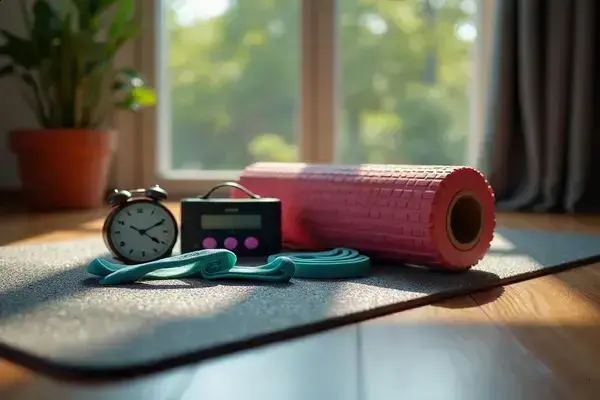
- Dumbbells
- Resistance bands
- Bench or sturdy surface
- Yoga mat (optional)
- Stopwatch or timer
💡 Pro Tip: Prep your workout space and equipment before starting. Having everything set, from your weights to your water bottle, keeps you focused and reduces interruptions—a tip straight from the guidelines of the National Strength and Conditioning Association (NSCA).
In practice: Imagine setting out your mat, resistance bands ready, timer at hand. You hit the prescribed sets and reps, rest on schedule, and actually finish fresh—not fried. Not only do you recover faster, but your confidence (and strength) grows each week until bumping up the challenge feels natural, not scary.
| Key Element | Beginner Recommendation | Why It Matters |
|---|---|---|
| Sessions/Week | 2 | Prevents burnout; boosts progress |
| Exercises/Session | 2–3 | Ensures coverage without overload |
| Reps/Sets | 8–12 reps, 2–3 sets | Best range for strength + growth |
| Rest Between Sets | 60–90 sec | Reduces fatigue, keeps intensity up |
And this is exactly where most people make the most common mistake—they skip progression, repeating the same weights for weeks on end and wondering why nothing changes…
Common Mistakes And How To Avoid Plateaus
Think you’re doing everything right — but not seeing results? That’s usually when a hidden mistake creeps in and stalls progress. Plateaus are frustrating, but most beginners hit them for reasons that are easy to fix once you know what to watch for.
- Doing the same routine for too long: Muscles quickly adapt, and repeating identical sets each week makes strength gains grind to a halt.
- Poor exercise form: Rushing reps or cutting range of motion means you’re cheating yourself of results and risking shoulder strain.
- Ignoring progressive overload: If you aren’t adding weight, extra reps, or slowing your tempo over time, your body stops responding.
- Skipping recovery: Training chest too often, or never scheduling rest, will leave you sore, tired, and frustrated instead of getting stronger.
- Neglecting nutrition: Without enough quality protein and calories, your muscles can’t rebuild — according to the Academy of Nutrition and Dietetics, nutrition is just as important as training.
⚠️ Important Warning: If you experience joint pain, persistent fatigue, or loss of motivation, don’t just push harder. The National Strength and Conditioning Association (NSCA) recommends consulting a certified trainer or healthcare provider before making major changes to your routine.
In practice: Picture this scenario:
After five weeks, you notice your push-ups haven’t budged past 10 reps. You check your log — same workout every time. Once you swap in a new exercise (like incline chest presses), increase your rest day, and up your protein a bit, the plateau vanishes almost overnight. A few little tweaks can flip the switch between stalling and making noticeable progress.
| Mistake | What Happens | How To Fix |
|---|---|---|
| Always same moves | Body adapts, slow gains | Rotate exercises every 4 weeks |
| Poor form | Risk of injury, less muscle work | Video yourself or get feedback |
| No progression | Stagnant strength | Add reps, use heavier weights, or slower tempo |
| Insufficient rest | Constant soreness, low energy | Schedule 1–2 days for muscle recovery |
Once this is in place, the rest of the routine falls into place naturally.
Your Stronger Chest Starts Here
If you take just one thing from this guide, let it be: building upper body strength really does start with smart, progressive chest workouts—no fancy tools or years of experience required. Focus on good form, the right routine, and mixing things up to avoid plateaus. Your chest workout for beginners can set you up for real results.
Maybe you felt uncertain or unmotivated before—unsure if you were wasting time or risking injury. Now you know how to set up safely, pick proven exercises, and avoid beginner mistakes. You’re not just winging it anymore. You’re training with skill and confidence. Every rep counts, and it shows.
Which change are you most excited to make in your next chest day—trying a new move or tweaking your routine? Share your thoughts below. Let’s grow together!
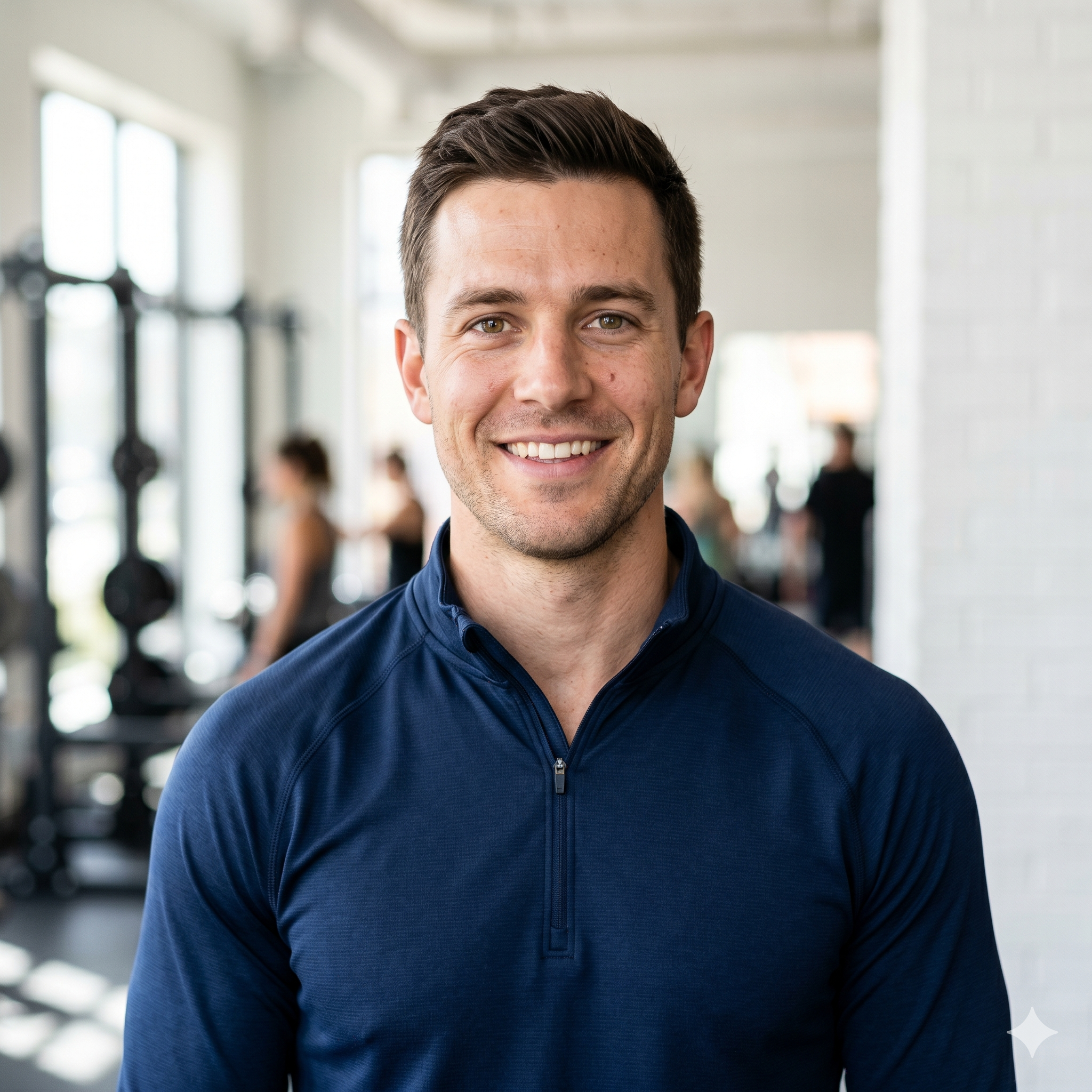
Jordan Blake Harrison is a fitness enthusiast and workout planner dedicated to helping everyday people build consistent exercise habits that actually last. With a passion for practical training plans, honest nutrition guidance, and printable fitness tools, Jordan built this blog to give real people everything they need to get fit and stay motivated — without the overwhelm.