Your back is working even when you’re not thinking about it—carrying groceries, picking up your kid, or just holding your posture through a long day. Funny how it takes a sore muscle or nagging pain to remind you it’s there. If you’ve ever tried random back workouts from social media, only to wake up stiff or disappointed—or worse, feeling like nothing changed—you’re not alone.
Ignoring the back isn’t just a physique setback. It can be the hidden culprit behind shoulder aches, neck tension, and that stubborn feeling you just can’t stand tall. Skip building a strong back and you might notice everyday tasks get tougher, not easier—chipping away at your energy and confidence.
By the end of this guide, you’ll have a **back workout routine men** actually thrive on—no fluff, just practical moves that build strength, improve shape, and keep pain in check. Ready? Your stronger back starts now.
Essential Equipment And Preparation
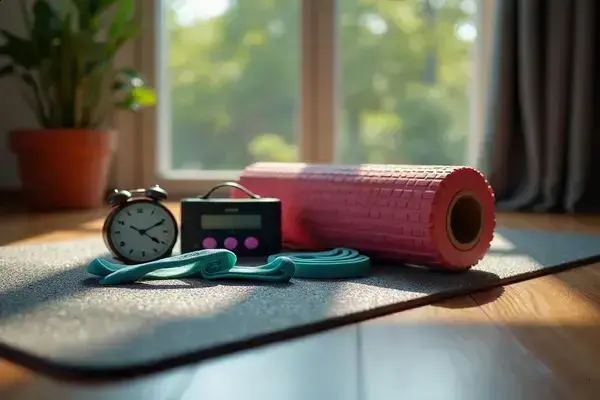
Before you start pulling, lifting, and rowing your way to a stronger back, you’ll need some essential pieces of equipment — and honestly, skipping these steps is where most home workout plans fall apart. Ever grabbed a band that snaps mid-set, or realized halfway through a workout that you can’t grip the bar properly? That’s more common than you’d think.
Preparation isn’t just about grabbing the nearest gear. It’s about setting up the right tools for progress, safety, and consistency. According to the National Strength and Conditioning Association (NSCA), the right equipment and setup can dramatically reduce your risk of strain or injury during high-resistance training.
- Dumbbells: Select adjustable dumbbells if space is limited — you’ll need a range from light (10-20 lbs) to heavy (40+ lbs) for effective progression.
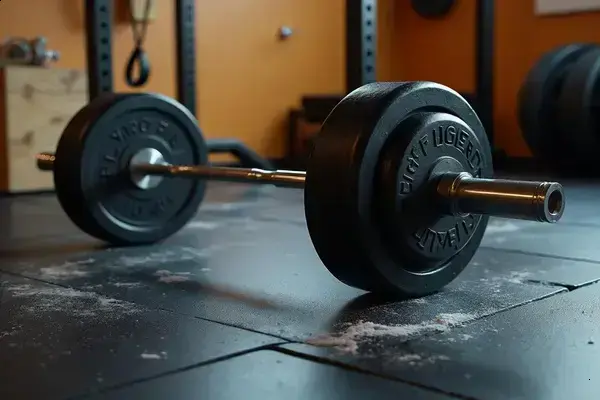
- Barbell: Olympic (45 lbs) or standard, with plates as needed for deadlifts, rows, and shrugs.
- Pull-Up Bar: Doorway-mounted or wall-mounted for stability.
- Resistance Bands: At least two strengths: Light for warm-ups, Heavy for assisted pulls or burn-out sets.
- Bench: Flat or adjustable allows for various rows and isolation movements.
- Lifting Straps: If your grip gives out before your back does, these help you target the right muscle groups.
💡 Pro Tip: Store your gear within easy reach and keep resistance bands untangled. According to Harvard Health Publishing, simple prep routines like this reduce workout friction and increase weekly exercise adherence by 30%.
Picture this scenario:
You’re ten minutes into your first real back day. The plan calls for bent-over rows, but your only weights are mismatched, one bar is rusty, and your resistance band — missing. Suddenly, motivation drops. That’s why a small prep investment, even just arranging your gear the night before, pays off when it’s time to move serious weight.
| Equipment | Purpose | Recommended For |
|---|---|---|
| Dumbbells | Rows, Shrugs, Isolation | Beginner–Advanced |
| Barbell | Deadlifts, Heavy Rows | Intermediate–Advanced |
| Resistance Bands | Warm-up, Mobility Work | All Levels |
| Bench | Supported Moves | Beginner–Advanced |
| Lifting Straps | Grip Support | Intermediate–Advanced |
But there’s one detail most lifters completely overlook until it’s too late…
Anatomy Of Effective Back Exercises
What really separates a back workout that changes your posture from one that just kills 30 minutes? The anatomy of each movement — right down to which muscle groups you target and how you perform each rep. If you’re only focusing on the “feel-good” moves, you might never progress beyond that flat, tired look.
Your back is made up of complex muscles: the latissimus dorsi (lats), rhomboids, trapezius, erector spinae, and teres major, among others. Each has a unique purpose — think of lats as your wings for width, traps for that upper back “yoke,” and erector spinae for keeping your spine properly aligned. According to guidelines from the American Council on Exercise (ACE), balanced activation across all these areas is crucial to avoid muscular imbalances that lead to poor posture and even chronic pain.
- Lats: The bread-and-butter for that V-shaped look. Exercises like wide-grip pull-ups and lat pulldowns maximize width by engaging these muscles from different angles.
- Trapezius & Rhomboids: Shrugs, face pulls, and rows help strengthen your upper-back—giving you that taller, broader stance everyone notices.
- Erector Spinae: These stabilizers are the reason you can deadlift safely. Good mornings or hyperextensions keep your lower back bulletproof.
- Teres Major & Minor: Often ignored but critical for shoulder support and movement. Close-grip pulldowns and rows keep them in play.
💡 Pro Tip: Vary your grip width and direction in exercises like rows and pulldowns. This not only hits more muscle fibers, but also prevents plateau and boredom—two of the most common reasons lifters quit, as noted by the National Academy of Sports Medicine.
In practice: imagine a guy named Daniel who only did pull-ups for months and wondered why his upper back still looked the same. When he added single-arm rows and face pulls, his traps and rhomboids finally caught up—making his back both wider and denser.
| Muscle Group | Primary Exercise | Benefit |
|---|---|---|
| Latissimus Dorsi | Wide-Grip Pull-Up | Back Width |
| Trapezius | Barbell Shrug | Upper Back Mass |
| Rhomboids | Face Pull | Posture Support |
| Erector Spinae | Deadlift | Core Stability |
What actually works might surprise you…
Step-By-Step Back Workout Routine
How do you put it all together so each session builds not just muscle but real day-to-day strength? Consistency, smart progression, and the right order of exercises make all the difference. The National Strength and Conditioning Association (NSCA) recommends mixing compound and isolation movements—something most “back day” routines miss.
- Pull-up bar or resistance bands
- Adjustable dumbbells
- Bench (flat or adjustable)
- Barbell with plates
- Lifting straps (optional)
- 30–45 minutes set aside, plus a water bottle
- Warm Up (5 minutes): Start with band pull-aparts and arm swings to increase blood flow and activate stabilizers.
- Pull-Ups or Assisted Pull-Ups: Aim for 3 sets of 5-10 reps. Can’t do bodyweight yet? Use a heavy resistance band.
- Barbell Bent-Over Rows: 3 sets of 8 reps. Keep your back flat and core braced—don’t let your shoulders shrug up.
- Single-Arm Dumbbell Rows: 3 sets of 10 reps per arm. Focus on pulling with your elbow, not your hand, for full lat engagement.
- Lat Pulldowns or Band Pulldowns: 3 sets of 10-12. Vary grip each week (wide, neutral, supinated) to work different fibers.
- Face Pulls: 2 sets of 12-15. These protect your shoulders—and improve your posture, as recommended by the American Council on Exercise.
- Hyperextensions or Good Mornings: 3 sets of 12 reps to finish, locking in lower back endurance.
- Cool Down: Gentle cat-cow stretches and deep breathing, 3–5 minutes.
⚠️ Important Warning: If you have a history of back pain or a previous injury, consult a certified fitness or medical professional before starting any new program. Individual needs vary, and safety always comes first.
In practice: you might notice after just a few sessions that grip fatigue sets in before your back muscles do. Using lifting straps on your second and third working sets can help you push through—maximizing both safety and strength gains.
Weekly Progression Table
| Week | Focus | Progression Tip |
|---|---|---|
| 1–2 | Form & Technique | Use lighter weights and emphasize control |
| 3–4 | Volume Increase | Add up to 1 set per movement |
| 5+ | Load & Intensity | Increase weight by 5–10% when consistent |
And this is exactly where most people make the most common mistake…
Adjusting Workouts For Your Goals
How do you take a good back workout and shape it to fit exactly what you want—more width, better strength, or just staying pain-free? That’s where adjusting your routine for your specific goals comes in. And it’s not just about adding weight or extra sets—sometimes tweaking rest periods or exercise order makes all the difference. Leading experts from the American College of Sports Medicine (ACSM) recommend customizing workout variables for best results, emphasizing that your objectives should guide your entire approach.
| Goal | Reps/Sets | Rest Period |
|---|---|---|
| Muscle Size (Hypertrophy) | 8–12 reps, 3–4 sets | 60–90 seconds |
| Strength | 4–6 reps, 4–6 sets | 2–3 minutes |
| Endurance | 15+ reps, 3 sets | 30–60 seconds |
- Choose grip width for width or thickness. Wide-grip pull-ups build width; close-grip rows boost thickness and detail.
- For muscle building, slow down the eccentric (lowering) phase—double the tempo on the way down versus up.
- Increase weight and decrease reps if your focus is pure strength, as compound movements like deadlifts respond best to higher loads.
- Aim for endurance? Use lighter weights and short rest breaks, and cycle in banded circuits for a real burn.
💡 Pro Tip: Write down your weekly focus before you start—having a plan prevents random, ineffective sessions. Professional trainers from the International Sports Sciences Association say tracking variables leads to consistently better results.
In practice: let’s say your main concern is posture from long days at a desk. Focus your program around face pulls, banded rows, and higher-rep sets rather than chasing one-rep maxes. For those chasing wider lats, emphasize progressive overload on pull-ups and pulldowns—week after week, a small increase in load or reps leads to visible change. It’s all about knowing your why.
But there’s one detail most lifters completely overlook until it’s too late…
Common Mistakes And How To Avoid Them
Struggling to see back gains even when you’re putting in serious work? The hard truth is most guys sabotage their own results—sometimes in ways they don’t notice until injuries or plateaus hit. If you’ve ever left the gym with stubborn aches or watched progress stall for weeks, you’re definitely not alone. The National Academy of Sports Medicine highlights these next pitfalls as some of the main reasons men get stuck.
- Using Too Much Weight: Sacrificing form for load is tempting, but it shifts tension away from the target muscles and invites injury, especially for complex lifts like deadlifts and rows.
- Poor Range Of Motion: Shortening reps (like not fully extending on pull-ups) means weaker muscle activation and minimal growth.
- Neglecting Recovery: Working the back every other day leads to overuse issues. Most experts recommend 48-72 hours between heavy sessions for full muscle repair.
- Skipping Warm-Ups: Jumping in cold ups the risk of strains, particularly for the lower back and shoulders.
- Ignoring Mind-Muscle Connection: If you rush reps or let momentum take over, you lose out on gains—focus beats speed every time.
💡 Pro Tip: Video yourself for one set each workout. According to research from the American Council on Exercise, most lifters spot mistakes on their own within two weeks just by reviewing their own form.
In practice: picture this scenario—a guy who loads up the barbell for heavy bent-over rows, but his lower back rounds and his elbows barely move. After a couple months, not only do his lats look the same, but he’s nursing a sore lower back. By dropping the weight and focusing on full range, he finally sees both progress and pain relief.
| Mistake | Impact | How To Fix |
|---|---|---|
| Excessive Weight | Injury, Loss of Form | Use challenging but controlled loads |
| Rushed Reps | Minimal Muscle Activation | Slow your tempo; focus on squeeze |
| Skipping Rest | Poor Recovery, Overuse | 2–3 rest days per week |
Once this is in place, the rest of the routine falls into place naturally.
Your Stronger Back Starts Here
You learned that the right gear, smart exercise choices, and steady progression matter more than endless reps or heaviest weights. If you take just one thing from this guide, let it be: the best back workout routine men stick with is the one built on quality, not just quantity.
Maybe before this, back day felt confusing or never showed the results you hoped for. Now you know how to prep like a pro, focus every rep, and avoid the usual mistakes. Real change starts with the next workout. Each session gets you stronger. You’ll notice the difference — not just in the mirror, but in everyday life.
Which new adjustment or back exercise are you most excited to try out first? Share your plan in the comments — let’s help each other crush it!

Jordan Blake Harrison is a fitness enthusiast and workout planner dedicated to helping everyday people build consistent exercise habits that actually last. With a passion for practical training plans, honest nutrition guidance, and printable fitness tools, Jordan built this blog to give real people everything they need to get fit and stay motivated — without the overwhelm.