Ever stare at complicated gym equipment and wonder, “Do I really need all that to get strong?” Picture waking up, rolling out of bed, and crushing a workout—no expensive gear, no trainers, just you and your own body.
Here’s the thing: trying to get started with fitness can feel overwhelming. The jargon, the crowded gyms, the intimidating machines—sometimes, it’s enough to make anyone quit before they even begin. You just want something that works, and isn’t a headache to figure out.
By the end, you’ll know exactly how to make real progress with calisthenics for beginners, sidestep the rookie mistakes that derail others, and lay the groundwork for serious strength—all at your own pace. Ready to see what your body can do?
What Is Calisthenics And Why Does It Work
You know that feeling — standing in a gym, surrounded by strange machines, wondering if you really need all that gear to get strong? Here’s the thing: calisthenics throws the playbook out the window. It’s strength training, but you use your own body as the weight. Simple, right? Yet behind that simplicity is a deep, time-tested science.
So, what counts as calisthenics? Push-ups, squats, pull-ups, dips, planks — classic moves, no fancy equipment. Your body isn’t just moving; it’s acting as both resistance and stabilizer. Each rep recruits multiple muscle groups, torching calories and building functional strength you’ll notice in real life (think: climbing stairs, carrying groceries, playing with the kids). No two sessions ever feel exactly alike because you have endless ways to progress.
💡 Pro Tip: Calisthenics isn’t just efficient — it’s proven. The American Council on Exercise confirms bodyweight workouts increase core strength, flexibility, and joint health while dramatically lowering injury risk compared to loaded machines.
The Science Behind Its Effectiveness
Picture this scenario: You’re on vacation with no gym around. Instead of skipping exercise, you drop to the hotel room floor and squeeze in a circuit of push-ups, squats, and planks — twenty minutes later, you feel worked. That’s calisthenics in action. By engaging stabilizer muscles and using compound movements, your nervous system lights up. It’s why you get strong, coordinated, and even improve balance — not just big biceps or quads.
- Functional movement: Trains the way your body naturally moves in daily life, not just isolated muscles.
- Scalable for all levels: From knee push-ups for beginners to one-arm variations for athletes.
- Minimal risk: No heavy machinery means a lower chance of acute injuries or strains.
| Calisthenics | Traditional Gym | Which Wins? |
|---|---|---|
| Body as resistance | Machines/free weights | Calisthenics for versatility |
| Anywhere, anytime | Location-dependent | Calisthenics for flexibility |
| Low injury risk | Higher injury potential | Calisthenics for safety |
According to Harvard Health Publishing, bodyweight routines offer cardiovascular and muscular gains on par with most gym regimens — with a much lower barrier to entry.
But there’s one detail most beginners completely overlook until it’s too late…
Essential Beginner Moves And Progressions
Feeling lost about where to start with calisthenics? You’re not alone—most beginners wonder if they’re using the right moves or just flailing aimlessly. The truth is, nailing down a few fundamentals lets you build muscle, burn fat, and avoid injury even if you’ve never set foot in a gym.
Let’s break down the essential exercises. There’s a core group of bodyweight basics that almost everyone can try and safely progress, even at home with zero equipment. Think push-ups, bodyweight squats, Australian rows, planks, and dips. Together, these hit every major muscle group and lay the foundation for advanced skills down the road.
- Push-ups: Strengthen your chest, triceps, and core. Start on your knees if full ones are too tough.
- Bodyweight squats: Perfect for legs and glutes. If these feel too easy, slow down each rep.
- Australian rows: Great for your back—try using a sturdy table or broom over two chairs at home.
- Dips (bench or chair): Target your triceps and shoulders safely.
- Front and side planks: Build core stability from all angles.
💡 Pro Tip: Can’t do a push-up yet? That’s okay—master the incline or knee push-up first. According to the National Strength and Conditioning Association, modifying the movement is much better than skipping it entirely.
Beginner Progression Roadmap
- Start by mastering proper form with the easiest variation of each move—think wall push-ups or chair-assisted squats.
- Once you can perform 10-15 reps (or 20-30 seconds for planks) without breaking form, move to a harder variation.
- Track your progress each week so you know when it’s time to level up.
- Prioritize quality over quantity. Rushed, sloppy reps set you back more than they help.
- Mix upper and lower body moves in the same session for balanced results.
In practice: imagine Jill, who could barely manage three knee push-ups the first week. She stuck with her routine, logged her sessions, and by week four was doing full push-ups with confidence—no gym needed. Consistency trumps everything.
Curious which mistake derails most beginners even when they start strong? Here’s where things get tricky…
How To Structure Your First Routine Safely
Ready to build your first calisthenics routine but worried about overdoing it — or worse, barely working up a sweat? Here’s the truth: a safe, effective plan isn’t just about what exercises you pick, but how you arrange and progress them. You want results, but you also want your joints and motivation to stay healthy.
- Assess your current fitness level. Take a day and test basic moves: push-ups, squats, planks. Note your max reps or time. This starting point matters — you’ll adjust intensity based on it.
- Pick 4–6 foundational exercises. Aim for full-body coverage: one push (like push-ups), one pull (Australian rows), one squat or lunge, one hinge (glute bridge), and a core move.
- Start with 2–3 rounds (sets) of each move. For reps, think 6–12 per set, or hold up to 30 seconds for core work. Rest 30–90 seconds between rounds — listen to your body.
- Plan for frequency. Beginners thrive on 2–4 sessions per week. Less is okay; do what you’ll stick to. Recovery days are non-negotiable.
- Warm up and cool down. Five minutes of light movement before and gentle stretching after — so simple, but so powerful for health and injury prevention.
- Yoga mat or carpeted area
- Sturdy chair or low table (for rows/dips)
- Comfortable clothes
- Water bottle
⚠️ Important Warning: Listen to your body’s feedback. If you feel sharp pain—not normal muscle burn—stop immediately. The Mayo Clinic strongly recommends consulting a healthcare provider before starting any new exercise plan, especially if you have preexisting conditions or prior injuries.
In practice: picture this scenario—after a week of daily training, your knees and wrists start to ache. Instead of pushing through, you dial back volume and swap lunges for glute bridges. Your body recovers fast, you avoid burnout, and by week three, you’re stronger (and more confident) than ever.
| Day | Focus | Comments |
|---|---|---|
| Mon | Full Body | Push, Pull, Squat, Core |
| Wed | Active Recovery | Walking, Mobility, Stretching |
| Fri | Full Body | Increase reps/sets if comfortable |
And this is exactly where most people make the most common mistake…
Common Mistakes Beginners Should Avoid
Think you can just wing your calisthenics routine and see great results? It’s a tempting thought—but the truth is, even the most motivated beginners fall into the same traps. Knowing what can trip you up is just as important as knowing what to do right.
- Skipping Proper Warm-Up: Diving straight into intense moves without prepping your joints and muscles leads to strains. Five minutes of dynamic movement is all it takes.
- Poor Form and Ego Reps: It’s easy to cheat form to do more reps, but sacrificing technique means you’re not targeting the right muscles and might end up hurt.
- Not Planning Recovery: Muscles rebuild on rest days. Training every single day? That only leads to burnout—sometimes in just two weeks.
- Doing Too Much, Too Soon: Doubling workouts after one “good” session can wreck your motivation or even cause injury. Progress is about reps over months, not days.
- Neglecting Nutrition and Sleep: Without enough protein and actual sleep, your body can’t recover, no matter how consistent your training.
💡 Pro Tip: Log your workouts. According to the American College of Sports Medicine, self-monitoring is one of the most reliable ways to avoid both stagnation and overtraining. A cheap spiral notebook or any free habit tracker app does the trick.
Picture this scenario: Dave is two weeks into calisthenics, already proud of hitting ten push-ups in a row. But he skips warms-ups and pushes for 20 the next day, only to tweak his shoulder—forcing him to stop completely for a month. Slow and steady would’ve kept him in the game and injury-free.
| Mistake | Impact | Better Option |
|---|---|---|
| Rushing transition to advanced moves | High injury risk, chronic pain | Master basics, progress after 3–4 weeks |
| Training through pain | Longer recovery, possible permanent injury | Rest and seek guidance for sharp pain |
| Ignoring sleep/diet | Plateau, lost motivation | Get 7–9 hours sleep, track protein intake |
And this is exactly where most people make the most common mistake…
Tracking Progress And Staying Motivated
Ever wonder why some people stick with calisthenics and keep improving, while others stall out—or quit entirely—by week three? Here’s the thing: tracking your progress isn’t just about numbers. It’s how you see your effort pay off, tweak your workouts, and stay fired up over the long haul.
The best tracking methods combine data with emotion. Yes, write down your reps and sets, but also note how you felt—energized, tired, bored? Some find motivation using a simple habit tracker app on their phones, while others prefer old-school pen and paper or printable calendars stuck to the fridge. The Centers for Disease Control and Prevention actually recommends regular tracking as a proven strategy for long-term fitness adherence.
- Pick your system: free mobile app, notebook, or printable wall chart.
- After each workout, record not just what you did, but how it felt. Did your form improve? Was a progression easier this week?
- Set specific, realistic goals—like “do 10 full push-ups in 4 weeks” or “train 3 times per week this month.”
- Review progress weekly to spot patterns and plateaus. Celebrate small wins, not just big ones!
- Attach rewards to milestones: new workout gear, a movie night, or a rest day adventure.
💡 Pro Tip: Bite-size wins beat giant leaps. In practice: Adrian, a beginner, snapped a photo of his push-up form every Friday. After a month? Not only did the numbers improve, but his posture changed—all because he kept a visual record alongside his notes.
| Tracking Tool | Best For | Extra Motivation |
|---|---|---|
| Habit app (e.g., Strides, Habitica) | Quick updates, reminders | Visual streaks and badges |
| Printable calendar | Visible daily cues | Satisfying to cross off days |
| Notebook | Journaling how workouts felt | Personal reflection, goal lists |
Picture this scenario: You’ve been tracking for two months, and suddenly you hit a wall—the motivation dips, progress stalls, maybe life gets busy. That’s normal. What matters isn’t perfection but momentum. Find your small win, look back at your progress, and remember: small steps, repeated consistently, make the biggest difference over time.
Strength Starts With Small Steps
If you take just one thing from this calisthenics for beginners guide, let it be: real progress comes from mastering the basics, listening to your body, and tracking each small win. Building strength isn’t about flashy moves—it’s about consistent effort, smart routines, and staying motivated when things feel tough.
Maybe this felt overwhelming before. Where to start, what exercises to trust—how to keep going when results don’t show up right away. Now you know how simple moves stack up, how to avoid common pitfalls, and how tracking keeps you on track even on busy weeks. You’re more prepared than most people ever will be. All it takes now is showing up for yourself.
Which beginner move or routine are you most excited to try first? Share your plan (or your biggest worry!) in the comments—let’s cheer each other on.
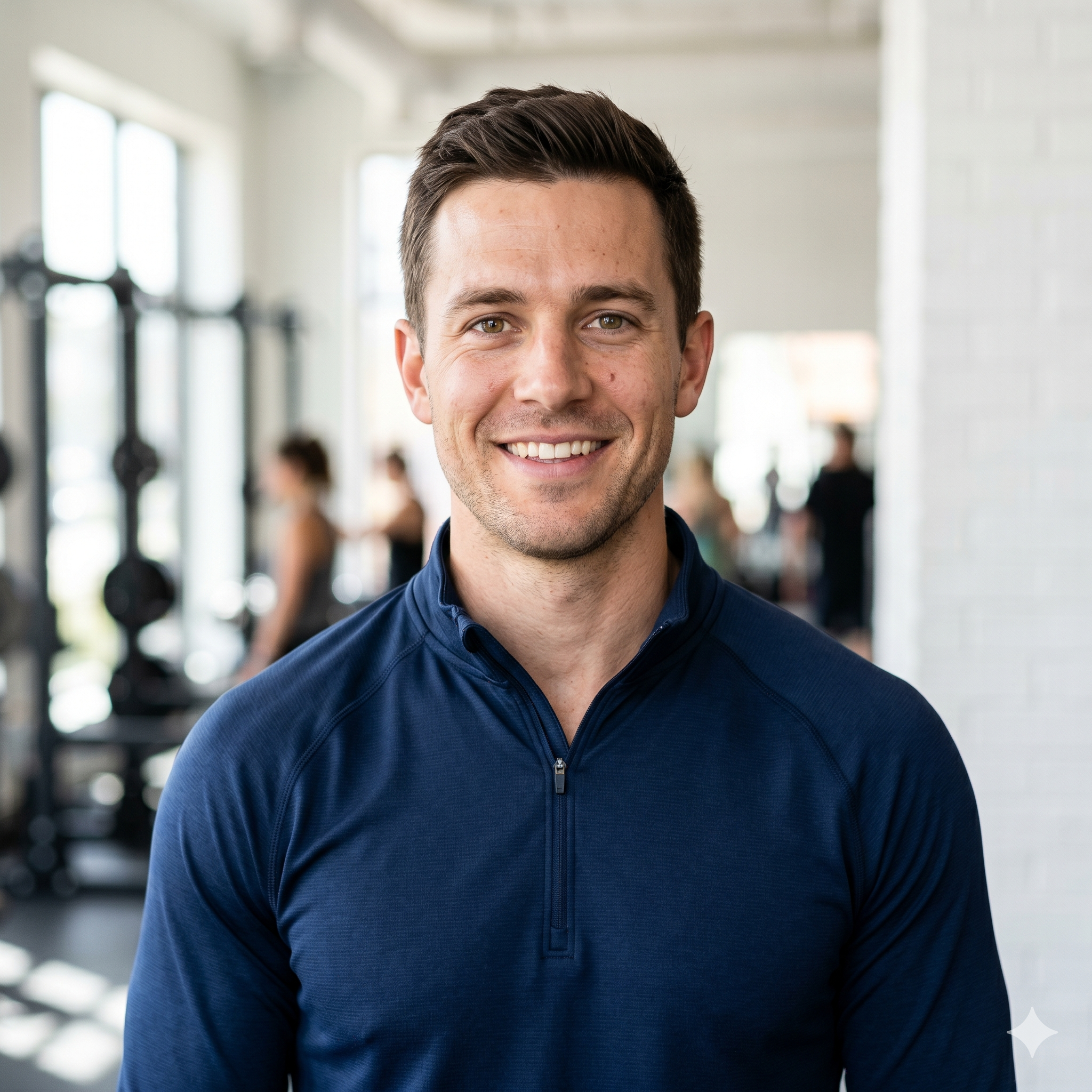
Jordan Blake Harrison is a fitness enthusiast and workout planner dedicated to helping everyday people build consistent exercise habits that actually last. With a passion for practical training plans, honest nutrition guidance, and printable fitness tools, Jordan built this blog to give real people everything they need to get fit and stay motivated — without the overwhelm.