Ever finished a tough workout and just walked away without a second thought? You might be skipping the most crucial part: cooling down. It’s easy to underestimate how much your body actually needs to recover after pushing hard.
Skipping cool down exercises can make soreness stick around longer and increase injury risk. Imagine feeling stiff and worn out the next day, when a few simple moves could have saved you that discomfort — that’s the real cost of rushing through recovery.
By the time you finish this read, you’ll know a solid set of cool down exercises after workout that anyone can do. These simple steps will help you reduce muscle tension, improve flexibility, and feel better faster — so you can enjoy your progress without setbacks.
Why Cooling Down Matters For Your Body
Why does cooling down really matter after exercise? You might think the hard work is done once you finish your last rep or hit the stop button on the treadmill. But here’s the thing: your body isn’t done yet — it needs time to transition from high gear to rest smoothly.
When you abruptly stop intense movement, your heart rate can drop too quickly and blood pools in your lower limbs. This can lead to dizziness or even fainting. Cooling down helps prevent these issues by gradually bringing your heart rate back to normal. Plus, it reduces muscle stiffness and soreness by flushing out metabolic waste products like lactic acid that build up during exercise.
In practice: imagine Sarah, an avid runner who used to skip the cool down. She felt tight calves and lingering fatigue after every workout. Once she started incorporating even five minutes of slow jogging and gentle stretching post-run, she noticed her recovery improved significantly—plus, she avoided those annoying dizzy spells that sometimes caught her off guard.
💡 Pro Tip: The American Council on Exercise recommends at least 5–10 minutes of low-intensity activity followed by stretching to optimize your recovery and flexibility.
Physiological Benefits Of Cooling Down
| Benefit | How It Helps | Impact On Recovery |
|---|---|---|
| Gradual Heart Rate Reduction | Prevents blood pooling and dizziness | Enhances cardiovascular stability |
| Muscle Relaxation | Releases tension and reduces tightness | Less soreness and better flexibility |
| Removal Of Waste Products | Flushes lactic acid and metabolites | Speeds up muscle recovery |
This process isn’t just about staying comfortable — it’s a key part of physical recovery that supports your future performance. Skipping it might seem like a time saver, but the truth is, it can set you back in the long run.
But there’s one detail most owners completely overlook until it’s too late…
Simple Stretching Routines To Follow After Exercise
Wondering which stretches actually help after your workout? It’s not about forcing yourself into complicated poses but about targeting key muscle groups gently to ease tension.
Stretching post-exercise improves flexibility by lengthening muscles that have contracted during your training. Plus, it boosts blood flow, ensuring oxygen and nutrients reach tired tissues faster — speeding up recovery and reducing soreness.
In practice: imagine John, who loves lifting weights but ignored stretching for years. After trying a simple routine focusing on his hamstrings, quads, back, and shoulders for 8 minutes post-workout, he noticed less tightness and better overall mobility within a few weeks.
Recommended Post-Workout Stretching Routine
- Hamstring Stretch: Sit on the floor with one leg extended. Reach toward your toes gently, holding for 30 seconds.
- Quadriceps Stretch: Standing on one leg, pull your other foot behind you, stretching the front of the thigh for 30 seconds each side.
- Shoulder Stretch: Bring one arm across your body and use the other arm to hold it close for 20-30 seconds.
- Cat-Cow Stretch: On all fours, alternate arching your back toward the ceiling and dipping it toward the floor to mobilize the spine.
- Chest Opener: Clasp your hands behind your back and gently lift your arms to open the chest area for 20 seconds.
This routine only takes about 8–10 minutes but makes a huge difference in your next-day comfort and performance. Worth noting: always listen to your body — stretches should feel mild, not painful.
💡 Pro Tip: According to the National Academy of Sports Medicine, holding each stretch between 20-30 seconds maximizes flexibility benefits without risking muscle strain.
Short routines like this can be adapted based on your workout type and personal tight spots. What actually works might surprise you…
How To Gradually Lower Your Heart Rate Post-Workout
Ever wondered why your heart pounds so loudly the moment you stop exercising? That rapid change can catch your body off guard if you don’t guide it back to normal gradually. Here’s the truth: abruptly stopping intense activity causes your heart rate to plummet, sometimes too fast, which may lead to dizziness or fainting.
The key is to slow your pace down and let your cardiovascular system adjust over time. This transition phase, often called the active recovery, lets your heart rate decline steadily while maintaining enough blood flow to prevent pooling in your legs.
In practice: consider Emily, who used to sprint and then instantly sit down. She often felt lightheaded afterward. Once she adopted a 5–10 minute walk or light jog to ease her heart rate down after workouts, her recovery felt smoother, and those dizzy episodes vanished.
Step-By-Step Guide To Lower Your Heart Rate Safely After Exercise
- Slow Down Gradually: Instead of stopping cold turkey, reduce your running or cycling speed to a light jog or brisk walk.
- Maintain Movement: Keep moving at low intensity for at least 5 minutes to allow your heart rate to drop slowly.
- Focus On Breathing: Take deep, controlled breaths to help oxygenate your blood and stabilize your rhythm.
- Hydrate: Drinking water aids circulation and helps to normalize your body’s internal state.
- Monitor Your Body: Listen for any unusual symptoms such as dizziness or chest discomfort and adjust accordingly.
Why does this matter? According to the American Heart Association, a cool down that progressively lowers heart rate reduces risks of cardiac stress and promotes quicker muscular recovery.
💡 Pro Tip: Use a heart rate monitor or fitness tracker to keep an eye on your pulse during cool down — it helps you avoid sudden drops and find the right pace for your recovery.
Mastering this control empowers you to bounce back faster and safer. And this is exactly where most people make the most common mistake…
Choosing The Best Cool Down Exercises For Your Routine
Choosing the best cool down exercises for your routine might seem straightforward — but here’s the thing: it’s all about matching your cool down to the type of workout you just finished and your body’s specific needs.
Imagine wrapping up a high-intensity interval training (HIIT) session versus a long-distance run. Both demand cool down exercises, but the focus shifts slightly. For HIIT, your priority might be to bring that elevated heart rate down and loosen muscles tightened during explosive movements. For endurance workouts, you may want to gently stretch fatigued muscles to enhance flexibility and prevent stiffness.
In practice: take Mike, a recreational cyclist who found himself cramping after long rides. By switching to a cool down routine that included targeted hamstring and calf stretches alongside low-intensity pedaling, his recovery vastly improved, and cramps became rare.
Comparison Of Popular Cool Down Exercises
| Exercise Type | Best For | Key Benefit |
|---|---|---|
| Light Cardio (Walking/Jogging) | All workout types | Gradual heart rate reduction and circulation aid |
| Static Stretching | Strength & endurance workouts | Muscle lengthening to improve flexibility |
| Foam Rolling (Self-Myofascial Release) | High-intensity and resistance training | Reduces muscle tightness and enhances blood flow |
Worth noting: the American College of Sports Medicine recommends combining light aerobic activity with stretching for optimal recovery. You want to listen to your body — sometimes a dynamic stretch or foam rolling is better suited, depending on how you feel post-workout.
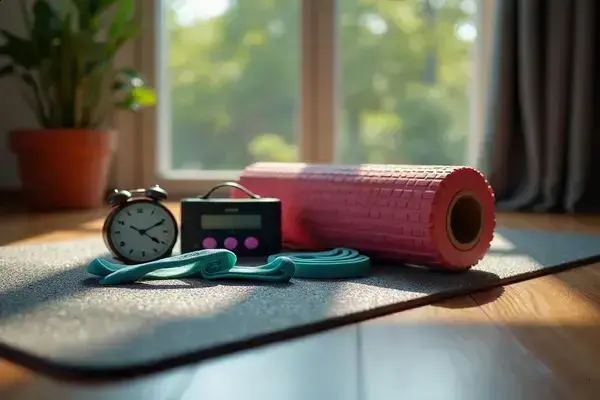
💡 Pro Tip: Keep a simple cool down kit ready at home or the gym — including a foam roller, resistance band, and yoga mat — this empowers you to customize your routine based on the day’s training.
What actually works might surprise you…
Tips To Make Your Cool Down More Effective
Ever feel like your cool down is just an afterthought? Here’s the thing: when done right, a cool down can significantly improve your recovery and reduce injury risks. It’s not just about stopping—it’s about how you stop.
Small adjustments can make a big difference. For starters, incorporating both light aerobic movements and focused stretches targets multiple recovery pathways. Aerobic activity promotes blood flow to clear out lactic acid, while stretching releases muscle tension and maintains flexibility.
In practice: Jessica, a weekend warrior, used to end her sessions abruptly. After learning to include a 10-minute combo of walking and stretching specific tight spots—like her hip flexors and calves—she noticed less soreness and faster energy rebounds.
Top Tips For An Effective Cool Down
- Start With Low-Intensity Cardio: Slow down gradually by walking or gentle cycling for 5–7 minutes to bring your heart rate down safely.
- Focus On Major Muscle Groups: Stretch muscles that worked the hardest—think quads, hamstrings, calves, and shoulders.
- Breathe Deeply: Relax your nervous system with controlled, deep breaths during stretches to enhance muscle oxygenation.
- Use Tools Like Foam Rollers: Self-myofascial release helps reduce muscle tightness and improves circulation.
- Stay Consistent: Make cooling down a non-negotiable part of every workout routine for cumulative benefits.
Worth noting: According to the Mayo Clinic, a proper cool down not only improves circulation but also helps your body transition back to a resting state more smoothly, reducing dizziness and fatigue.
💡 Pro Tip: Combine your cool down with hydration and light nutrition (like a protein snack) within 30 minutes post-workout to maximize muscle repair.
What actually works might surprise you…
Your Recovery Just Got Stronger
If you take just one thing from this guide, let it be: incorporating proper cool down exercises after workout speeds up recovery, reduces soreness, and keeps your body safer. These simple steps make a real difference for your muscles and heart health.
Before, you might have rushed through or skipped your cool down, leaving your body stiff and slow to recover. Now, armed with effective strategies—stretching, gradual heart rate reduction, and choosing the right exercises—you’re set up to feel better and perform stronger. Small changes create big results.
Which cool down tip are you most excited to try first? Share your choice in the comments—we’d love to hear what works best for you!

Jordan Blake Harrison is a fitness enthusiast and workout planner dedicated to helping everyday people build consistent exercise habits that actually last. With a passion for practical training plans, honest nutrition guidance, and printable fitness tools, Jordan built this blog to give real people everything they need to get fit and stay motivated — without the overwhelm.