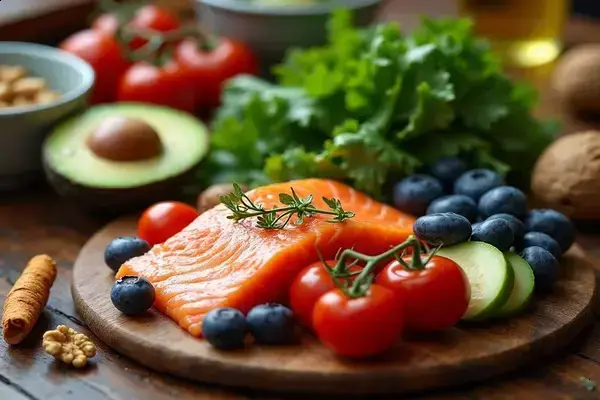
Picture this: you’re hungry at lunchtime, peek into the fridge, and suddenly realize—most of what’s in there is just carbs and veggies, but nowhere near enough protein. Sound familiar? You’re definitely not the only one.
Here’s the thing—trying to hit those daily protein goals can feel like herding cats. You start the day with good intentions, but by dinner, you’re grabbing what’s quick, not what’s smart. That lack of planning slowly zaps your energy and can stall your strength gains or weight goals—leaving you frustrated and tired.
By the end of this guide, you’ll get a clear, high protein meal plan printable free, filled with real-food shortcuts and zero guesswork. Ready to finally make protein simple and delicious? Let’s dive in.
Why Most People Struggle To Eat Enough Protein Daily
Ever wonder why grabbing enough protein feels harder than it should? You’re standing at the grocery store, eyeing shelves packed with quick carbs and processed snacks — but high-quality protein just never seems as easy or obvious. It’s not just you. Most people genuinely want to eat more protein, but daily life throws curveballs: time pressure, food marketing, and habits built around convenience over nutrition.
Here’s the reality: The typical Western diet leans heavy on refined grains and sugars, leaving protein as an afterthought. Busy work days, picky eaters at home, and the endless cycle of meal prep fatigue don’t help. According to the Dietary Guidelines for Americans, adults should aim for 10–35% of calories from protein — yet many fall short, sometimes by 30 grams or more per day. That missing protein? It means mood dips, energy crashes, and slower muscle recovery.
💡 Pro Tip: Nutritionists at the Academy of Nutrition and Dietetics suggest planning at least one high-protein anchor food per meal. It could be Greek yogurt for breakfast, chicken breast at lunch, or beans in your chili. Build the rest of the plate around it — not the other way around.
Picture this scenario: A young parent, juggling work calls and homework duty, reaches for a granola bar instead of eggs at breakfast. Lunchtime comes and goes with a salad — mostly lettuce, a scattering of seeds. By dinner, hunger hits hard, and anything quick goes on the plate. Multiply this by weeks, and it’s easy to see how protein slips off the radar.
- Highly processed snacks dominate many pantries — often convenient, rarely protein-rich.
- Label confusion: “energy bar” doesn’t always mean “high-protein bar.”
- Myths about protein making you “bulky” or being “just for athletes” discourage a lot of folks from adding more to their plates.
If you’re feeling the protein gap, you’re not alone — the CDC reports that most adults don’t consume the optimal amount for health, strength, and satiety. It’s always wise to discuss changes with a registered dietitian, especially if you have medical conditions.
And this is exactly where most people make the most common mistake…
Easy Ways To Boost Protein In Every Meal Without Counting
How do you actually get more protein into your meals without resorting to endless tracking apps or calorie counting? Here’s the thing: you don’t need a spreadsheet for this. A few smart food swaps and minor tweaks will make a major difference—without turning every meal into data entry.
Let’s get practical. The “anchor food” method works wonders. Simply start each meal by asking, “What’s my protein source here?” Then, build the rest of your plate around it. Eggs are perfect for breakfast, rotisserie chicken works for lunch, and canned beans can even become the star of your dinner. This revamp is easier than most folks think—minimal fuss, no perfectionism required.
- Add Eggs to Breakfast — Scramble, fry, or boil a couple and serve with toast instead of jam or butter alone.
- Stir Greek Yogurt into Foods — Use unsweetened Greek yogurt in place of sour cream, or swirl it into smoothies for a protein punch.
- Top Salads with Beans, Chicken, or Tofu — A handful of chickpeas or a few strips of grilled chicken transform a boring salad into a filling meal.
- Swap Regular Pasta for Chickpea or Lentil Pasta — You’ll get nearly double the protein and added fiber with the same comfort and flavor.
- Upgrade Snacks — Think cottage cheese, beef jerky, or roasted edamame instead of crackers or chips.
💡 Pro Tip: The Academy of Nutrition and Dietetics notes that varying your protein sources throughout the day (animal, plant, dairy) isn’t just practical—it actually gives you a broader amino acid profile, which is better for muscle repair and satiety.
In practice: Picture this scenario—a college student, always short on time, replaces his usual afternoon granola bar with a hard-boiled egg and a few slices of turkey breast. No extra effort, just smarter choices. By the end of the week, he’s surprised at how much less hungry he feels between meals.
- Use cottage cheese as a creamy base for dips or as a side with fruit.
- Layer nut butters on apple slices for a portable hit of plant-based protein.
- Fold cooked lentils into rice, taco fillings, or even pasta sauces.
| Protein Swap | Original | Protein-Rich Upgrade |
|---|---|---|
| Breakfast | Toast & Jam | Egg & Toast |
| Snack | Chips | Roasted Chickpeas |
| Pasta | Wheat Pasta | Chickpea Pasta |
What actually works might surprise you…
Smart Food Swaps: Turn Everyday Meals Into Protein Powerhouses
What’s the fastest way to boost protein at every meal—without overhauling your entire grocery list? You’d be surprised how easy it is. The truth is, most everyday foods have protein-rich alternatives hiding in plain sight, and the right swap can change everything for your energy, satiety, and even your grocery bill.
- Switch white bread for sprouted whole grain bread for nearly triple the protein per slice.
- Replace regular yogurt with Greek yogurt—double the protein for a creamier texture.
- Use edamame or lentils as a base in salads instead of just lettuce or croutons.
💡 Pro Tip: According to the Harvard T.H. Chan School of Public Health, a simple swap like tofu for chicken once or twice a week adds plant-based diversity—and keeps your shopping interesting.
In practice: A busy office worker typically eats plain instant oatmeal for breakfast. One morning, she adds a scoop of vanilla protein powder and a tablespoon of peanut butter. The result? She stays full until her next Zoom call and skips the vending machine run entirely.
| Meal Component | Conventional Choice | Smart Protein Swap |
|---|---|---|
| Morning | Instant Oatmeal | Oatmeal + Protein Powder |
| Lunch | White Rice Bowl | Quinoa Bowl |
| Snack | Crackers & Cheese | Edamame & Cheese Sticks |
| Dinner | Beef Tacos | Turkey or Black Bean Tacos |
Don’t forget nut butters—almond or peanut butter spread on apple slices or whole wheat crackers packs a protein punch for snacks and mini-meals alike. Even picky eaters usually won’t object to a good nut butter upgrade.
- Trade regular pasta for lentil or chickpea pasta and notice the boost in protein (plus added fiber).
- Choose cottage cheese over sour cream as a dip or topping, maximizing both texture and nutrition.
But there’s one detail most cooks completely overlook until it’s too late…
What A Balanced High Protein Day Actually Looks Like
Ever caught yourself wondering, “What does a whole day of eating enough protein actually feel like—without eating the same chicken breast four times?” It’s easier (and tastier) than you might expect.
Let’s map it out: a balanced high protein day doesn’t mean eating only meat or gulping protein shakes at every turn. Instead, it’s about weaving protein-rich options naturally into each meal and snack—so you feel satisfied, not stuffed or bored.
- Morning: Start with scrambled eggs (2 eggs) and a generous scoop of cottage cheese alongside whole grain toast. Coffee with milk is the finishing touch.
- Mid-Morning Snack: Enjoy Greek yogurt mixed with fresh berries and a sprinkle of chia seeds.
- Lunch: Assemble a grain bowl using quinoa, black beans, grilled chicken, and avocado, topped with salsa for flavor.
- Afternoon Snack: Munch on roasted edamame, or keep it simple with a string cheese and an apple.
- Dinner: Serve baked salmon with roasted broccoli and sweet potatoes. Or, swap the fish for tofu to keep things plant-based.
💡 Pro Tip: The Mayo Clinic highlights that including a protein source every 3–4 hours keeps energy steady and helps with muscle repair, especially if you exercise. A little balance goes a long way.
Picture this scenario: A young teacher packs a colorful lunchbox at 7 AM—one packed with hard-boiled eggs, bean salad, and turkey roll-ups. By late afternoon, she hasn’t felt the usual “energy dip” and heads into her evening class feeling focused and full.
| Meal | Sample Menu | Approx. Protein (g) |
|---|---|---|
| Breakfast | 2 eggs, toast, cottage cheese | 25 |
| Snack 1 | Greek yogurt, berries | 15 |
| Lunch | Quinoa bowl: chicken, black beans | 35 |
| Snack 2 | Edamame & cheese stick | 12 |
| Dinner | Salmon, broccoli, sweet potato | 30 |
- Pro variety tip: Mix plant-based and animal sources for a broader range of nutrients and amino acids.
- Keep snacks protein-forward—think jerky, chickpeas, or even a quick protein shake if needed.
But there’s one detail most meal planners ignore until it’s too late…
Download Your Free Printable High Protein Meal Plan
What if your meal planning didn’t involve complex math or scrolling endless recipe blogs? Here’s the thing: a well-designed printable high protein meal plan does all the heavy lifting for you. Forget daily guesswork—just print, stick on the fridge, and build real momentum from day one.
- Breakfast ideas: protein-packed options for every morning of the week (think eggs, cottage cheese, and nut butter toast).
- Lunch and dinner templates: clearly laid out balanced meals—for omnivores or plant-based eaters—that repeat key protein sources without getting boring.
- Snack guide: a handy checklist for on-the-go and after-workout snacks, so you never find yourself starving between meals.
💡 Pro Tip: Registered dietitians at the Academy of Nutrition and Dietetics recommend using physical checklists or meal calendars to keep nutrition goals visible and consistent—even when life gets chaotic.
In practice: a busy nurse prints the plan, laminates it, and uses a dry erase marker to check off meals through the week. Less decision fatigue, more time for what matters most. By Friday, it’s obvious which protein-rich meals were favorites and which snacks need a swap for next week—simple, real-life feedback in action.
| Section | What’s Inside? | How Often To Update |
|---|---|---|
| Breakfast | 7 protein recipes & swap list | Every week |
| Lunch/Dinner | Flexible meal template grid | As preferred |
| Snacks | Packable protein checklist | Anytime |
- Tip for families: color-code the checklist for different members or dietary styles. Adjust serving sizes up or down as needed for kids, adults, or athletes.
Small steps, repeated consistently, make the biggest difference over time.
Protein Made Simple, Every Day
If you take just one thing from this guide, let it be: building a balanced high protein meal plan doesn’t need to be complicated—it just takes a few smart swaps, some daily habits, and a resource you trust. A little planning really does go a long way.
Before you landed here, getting enough protein might’ve felt confusing or even overwhelming. Now, you’ve got easy food swaps, sample days, and a printable plan that takes out all the guesswork. Meal times don’t have to feel like a chore anymore—they can actually make you feel strong, steady, and in control.
Which swap, tip, or meal are you excited to try first? Share your favorite idea (or your own go-to high-protein snack!) in the comments—we can’t wait to hear how you put this plan into action.

Jordan Blake Harrison is a fitness enthusiast and workout planner dedicated to helping everyday people build consistent exercise habits that actually last. With a passion for practical training plans, honest nutrition guidance, and printable fitness tools, Jordan built this blog to give real people everything they need to get fit and stay motivated — without the overwhelm.