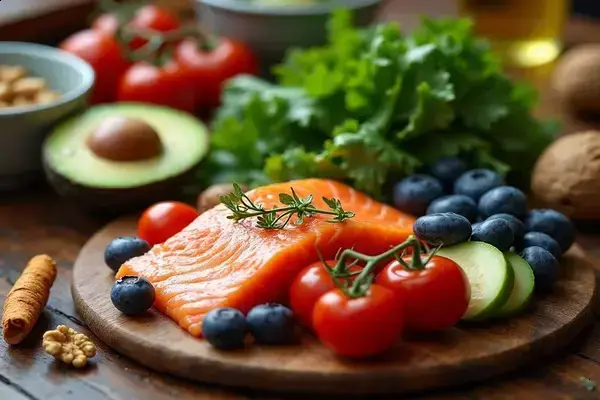
Imagine coming home after a long day and a homemade, healthy meal is already waiting. No fuss, no last-minute fast food runs—just real food you planned with tomorrow in mind. That’s the magic meal prep brings to your week.
The truth is, deciding what to eat every single meal can be quietly exhausting. When you’re tired or busy, it’s easy to grab whatever’s quick—even if you know it isn’t great for you. Over time, that chaos chips away at your wallet, your energy, and any healthy routines you’d hoped to build.
By the end of this article, you’ll have a complete meal prep for beginners guide printable that turns planning and prepping into a habit you’ll actually look forward to. Ready to open your fridge and feel like you’ve already won the week? Let’s get started.
Why Meal Prep Changes Your Week Completely
Imagine opening your fridge after a busy Tuesday and seeing perfectly portioned meals—no stress, no guilt, and absolutely no “what am I supposed to eat?” panic. That’s what proper meal prep can do for your week. For many beginners, this single shift turns chaos into calm, freeing up time, headspace, and, oddly enough, even money.
But why does such a simple planning habit spark such big changes? The reason is two-fold: first, decision fatigue is real. Every time you wonder what to cook, your energy slips a little further. Spread that over five or six days, and suddenly healthy eating feels impossible. Second, cooking at home in batches slashes your reliance on overpriced takeout, preventing those desperate “I’ll just order pizza” moments that add up in dollars and wasted calories.
💡 Pro Tip: According to Harvard School of Public Health, people who batch cook and portion meals ahead are 28% more likely to stick with nutrition goals—because willpower alone won’t save you at 7 PM on a weeknight.
In practice: picture this scenario—a nurse with back-to-back shifts. She carves out two hours each Sunday to prep grains, proteins, and vegetables. When hunger hits midweek, she’s set, grabbing balanced meals in minutes. No scrambling, no skipping meals, no extra spending.
- Time Savings: Prepping once means fewer dishes to wash—nobody misses nightly scrubbing!
- Portion Control: Dividing food ahead helps you avoid mindless overeating or grabbing snacks on autopilot.
- Budget Control: Buying in bulk and using up all your ingredients usually means spending less each week.
- Reduced Stress: Knowing exactly what’s for dinner lets you focus on what matters—family, hobbies, or, let’s be honest, just relaxing.
| Benefit | Impact | Real-Life Example |
|---|---|---|
| Save Time | Less daily cooking | 20 fewer hours/month in the kitchen |
| More Nutritious Choices | Improved energy and mood | No skipping breakfast or lunch |
| Lower Food Waste | Use all your groceries | Leftovers become tomorrow’s lunch |
What actually works might surprise you…
Essential Tools And Staples For Effortless Meal Prep
Ever notice how some people make meal prep look effortless, while others get stuck chopping veggies for an eternity or run out of containers by Wednesday? The secret—it’s all about having the right tools and staple ingredients that keep the process smooth, efficient, and, honestly, much less stressful.
Let’s break it down: Sure, you can technically meal prep with just a knife and a few pots. But with a few smart upgrades, you’ll save both time and frustration every single week.
- Reusable Glass Containers: Airtight and BPA-free options keep food fresher, make fridge organization a breeze, and they’re microwave safe.
- Sharp Chef’s Knife: A quality knife reduces chopping time and helps prevent injury from slips.
- Baking Sheets & Sheet Pans: Roasting several items at once boosts efficiency—plus, it brings out deep, delicious flavors in veggies and proteins.
- Rice Cooker or Instant Pot: Set-and-forget batch cooking for grains, beans, or even proteins. Major upgrade if you prep for a family.
- Cutting Boards: Use color-coded types to avoid cross-contamination between raw proteins and veggies (safe food handling matters—CDC guidelines recommend it!).
💡 Pro Tip: Label containers with painter’s tape and a Sharpie. It takes ten extra seconds but prevents those mysterious ‘what’s-in-this?’ moments midweek and helps reduce food waste, notes the Academy of Nutrition and Dietetics.
| Tool or Staple | Why It Matters | Budget-Friendly Pick |
|---|---|---|
| Glass Containers | Better for reheating and food freshness | Mainstays or Ikea 365+ |
| Chef’s Knife | Speeds up cutting, improves safety | Victorinox Fibrox Pro |
| Rice Cooker | Perfect, hands-off grains every time | Aroma Housewares 6-Cup |
Staple ingredients also play a huge role. Picture this scenario: It’s Sunday, and you’ve got brown rice, eggs, pre-washed greens, canned beans, and frozen chicken breast in your pantry and freezer. Suddenly, throwing together next Thursday’s lunch is a five-minute project, not a half-hour ordeal.
- Whole grains (rice, quinoa, oats)
- Canned beans and legumes
- Eggs and plain Greek yogurt
- Frozen veggies and lean proteins
- Olive oil, basic spices, vinegar
But there’s one detail most owners completely overlook until it’s too late…
Step-By-Step Guide To Planning Your Weekly Meals
So you want your week to run smoother—and your meals to make sense, not stress you out? The trick is a clear plan. But where do you start when everything feels overwhelming? Here’s a beginner-friendly, step-by-step guide that’ll take you from “no clue” to “what’s for dinner is already decided.”
- Assess Your Week: Jot down nights you have events, work late, or need quick dinners. Planning only works if it fits your real life.
- Pick Your Recipes: Focus on dishes that use overlapping ingredients. You’ll save money and reduce food waste this way (the U.S. Department of Agriculture estimates up to 30% of food is tossed—crazy, right?).
- Write Your Shopping List: Group ingredients by aisle (produce, dairy, proteins) for faster, less stressful shopping. Don’t forget pantry staples and prep extras like cling wrap.
- Schedule a Prep Session: Carve out a 1-2 hour block once a week (Sunday afternoons are classic, but see what fits your routine).
- Prep, Cook, Portion: Wash and chop veggies first. Cook proteins and grains in batches. Let everything cool, then divide into labeled containers for the week.
💡 Pro Tip: Freeze one or two portions from each batch. That little emergency freezer stash is a lifesaver when plans change—or you just need a break.
- Calendar or planner (paper or digital)
- Reusable glass containers
- Quality chef’s knife and cutting board
- Set of measuring cups/spoons
- Basic cookware (saucepans, sheet pans, rice cooker optional)
In practice: picture this scenario—Maya, a graphic designer, began meal prepping after back-to-back weeks of skip-the-breakfast-and-crash-at-3pm routines. By using her Sunday to pre-chop veggies and batch-cook her favorite turkey chili, her weekday mornings turned from frantic to totally under control. No more wasted groceries, and afternoon energy levels soared.
| Step | Estimated Time | Pro Tip |
|---|---|---|
| Plan Your Week | 10 min | Use a calendar for commitments |
| Pick Recipes | 15 min | Choose overlapping ingredients |
| Create Shopping List | 10 min | Organize by store aisle |
| Prep & Cook | 60-90 min | Batch cook when possible |
| Pack & Label | 15 min | Date containers to avoid mystery meals |
And this is exactly where most people make the most common mistake…
How To Prep, Store, And Reheat For Maximum Freshness
How do you keep those beautifully prepped meals tasting just as good on Thursday as they did on Sunday? Honestly, the right technique makes all the difference—because even the best batch-cooked food can end up flavorless or mushy when stored carelessly or reheated the wrong way.
- Cool It Fast: After cooking, let meals cool uncovered for about 30 minutes before sealing—this helps prevent condensation and sogginess.
- Portion for Convenience: Divvy up servings into individual glass containers. This makes grabbing lunch (or a last-minute dinner) effortless and keeps portions consistent—a key tip from the USDA’s food safety center.
- Label Everything: Use masking tape and a marker to write the date prepared. Toss anything that’s been in the fridge beyond 4 days for safety.
- Fridge or Freezer? Store what you’ll eat in 3-4 days in the fridge. Freeze extra portions immediately—quality holds much better if you freeze right away, not later in the week.
- Reheat Right: Use a microwave or oven to gently reheat—add a few drops of water to rice or pasta to restore moisture. For best texture, never reheat more than once.
💡 Pro Tip: When freezing meals, spread cooked items in a thin, even layer in freezer-safe bags. This speeds up thawing—so you can reheat straight from frozen in a pinch, notes the Food and Drug Administration.
- Wide, shallow containers for fast cooling
- Glass over plastic (doesn’t hold odors or stain)
- Sharpie or painter’s tape (safe & residue-free)
- Day dots if prepping for a family
- Use a digital thermometer—40°F (4°C) is your safe fridge zone
| Action | Common Mistake | Quick Fix |
|---|---|---|
| Cooling | Stacking hot lids on right away | Cool uncovered then seal |
| Storing | Plastic that stains or warps | Switch to glass containers |
| Reheating | Microwaving proteins too long | Lower power, shorter bursts |
In practice: picture this scenario—Alex preps chicken stir-fry on Sunday. He lets it cool, stores half in the fridge, half in the freezer. Thursday, he reheats a portion with a splash of water, and the veggies are still crisp. That’s meal prep done right. But there’s one detail even savvy preppers often miss…
Printable Meal Prep Planner And Checklist For Beginners
If you’ve ever caught yourself forgetting an ingredient—or scrapping meal prep midweek because something got missed—you know how powerful a checklist or planner can be. Here’s the thing: a printable meal prep planner isn’t just a pretty template. It’s a hands-on tool that shapes healthy routines and prevents those annoying ‘oops, I forgot’ moments.
- Weekly Meal Grid: Fill in breakfasts, lunches, dinners, and snacks for each day. You’ll spot patterns quickly, like overloading Sunday or skipping vegetables on Wednesday.
- Shopping List Section: List everything needed by category (produce, proteins, pantry, dairy). Double-check your list before heading out so nothing is missed. The Academy of Nutrition and Dietetics recommends shopping from a written list to cut impulse buys and reduce food waste.
- Prep Task Timeline: Break meal prep into manageable chunks—chop veggies, cook grains, portion out snacks. Mark what you can tackle ahead versus day-of, and tick off tasks as you complete them.
- Fridge & Freezer Tracker: Record what’s stored, the date prepped, and freeze-by dates. Saves money and keeps mystery leftovers in check.
💡 Pro Tip: Print the planner in color and slip it into a plastic sleeve. Use a dry-erase marker so you can update your plan week after week, saving paper and making adjustments on the fly.
| Section | Purpose | When to Update |
|---|---|---|
| Weekly Meal Grid | Plan all meals/snacks at a glance | Every Sunday (or meal prep day) |
| Shopping List | Organize needed groceries | Before every major shop |
| Prep Task Timeline | Pace and check off each task | During actual meal prep |
| Fridge & Freezer Tracker | Track stored portions/dates | Anytime you freeze or prep ahead |
In practice: picture this scenario—a busy student, juggling classes and work, prints the planner and tapes it inside a kitchen cabinet. By Sunday, she’s got meals mapped out, snacks portioned, and a running list of what’s in the freezer. Monday morning, she grabs breakfast without scrambling—and when dinners change, she makes a quick note, keeping things flexible but never chaotic.
The right habits in place now make everything easier from here.
Your Week Just Got Simpler
If you take just one thing from this meal prep for beginners guide printable, let it be: having a simple plan and the right tools makes healthy eating much easier than you thought. You’ve learned how meal prep can change your week, which tools actually matter, and exactly how to store and reheat food for fresh, stress-free meals.
Before reading, the idea of prepping a whole week’s meals might have felt overwhelming or out of reach. Now you have a blueprint for calmer mornings, smoother dinners, and even a little extra money in your pocket. You’re not just guessing anymore. You’re ready to turn meal planning into a habit that sticks.
Which part of weekly meal prep are you most excited (or nervous) to try first—planning, prepping, or storing? Share your thoughts in the comments below!

Jordan Blake Harrison is a fitness enthusiast and workout planner dedicated to helping everyday people build consistent exercise habits that actually last. With a passion for practical training plans, honest nutrition guidance, and printable fitness tools, Jordan built this blog to give real people everything they need to get fit and stay motivated — without the overwhelm.