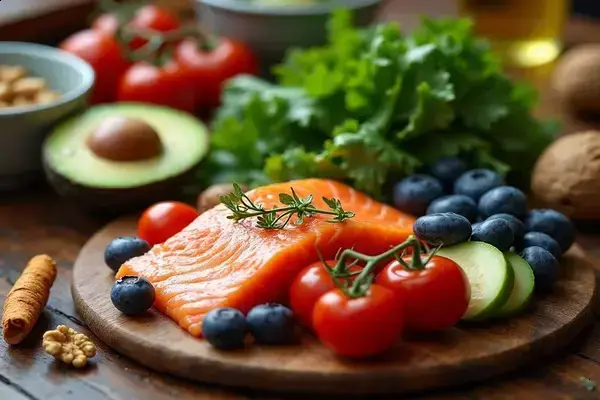
Ever stared at your fridge and thought, “How am I supposed to eat healthy this week when there’s nothing but random leftovers and mystery condiments?” It’s surprisingly common — most folks want to stick to clean eating, but life (and grocery budgets) have other plans.
Without a clear plan, shopping gets haphazard — you end up buying things twice, forgetting the basics, and realizing halfway through the week that you’re out of the good stuff. Over time, those last-minute takeout orders and extra trips to the store don’t just drain your wallet — they make healthy eating feel way harder than it should be.
By the end of this post, you’ll walk away with a done-for-you healthy grocery list printable free, plus some simple, expert-backed tips for buying the healthiest foods every week—without blowing your budget. Ready to actually enjoy your next grocery run? Here’s how to start fresh.
Why Planning Your Weekly Grocery Trip Saves Money And Stress
Ever find yourself at a checkout line, realizing you’ve tossed in too many impulse buys—and somehow forgot the eggs? Here’s the thing: planning your grocery trip isn’t just about organization, it’s about regaining control over what you eat and how much you spend.
When you walk through those aisles hungry or without a plan, the choices add up fast—both in calories and cost. According to the USDA, unplanned grocery trips cost Americans an extra $2,400 per year on average. That’s cash most people don’t notice slipping away, all because they didn’t build a list that matched their week’s real needs.
💡 Pro Tip: Tackling the pantry first—checking dates and inventory on staples—before you write your list prevents overbuying and helps rotate food before it expires. The Academy of Nutrition and Dietetics recommends a “shop your kitchen” step every week.
Picture this scenario: It’s Sunday afternoon. You grab a notepad or open a printable on your counter. The fridge looks sparse, but instead of guessing, you scan what’s left and consider your week’s schedule—late nights, busy mornings, even that planned potluck on Friday. Now, your list reflects your life, not some spreadsheet fantasy.
- You avoid the rut of buying yet another tub of hummus if three are already hiding in the back.
- You pick snacks and staples based on actual meals you’ll make, not just what’s on sale.
- You add fresh produce in the right quantities, reducing waste at the end of the week.
Comparison: Unplanned vs. Planned Grocery Trips
| Unplanned Trip | Planned Trip | Impact |
|---|---|---|
| Frequent store visits | One main trip weekly | Saves gas & time |
| Duplicate items, food waste | Only buy what’s needed | Reduces waste, lowers bill |
| Impulse snacks & extras | Healthier, purposeful choices | Supports clean eating |
In practice: a family that switches to a printed weekly shopping plan can cut food waste by 33%, based on a report from ReFED, a US food waste nonprofit. You’ll probably notice fewer “what’s for dinner?” panic moments—and less stress overall.
But there’s one detail most shoppers completely overlook until it’s too late…
What Really Belongs On A Healthy Grocery List?
How do you know what actually deserves a spot on your weekly healthy grocery list—especially with so much nutrition advice flying around? It’s easy to get lost in the noise, but building a list that truly supports clean eating comes down to one word: balance. You want options that satisfy, nourish, and make meal prep easier, not harder.
Nutrition experts from the Academy of Nutrition and Dietetics recommend that every healthy grocery list covers the major food groups: lean proteins, whole grains, fresh fruits and vegetables, healthy fats, and low-fat dairy or fortified alternatives. The key isn’t just variety—it’s including the right types of foods in the amounts you’ll actually use.
💡 Pro Tip: Always shop the perimeter of the store first for the freshest options—produce, meat, dairy—and fill in with center-aisle pantry staples last. This simple hack keeps your cart cleaner and your nutrition on track.
- Lean Proteins: Think chicken breast, eggs, canned tuna, tofu, or skinless turkey. These fill you up, power your muscles, and give every meal staying power.
- Whole Grains: Choose brown rice, quinoa, old-fashioned oats, or 100% whole wheat bread. They add fiber for digestion and keep blood sugar steady.
- Fruits and Vegetables: A rainbow selection—spinach, carrots, bell peppers, apples, and berries—adds antioxidants, vitamins, and crunch to every meal.
- Healthy Fats: Avocados, olive oil, unsalted nuts, and seeds are nutrient-dense and support both heart health and satiety.
- Dairy or Alternatives: Low-fat yogurt, milk, or fortified plant-based alternatives like soy or almond milk for calcium and protein.
Top 10 Must-Haves on a Healthy Grocery List
- Spinach or leafy greens
- Chicken breast or plant-based protein
- Fresh berries (strawberries, blueberries)
- Brown rice or quinoa
- Canned tuna or salmon
- Eggs
- Bell peppers
- Greek yogurt or non-dairy substitute
- Avocado
- Olive oil
Picture this scenario: It’s midweek, you’re tired, and the takeout menus are calling. But when your fridge has the right staples, you can mix and match a quick salad, a simple stir-fry, or a healthy snack in minutes. No stress, no guilt, and no mystery ingredients needed.
And this is exactly where most people make the most common mistake…
How To Make Clean Eating Affordable With Smart Choices
Worried that clean eating means blowing your weekly budget on fancy ingredients? You’re definitely not alone. It might look expensive on social media, but making clean eating affordable is all about smart, practical choices that work for real life—not just pictures. You need a plan that’s built for busy schedules and actual household needs.
- Start with What You Have: Before shopping, scan your pantry and fridge. Use up existing grains, beans, or veggies to form the core of meals for the week.
- Shop In-Season: Fruits and vegetables are cheapest—and freshest—when they’re in season locally. Check your area’s farmers markets or sales flyers for what’s at its peak price.
- Embrace Store Brands: Generic or private-label products are often just as nutritious as name brands, but typically 15-30% cheaper (FDA labeling standards ensure similar quality).
- Go for Whole Foods, Not Processed: Bulk bags of brown rice, oats, dry beans, and frozen veggies stretch dollars further than pre-packaged snacks or microwavable meals.
- Batch and Freeze: Prepare meals in larger quantities so leftovers can be frozen and used during busy nights, saving both time and money on takeout.
💡 Pro Tip: According to the Centers for Disease Control and Prevention, planning meals around affordable protein sources—like eggs, beans, or canned fish—can cut grocery costs by up to 25% while supporting balanced nutrition.
In practice: Picture this scenario—You’ve got $50 for the week. Instead of grabbing multiple pre-made salads and snacks, you buy a bag of lentils, a carton of eggs, fresh broccoli, and a big pouch of oats. Breakfast is overnight oats, lunch is a veggie stir-fry, and dinner is a simple frittata—nutritious, filling, and way cheaper than buying ready-made.
- Cost-saving staples: Canned tomatoes, brown rice, frozen spinach, peanut butter, and carrots.
- Pantry-friendly proteins: Canned tuna, bagged lentils, and eggs.
Comparison: Clean Eating on a Tight Budget
| Smart Choice | Higher-cost Alternative | Why Smart Wins |
|---|---|---|
| Dry beans | Deli meats | More servings, less sodium |
| In-season produce | Imported berries | Better price and flavor |
| Whole oats | Granola bars | Less sugar, lower cost |
And what actually works might surprise you…
Ways To Organize And Use Your Printable Grocery List
How do you actually put a printable grocery list to work so it saves you real time and stress every week? The answer is making it fit your habits—not forcing your habits around it. If you set it up properly, your list will do the thinking for you, reducing forgotten items and last-minute store runs.
- Choose Your Format: Decide if physical printouts, reusable laminated sheets, or a digital PDF (on tablet) works best for your kitchen setup. Each has perks—paper is tactile and visible, while digital is easily updated on the fly.
- Group By Store Section: Edit or reorganize the list so foods are clustered: produce, proteins, pantry staples, refrigerated, frozen. This matches shopping aisles, slashing backtracking and helping you breeze through each trip.
- Pre-Fill Weekly Staples: List your non-negotiables—milk, eggs, oats, salad greens—so you don’t start from scratch every time. Just check the boxes, cross off what you already have, and add special ingredients for new recipes.
- Add Space for Notes: Include a column or free section for meal ideas, rotating brands, or household needs (like foil or cleaner). This extra context cuts down on midweek dashes to the store.
- Post Where You’ll See It: Tape printed lists to your fridge, keep a laminated version with a dry-erase marker on the counter, or set digital reminders if you use your phone. Visibility is everything.
- Paper printouts: great for sharing or family use.
- Laminated lists: cost-effective and eco-friendly if you shop weekly.
- Digital PDFs: perfect for those who like to edit on the go.
💡 Pro Tip: According to the National Grocers Association, grocery shoppers who use and update a master list lower their forgotten-item rate by 60% versus those who rely on memory alone. Keep the current week’s list until your next trip for reference and to refine your system.
In practice: Picture this scenario—a busy parent prepping for Monday’s shopping. Over the weekend, they mark their printable list, referencing household meal plans and leftovers. The actual shopping trip is quick, focused, and—maybe best of all—ends with zero frustration back at the kitchen counter.
And this is exactly where most people make the most common mistake…
Print-Ready: A Budget-Friendly Clean Eating Grocery Checklist
What sets a truly usable grocery list apart? The best printable clean eating checklist doesn’t just rattle off random foods—it’s tailored for your real budget, real week, and real food preferences. Instead of chasing perfection, it gives you a starting point and space to adapt as your needs change.
- Core Categories: This checklist covers produce, lean proteins, whole grains, healthy fats, and dairy or fortified plant-based alternatives—everything you need for balanced meals on a budget.
- Easy to Customize: You’ll find blank spaces in every section to add “family favorites” or account for sales and seasonal swaps.
- Frequency-Friendly: Designed for weekly use, it won’t overwhelm you with specialty items—just practical, health-forward basics.
- Where to Keep It: Print extra copies and keep one on the fridge or in your reusable shopping bag. If you’re tech-loving, use the PDF version on your phone or tablet and tick off items digitally each week.
💡 Pro Tip: According to the Academy of Nutrition and Dietetics, reviewing your list right before heading to the store reduces forgotten items by more than half and cuts back on food waste. Pin your filled list where the whole household can see it.
Sample Budget-Friendly Clean Eating Grocery Checklist
| Category | Suggested Items | Custom Notes |
|---|---|---|
| Produce | Spinach, carrots, bell peppers, apples | [Add your family’s favorites] |
| Proteins | Eggs, canned tuna, chicken breast, lentils | [Circle what you’ll use] |
| Grains | Brown rice, oats, whole wheat bread | [Try a new grain weekly] |
| Healthy Fats | Avocado, olive oil, nut butter | [Buy sale items] |
| Dairy/Alt | Low-fat yogurt, plant milk | [Note deals or swaps] |
In practice: Imagine you’re heading out on a busy Saturday. You grab your filled checklist—organized by category and budget-friendly choices. Shopping goes faster, impulse buys shrink, and at week’s end? Way less waste and guilt. The right habits in place now make everything easier from here.
Your Healthy Grocery List, Uncomplicated
If you take just one thing from this guide, let it be: a simple, planning-first approach to your healthy grocery list saves money and makes clean eating doable every single week. Build your core list, organize it to fit your habits, and adapt with the seasons or your own favorites. Don’t overthink it—just get started. That’s the real power of a healthy grocery list printable free.
Maybe before today, creating a grocery list felt overwhelming or out of reach. But now you’ve got the tools, checklists, and real-world tips to organize your meals, eat better, and avoid that last-minute stress in the store. You don’t need perfection—just some easy new habits. Every step gets you closer to those healthy eating goals.
What’s the first change you’ll try on your next grocery run? Share your plan or your best healthy grocery tip down in the comments—let’s help each other make eating well a habit!

Jordan Blake Harrison is a fitness enthusiast and workout planner dedicated to helping everyday people build consistent exercise habits that actually last. With a passion for practical training plans, honest nutrition guidance, and printable fitness tools, Jordan built this blog to give real people everything they need to get fit and stay motivated — without the overwhelm.