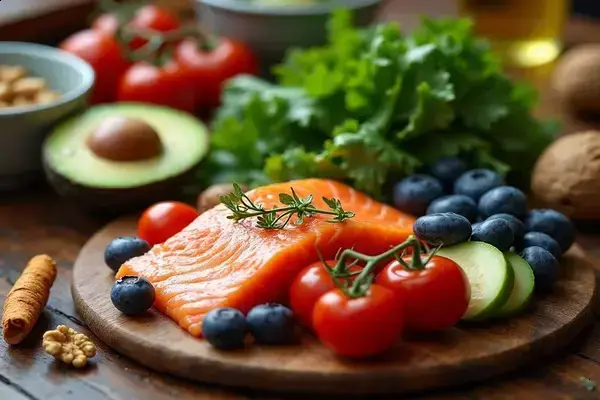
Ever finished a tough workout and—between the racing heart and tired muscles—wondered what you should be eating next? You’re not alone. Most people who exercise regularly don’t realize how much their post workout meal can shape both recovery and results.
Here’s the thing: skipping the right recovery foods can leave you dragging for days, slow your muscle gains, or even set you up for nagging injuries. Hunger kicks in, energy drops, and that soreness? It sticks around longer than you’d like. It’s not just about calories—it’s about giving your body exactly what it needs to bounce back.
By the last section, you’ll know how to put together the best post workout meal guide recovery for your body and your goals—real food, no nonsense. Ready to unlock faster recovery and feel your best heading into tomorrow’s session? Let’s dive in.
Why Post Workout Nutrition Matters For Recovery
You put your all into a workout — sweat dripping, heart pounding, every muscle fiber firing. But here’s the twist most people don’t realize: the true transformation happens after you leave the gym, not during those hard minutes inside. Without the right recovery nutrition, your body can’t rebuild and adapt as efficiently. That means slower progress and, honestly, more lingering soreness than you bargained for.
What exactly goes wrong when you skip or delay your post workout meal? Let’s get specific. Your depleted muscles need carbs to refill glycogen stores and protein to start repairing those tiny exercise-induced tears. Ignore this window and the results show up in weirdly long recovery times, increased fatigue, or even a frustrating plateau. Think of your body’s recovery process as a construction project — missing supplies mean nothing gets built on schedule.
💡 Pro Tip: According to the International Society of Sports Nutrition, consuming a balanced meal with both carbs and protein within two hours post-exercise is ideal for maximizing recovery benefits. Even casual exercisers can feel the difference when timing and nutrients align.
In practice: picture this scenario — you finish a demanding HIIT class and race straight to your next obligation, grabbing only a coffee on the way. It feels efficient in the moment, but by late afternoon, you notice nagging muscle cramps and your energy tanks during dinner prep. Now? Imagine if you’d fueled up with a simple smoothie or a turkey-and-avocado wrap before moving on with your day. Soreness fades faster, and your evening actually feels strong and productive. That’s the recovery edge smart nutrition delivers.
| Scenario | Recovery Impact | What To Expect |
|---|---|---|
| No Meal for 4+ Hours | Prolonged soreness, low energy | Harder to bounce back tomorrow |
| Fast Carb Snack Only | Partial refuel | Short-term energy boost, slower muscle repair |
| Balanced Meal (Carbs + Protein) | Optimized muscle repair, restored energy | Faster, easier recovery every session |
The truth is: prioritizing post workout nutrition isn’t just for pro athletes — it’s for anyone who wants results they can see and feel. But there’s one detail most owners completely overlook until it’s too late…
The Essential Nutrients Your Body Needs After Exercise
Ever felt totally stumped standing in your kitchen post-workout, not sure what your body really needs to bounce back? Recovery isn’t just about “eating anything.” There are specific nutrients your muscles crave to repair, refuel, and start building stronger than before. Skimp on these essentials, and your next session could feel much harder than it should.
- Protein: This is your top priority after exercise. Protein provides amino acids that repair and rebuild damaged muscle tissue. Whey protein, chicken breast, Greek yogurt, and tofu are all prime options—think high-quality, easily digestible sources. According to the Academy of Nutrition and Dietetics, about 20–40 grams post-exercise is a sweet spot for most adults.
- Carbohydrates: Your muscles use stored glycogen for fuel during training. Replenishing those glycogen stores requires fast-digesting carbs. Think rice, oats, bananas, or potatoes. Carbs not only help energy levels rebound, but they also support effective muscle repair.
- Healthy Fats: While many people fear fat, a small amount post-workout helps regulate hormones and supports anti-inflammatory processes in the body. Good examples: avocado, olive oil, or a sprinkle of chia seeds.
- Electrolytes: Hard workouts mean lost sodium, potassium, magnesium, and calcium through sweat. You don’t need a sugary sports drink to rehydrate—sometimes a glass of water with a pinch of salt or coconut water does the trick. Combine that with mineral-rich foods for extra support.
- Antioxidants: Exercise creates oxidative stress in the body. Colorful fruits like berries, citrus, and kiwi deliver vitamins and antioxidants that help reduce this and speed up recovery time.
💡 Pro Tip: Pairing carbohydrates with protein post-exercise has been shown by the American College of Sports Medicine to enhance both glycogen replenishment and muscle protein synthesis—meaning you recover faster and stronger when you combine, say, a turkey sandwich or chocolate milk.
Picture this scenario: you wrap up a cycling class drenched in sweat and grab just a piece of fruit. It’s a start, but with a few boiled eggs or a dollop of nut butter added, your body gets a bigger boost and you feel satisfied, not shaky. Those are the recovery meals you’ll want to repeat.
| Nutrient | Why It Matters | Best Food Sources |
|---|---|---|
| Protein | Muscle repair, growth | Chicken, eggs, legumes, whey |
| Carbohydrates | Refuel energy stores | Rice, bananas, sweet potatoes |
| Healthy Fats | Hormonal balance, reduce inflammation | Avocado, olive oil, nuts |
| Electrolytes | Hydration, muscle function | Coconut water, leafy greens, seeds |
| Antioxidants | Fight oxidative stress | Berries, citrus, kiwi |
And this is exactly where most people make the most common mistake—they focus only on protein and forget the rest…
How To Build The Perfect Post Workout Meal
How do you take all that nutrition knowledge and turn it into an actual winning plate after exercise? The truth is, you don’t need to overcomplicate things with exotic superfoods or rigid meal schedules. Building a perfect post workout meal comes down to balancing the right macro- and micronutrients in real, satisfying foods that actually fit your life.
Step-by-Step: Assembling Your Recovery Plate
- Pick Your Protein: Start with a lean source—grilled chicken, salmon, eggs, Greek yogurt, or tempeh. Aim for at least 20–30 grams to kickstart muscle repair.
- Add Quality Carbs: Choose something that digests easily for quick glycogen replenishment. Think sweet potatoes, quinoa, white rice, or a slice of whole grain bread. About the size of your fist is a good baseline.
- Incorporate Healthy Fat: Don’t skip this step! A small amount of avocado, olive oil drizzle, or a sprinkle of nuts supports hormone recovery and satiety.
- Hydrate With Purpose: Include water-rich produce or a glass of electrolyte-rich coconut water to help replace lost fluids and minerals.
- Use Color for Antioxidants: Toss in spinach, bell peppers, berries, or citrus. Colorful veg and fruit fight inflammation and feel fresh after a workout.
- Protein: 20–30 grams per meal
- Carbohydrates: 40–60 grams
- Fat: 10–20 grams
- Electrolytes and fluids: as needed post-exercise
💡 Pro Tip: According to the United States Department of Agriculture, building your meal with a 1:2 ratio of protein to carbs enhances muscle recovery while refueling your body—making it ideal for both endurance and strength athletes.
In practice: you’ve just finished your workout, you’re pressed for time, and the last thing you want is a recipe that requires an hour and a half. You toss together rotisserie chicken, microwaved brown rice, half an avocado, and some baby spinach straight from the bag—and, just like that, you’ve got a balanced recovery meal in under five minutes. It’s not fancy, but it works. The point isn’t perfection—it’s consistency and quick, accessible choices that you’ll actually make.
What actually works might surprise you…
Timing Your Meals: When Should You Eat After Training?
Ever wondered why the timing of your post workout meal seems to get so much hype? Here’s the thing: when you eat after training can actually make a noticeable difference in your recovery speed and muscle growth. Your body is most receptive to absorbing nutrients during a window of time—often called the “anabolic window”—which typically lasts up to two hours after exercise.
- First 30 Minutes: This is when your muscles act like a sponge, rapidly soaking up carbs and protein to kickstart recovery. A quick snack, such as chocolate milk or a banana with nut butter, works well if a full meal isn’t an option yet.
- Up to 2 Hours: Research from the International Society of Sports Nutrition shows consuming a balanced meal within this window optimizes glycogen restoration and muscle protein synthesis. You get the most benefit by timing your larger meal in this period.
- After 2 Hours: While it’s not game over, letting too much time pass means you miss that peak window for muscle repair and refueling. Recovery slows and energy levels may lag into the next workout.
💡 Pro Tip: Some people stress about hitting the exact minute, but consistency matters more than perfection. According to the National Academy of Sports Medicine, focusing on regular balanced meals—especially after tough training—will always beat chasing the clock by seconds.
Picture this scenario: you’ve got a packed schedule and finish your spin class at 6:30pm. You can’t get dinner until 8pm. Instead of stressing, grab a Greek yogurt and a handful of berries on your way out. That simple snack gets recovery going, then your main meal delivers the rest. It’s real-life flexibility that counts—adapting the research to what works for you.
| Timing | What to Eat | Impact on Recovery |
|---|---|---|
| 0–30 min post-workout | Light snack (carb + protein) | Maximizes nutrient uptake, stops muscle breakdown |
| 30–120 min post-workout | Full meal (balanced macros) | Optimizes muscle repair, replenishes energy |
| After 2 hours | Any meal | Still helps, but less effective for fast recovery |
And this is exactly where most people make the most common mistake—getting hung up on small timing details and forgetting to keep it simple with consistent, nutrient-rich meals…
Post Workout Meal Ideas For Every Lifestyle
Trying to figure out what to eat after a workout can be overwhelming—especially when your schedule, food preferences, or budget don’t look like anyone else’s. The great news? There’s no single “perfect” meal for everyone. Instead, you can tailor your recovery to your lifestyle and still get all the essential benefits.
Quick Reference: Post Workout Meal Ideas
| Lifestyle | Sample Meal | Why It Works |
|---|---|---|
| On-the-Go (Minimal Prep) | Chocolate milk + banana + string cheese | Fast protein/carb combo, zero cooking |
| Plant-Based | Chickpea salad sandwich on whole grain + orange | High fiber, complete amino acids, vitamin C |
| Meal Prepped | Grilled chicken, quinoa, roast veggies, olive oil drizzle | Balanced, portable, reheats well |
| Budget Focused | Canned tuna, brown rice, frozen mixed veggies | Affordable, long shelf life, solid macros |
| Protein Shake User | Whey shake blended with berries and oats | Customizable, digests quickly, energy boost |
💡 Pro Tip: Vary your recovery meals from week to week. According to the Academy of Nutrition and Dietetics, rotating different proteins, whole grains, and produce not only improves recovery but also leads to better long-term health and less “taste fatigue.”
In practice: picture this scenario—you’re leaving work late, starving, and the thought of elaborate cooking makes you want to skip recovery altogether. You grab a pre-packaged hummus pack, whole grain crackers, and a handful of grapes from your local grocer. It feels almost too simple, but you’ve still nailed the protein, carbs, and hydration your muscles crave. Sometimes, the best meal is the one you’ll actually eat, not the one that looks flawless on social media.
- Mix and match proteins (chicken, tofu, lentils, fish, or eggs) for variety.
- Rotate carb sources like sweet potatoes, brown rice, oats, or whole grain pita.
- Always add a colorful veggie or fruit to support micronutrient needs.
The right habits in place now make everything easier from here.
Your Recovery Is Now In Reach
If you take just one thing from this post workout meal guide recovery, let it be: what you eat after exercise matters more than you think. Timely balanced meals, personalized nutrient choices, and flexibility are the real keys to bouncing back stronger every session.
Before reading this, post-workout meals probably felt confusing or like something only athletes worried about. Now you know how even simple food—timed right—helps sore muscles, recharges energy, and sets you up for results you can see and feel. The difference is real, and you’re ready for it. Trust yourself to make it work.
What post workout meal idea fits your lifestyle best—or is there one you’ll try in your next recovery? Share your plans or questions down in the comments!

Jordan Blake Harrison is a fitness enthusiast and workout planner dedicated to helping everyday people build consistent exercise habits that actually last. With a passion for practical training plans, honest nutrition guidance, and printable fitness tools, Jordan built this blog to give real people everything they need to get fit and stay motivated — without the overwhelm.