Picture this: you’ve just crushed an early morning training session, stomach rumbling, energy fading fast. Suddenly, a granola bar or a banana isn’t going to cut it—your body’s asking for something more.
So many athletes hit this wall—caught between meals, searching for snacks that actually help replenish energy but don’t weigh you down. If you’ve ever grabbed a so-called “healthy” bar and still felt sluggish, you know the struggle. Eating wrong between workouts can undermine all the work you’ve just put in, leaving you drained when you need that power most.
By the end of this article, you’ll walk away with real, athlete-approved healthy snack ideas athletes fitness fans swear by—snacks that power up performance, not just fill you up. Ready to take that first step toward consistent, all-day fuel?
Why Snacking Matters For Athletic Performance
Ever felt that mid-workout slump, where your legs turn into jelly and your focus just drifts away? You’re not alone. The truth is: what you eat between main meals can make or break your athletic performance—snacking isn’t just about curbing hunger. It’s a secret weapon, fueling not just your body, but your drive and mental sharpness during every sweat session.
The science is clear: energy stores in your muscles (glycogen) drop fast during high-intensity training. If you don’t top them up with smart snacks, your body will start raiding muscle for fuel at exactly the wrong time. According to the Academy of Nutrition and Dietetics, regular snacking on the right foods can maintain optimal blood sugar, boost endurance, and help with faster recovery after exercise.
💡 Pro Tip: Eating a well-balanced snack containing complex carbohydrates, a bit of protein, and healthy fats about 60-90 minutes before your workout has been shown to provide sustained energy and help prevent post-exercise muscle breakdown.
Picture this scenario: Alex, a weekend warrior training for their first half-marathon, often skipped snacks, thinking less is more. By mile six, however, they hit the dreaded wall—energy crashed, motivation plummeted. After adding a banana with almond butter an hour before runs, Alex noticed improved stamina, better focus, and even quicker recovery. That’s real-world snacking power in action.
| Snacking Benefit | Why It Matters | Best Snack Timing |
|---|---|---|
| Steady Energy | Prevents blood sugar crashes and fatigue mid-exercise | 60–90 min before workout |
| Muscle Protection | Reduces muscle breakdown, supports growth | Pre- & post-workout |
| Faster Recovery | Speeds up glycogen refueling and repairs tissue | 30 min after workout |
One key tip—for personalized advice, especially if you have medical conditions or performance goals, check in with a registered dietitian or certified sports nutritionist. It pays off long term.
But there’s one detail most athletes overlook: the timing of your snack is just as important as what’s in it…
When Is The Best Time To Snack Before Or After Workouts
Ever finish a workout and wonder if you should have eaten first—or maybe regret not grabbing something right after? It’s one of those questions even seasoned athletes still debate. Timing your snacks isn’t just for pros chasing marginal gains. Ordinary folks see real benefits from a well-timed bite, too.
- Pre-workout: Snacks about 60–90 minutes before training boost blood sugar and top off muscle glycogen, the body’s quick-access energy.
- During long sessions: For workouts over 90 minutes, a small mid-activity snack (like a few dates or a banana) can help maintain pace and sharpness.
- Post-workout: Within 30 minutes after exercise, your muscles are primed to refuel and repair, making this the golden window for a snack combining carbs and protein.
💡 Pro Tip: If you’re training early in the morning, keep your pre-workout snack small and easy to digest—think a half banana with a teaspoon of nut butter. According to the American College of Sports Medicine, light but strategic snacking supports steady performance and faster post-training recovery.
In practice: Sara hits the gym at 6 a.m., squeezing sessions between job and family. When she skips a morning snack, those last 15 minutes feel twice as hard, and her recovery lags until lunch. But a pre-gym overnight oat cup (eaten at 5:15 a.m.)? That light meal powers her straight through and keeps her from ravenous binges afternoon. It’s not just about eating—it’s about when.
| Timing | Goal | Snack Example |
|---|---|---|
| 60–90 min before | Prep energy, avoid mid-workout crash | Whole grain toast + almond butter |
| During (over 90 min) | Fuel endurance, prevent fatigue | Small handful of pretzels or dried fruit |
| Within 30 min after | Muscle recovery & replenish energy | Greek yogurt with berries |
Remember, everyone digests differently and has unique schedule needs. If you have a metabolic disorder or intense competition goals, consult a sports nutritionist once before changing routines.
What actually works might surprise you…
Smart Carbs, Proteins, And Fats For On-The-Go Energy
Want your body to fire on all cylinders between meals without a crash? The trick is combining the right balance of carbs, proteins, and fats—each brings something different to your game, and together they work wonders. But most people focus way too much on just one piece, leaving energy flat or missing the recovery mark entirely.
- Complex Carbohydrates: Think oats or whole-grain crackers—these digest slowly, giving you a steady drip of fuel for your muscles and brain.
- Lean Proteins: Greek yogurt, cottage cheese, or boiled eggs all support muscle repair and help stave off hunger, especially on training days.
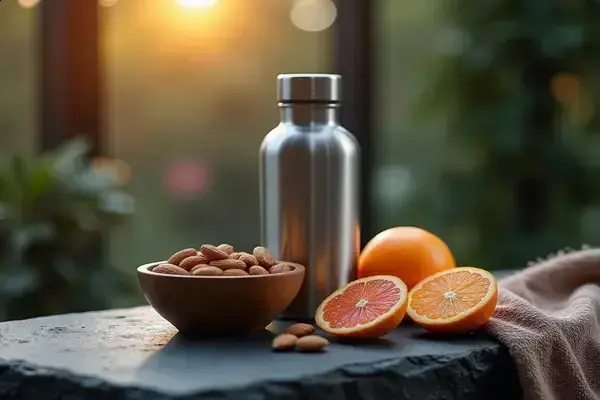
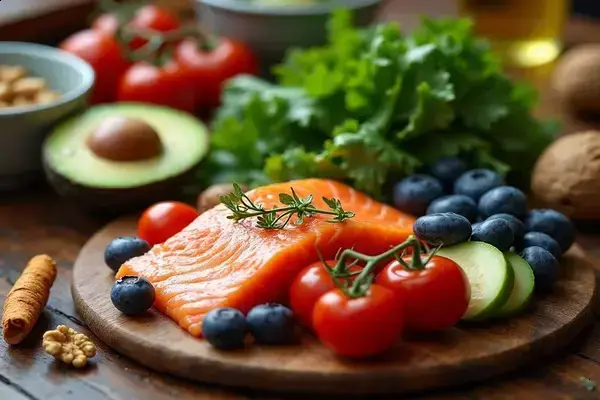
- Healthy Fats: Almond butter, shelled walnuts, roasted pumpkin seeds—not only do these taste great, but they also keep you fuller longer and reduce energy swings.
In practice: you’re dashing from the pool to class, hungry but pressed for time. Instead of grabbing a sugar-loaded bar, you toss together a snack bag at home—wholegrain rice cakes, a cheese stick, and a mini pouch of almonds. By midday, your energy and mood are still steady. That’s functional snacking.
💡 Pro Tip: Pair a source of complex carbs with protein and a bit of fat. This triple threat slows digestion, curbs cravings, and keeps blood sugar stable—recommended by the Sports, Cardiovascular, and Wellness Nutrition (SCAN) dietetic practice group from the Academy of Nutrition and Dietetics.
| Type | Best Food Sources | Key Benefit |
|---|---|---|
| Complex Carbs | Oats, sweet potato, whole grain toast | Long-lasting energy, supports stamina |
| Proteins | Greek yogurt, cottage cheese, turkey slices | Muscle repair, keeps you satisfied |
| Healthy Fats | Almond butter, walnuts, pumpkin seeds | Sustained fullness, slower energy release |
The biggest mistake? Grabbing a carb-only snack or protein powder by itself on the go and expecting it to last. What actually works might surprise you…
Quick DIY Snack Recipes Using Everyday Ingredients
Looking for a snack that powers up your workout but doesn’t require a chef’s skill? Here’s the thing: you don’t need exotic superfoods or hours in the kitchen. You need practical, fast recipes built from what’s already in your pantry—so prepped snacks won’t slow you down or eat up your energy.
- Oatmeal Energy Balls (10 min): Mix rolled oats, natural peanut butter, honey, chia seeds, and mini dark chocolate chips. Roll into small balls and chill for 10 minutes.
- Greek Yogurt Parfait (5 min): In a bowl, layer plain Greek yogurt, mixed berries, a drizzle of honey, and a sprinkle of granola or walnuts.
- Almond Butter Banana Bites (3 min): Slice a banana into coins, spread a dollop of almond butter on each, then top with seeds or cocoa nibs.
- Hummus & Veggie Wraps (7 min): Lay a whole wheat tortilla, smear on a generous spoonful of hummus, add shredded carrots and baby spinach, roll, and slice into snackable rounds.
- Tuna Rice Cakes (5 min): Top brown rice cakes with a scoop of canned tuna (in water), a dab of Greek yogurt, and black pepper.
- Prep time: All under 10 minutes
- No stove or oven needed
- Every ingredient easily found at regular grocery stores
💡 Pro Tip: Double up your snack prep on rest days and store portions in clear containers in your fridge—you’ll avoid impulse junk food and always have smart fuel ready. The Academy of Nutrition and Dietetics recommends prepping in advance to support consistent eating patterns and athletic recovery.
In practice: imagine a teenage swimmer prepping oatmeal energy balls with their parents on a Sunday night. By Thursday, that swimmer isn’t reaching for cookies after school—instead, they’re refueling with a high-protein, slow-carb snack that’s waiting in the fridge. Functional, satisfying, and no extra shopping trips required.
And this is exactly where most people make the most common mistake…
Packable Snack Options For Busy Athletes
What’s the one thing separating pros from weekend warriors when routines are packed and energy dips hit? It’s not fancy gear. It’s having portable snacks—ones that actually fit your bag, don’t go mushy, and deliver real nutrition when time is tight. Here’s the truth: picking the right on-the-go fuel can make or break your momentum, whether you’re zipping between work and the gym or hustling to a weekend tournament.
| Snack Type | Pros | Cons |
|---|---|---|
| Homemade Trail Mix | Customizable, shelf-stable, great balance of macros | Can be calorie-dense if not portioned |
| Nut Butter Pouches | Long shelf life, convenient single-serve, no refrigeration | Watch for added sugars or palm oil |
| Hard-Boiled Eggs | High protein, portable, nutrient-rich | Must be kept cold, short storage window |
| Rice Cakes with Tuna Pack | Full meal on the go, low mess | Needs minimal assembly, slightly bulkier |
| Energy Bars (e.g., RXBAR, Larabar, KIND) | Ready to grab, wide variety, labeled nutrition | Some options have excess added sugar or artificial ingredients |
💡 Pro Tip: Always toss snacks in a reusable pouch or leak-proof bento box—according to the Sports, Cardiovascular, and Wellness Nutrition (SCAN) group, visible, organized snacks cut impulse purchases and help busy athletes stick to nutrition goals.
In practice: picture this scenario—a college soccer player hustling from class straight to practice, only a few minutes to spare. Instead of vending machine chips, they reach into their backpack for a homemade trail mix portioned in a snack pouch and a banana. That combo fuels them through drills, keeps cravings at bay, and costs less than a latte. Functional, affordable, portable.
- Choose snacks that don’t crumble or melt in your bag
- Pair carbs and protein for lasting energy between events
- If refrigeration isn’t possible, stick to shelf-stable and vacuum-sealed choices
Small adjustments here set you up for consistent wins. The right habits in place now make everything easier from here.
Fueling Your Fitness Every Day
If you take just one thing from this guide, let it be: snacks are more than filler—they’re real fuel that can power your workouts, sharpen focus, and speed up recovery. You’ve seen how smart timing and simple ingredients turn everyday bites into performance boosters. The journey through healthy snack ideas for athletes fitness proves you don’t need magic foods—just smart planning and consistency.
Before, grabbing snacks may have meant guesswork or settling for what was handy (or honestly, whatever was less messy). Now? You’ve got pro strategies, go-to recipes, and a toolbox of portable options made for your routine. It’s not about doing everything perfectly. It’s about knowing what works for you and using that to show up strong—anytime, anywhere.
Which healthy snack will you prep or pack first for your next workout? Share your choice or your best snack hack in the comments!

Jordan Blake Harrison is a fitness enthusiast and workout planner dedicated to helping everyday people build consistent exercise habits that actually last. With a passion for practical training plans, honest nutrition guidance, and printable fitness tools, Jordan built this blog to give real people everything they need to get fit and stay motivated — without the overwhelm.