Ever rolled out of bed, tried to walk downstairs, and realized your legs feel like they’ve run a marathon—except it was just yesterday’s workout doing the talking? If you have, you’re smack in the middle of what trainers and athletes know as DOMS, or delayed onset muscle soreness, and wow, it doesn’t exactly ask for permission before showing up.
That deep, lingering ache can make everything—from tying your shoes to picking up your kids—a whole ordeal. And honestly? Not knowing if it’s a sign you overdid it or if you’ll be limping for days only makes it more frustrating. Too many people end up skipping the gym out of fear or just sheer discomfort.
Here’s the thing: by the time you finish reading, you’ll know exactly what DOMS delayed onset muscle soreness is, when to worry, and the smartest ways to manage the pain. You’ll even pick up a few tricks to stop that soreness before it starts. Ready to finally take control of recovery? Dive in.
What Triggers DOMS And Why It Happens
Ever felt that dull, stubborn ache two days after finally pushing yourself on leg day? That’s DOMS — delayed onset muscle soreness — and it’s not just bad luck. But what actually sparks this frustrating muscle misery, and why does it seem to hit you when you least expect it?
DOMS is most commonly triggered when your muscles do something they’re not used to — think trying a new type of workout, increasing your weights, or even just adding a few extra flights of stairs to your walk. This effect is strongest with “eccentric” movements, where your muscle lengthens while under tension (like the lowering part of a bicep curl or walking downhill). Tiny microtears form as a result, and your body launches a cascade of repair and inflammation to rebuild stronger muscle fibers.
💡 Pro Tip: According to the American College of Sports Medicine, DOMS is not a sign of a “bad” or unsafe workout — but it does show your body is adapting to new demands. Gentle recovery is usually best.
Picture this scenario: You usually jog at an even pace but join a friend for a HIIT class. The next day you walk fine, but by midday your thighs feel tight. On day two, it aches to sit. That lag is because the inflammatory response — a central driver of DOMS — takes time to peak, typically 24 to 72 hours post-exercise. It’s proof your muscles are busy repairing and growing, but it can be intensely distracting.
| Trigger | How It Happens | Who’s Most Affected |
|---|---|---|
| New Activities | Unfamiliar moves cause more muscle damage | Beginners, returners |
| Eccentric Exercise | Lengthening contractions stress fibers | Runners, lifters |
| Intensity Increases | Heavier weights or longer sessions | Anyone leveling up |
Experts emphasize that DOMS isn’t exactly the same as regular muscle fatigue or injury pain. The European College of Sport Science notes that true DOMS is delayed, bilateral, and feels most intense with movement, not at rest. Still, if you ever experience sharp, localized pain or swelling that doesn’t resolve, it’s worth consulting a licensed healthcare professional — just to rule out actual injuries.
But there’s one detail most people completely overlook until it’s too late…
Recognizing Normal Vs. Worrisome Muscle Soreness
How do you know if the soreness you’re feeling is just ordinary DOMS—or the red flag kind of pain you shouldn’t ignore? Most people just shrug and wait it out, but that isn’t always smart. DOMS (delayed onset muscle soreness) is usually predictable, but not every ache is safe to brush off.
Here’s what sets “regular” post-exercise soreness apart: it feels dull or stiff, starts within 12 to 48 hours, affects both sides of the body equally, and gradually fades over the next few days. You’ll notice it’s worst with certain movements (like sitting down or walking downstairs), not when you’re resting.
⚠️ Important Warning: According to the American Academy of Orthopaedic Surgeons, pain that is sharp, sudden, swelling excessively, involves unusual bruising, or causes weakness or numbness deserves a call to your medical provider. Don’t gamble with injuries—play it safe.
In practice: imagine you did a tough squat workout. By the next evening, your thighs ache when you stand from a chair—but there’s no swelling, no “snap” sound, and you can walk just fine, if a bit wobbly. That’s classic DOMS. But let’s say a deep, stabbing pain hits one knee, or you can’t straighten your arm, or there’s visible swelling—these are signs to take seriously.
- Normal DOMS: symmetrical, dull ache, fades with time.
- Worrisome signs: acute/sharp pain, swelling, unusual bruising, persistent inability to use the muscle, joint instability.
- Duration: DOMS fades within 3-7 days, injuries or more severe issues may last longer or worsen.
| Type of Soreness | Key Signs | Typical Duration |
|---|---|---|
| Normal DOMS | Stiffness, dull pain, no swelling | 1–5 days |
| Muscle Strain | Sharp pain, swelling, bruising | 7+ days |
| Serious Injury | Severe pain, popping sound, loss of function | Varies, sometimes requires treatment |
And honestly? Knowing the difference doesn’t just spare you anxiety—it may actually prevent long-term setbacks. The Centers for Disease Control and Prevention recommend erring on the side of caution; if you’re ever unsure, reach out to a healthcare professional for advice.
What actually works to bring relief might surprise you…
Simple At-Home Relief That Actually Works
Isn’t it wild how a good workout can leave you feeling like you’ve aged fifty years overnight? When DOMS strikes, you want real relief—not mystifying “hacks” or unproven gimmicks. So, what actually helps your sore muscles recover at home?
- Start with gentle movement instead of total rest. Walking, casual cycling, or stretching increases circulation, speeding the removal of metabolic waste from muscle tissue. It might sound counterintuitive, but the American College of Sports Medicine stands by this advice.
- Apply cold packs in the first 24 hours to numb severe soreness or swelling. After that, switch to warm compresses or a warm bath to promote blood flow and speed repair.
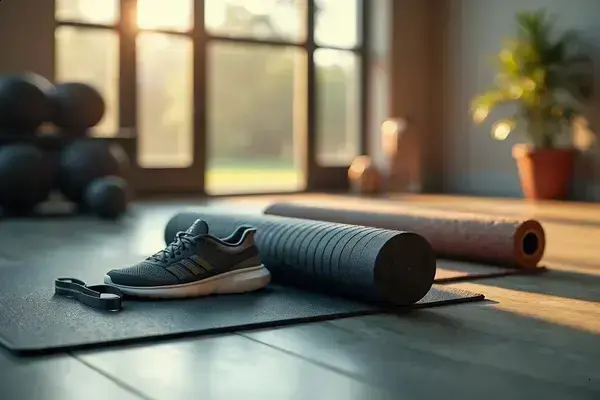
- Try foam rolling (self-myofascial release). Move slowly over sore areas for 30-60 seconds; it’s uncomfortable at first, but it lessens stiffness noticeably by helping fascia relax.
- Don’t skip hydration and quality nutrition. Water, proteins, and a balance of micronutrients like potassium and magnesium keep your body repairing efficiently—don’t overlook this step if you want true recovery.
- For spot relief, consider topical creams formulated for post-workout use. Look for those containing menthol, camphor, or arnica (just double-check any skin sensitivities first).
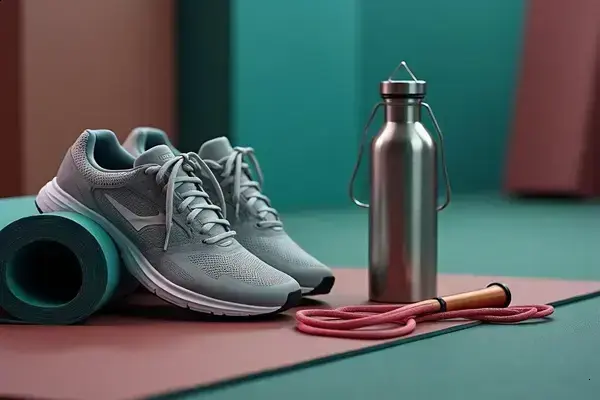
- Required items: ice pack or cold gel, heating pad or bath, foam roller or massage stick, water bottle, recovery cream, stretching/yoga mat.
💡 Pro Tip: For stubborn DOMS, alternate between 10 minutes of cold and 10 minutes of gentle heat. Many physical therapists use this contrast therapy to keep swelling at bay while relaxing sore muscles at home.
Picture this scenario: After an epic hike, you wake up groaning just to get out of bed. Instead of collapsing on the couch, you grab your foam roller and target those quads for a couple of minutes. Then it’s a warm shower, a protein-rich breakfast, and a brisk walk with the dog. By the next day? You’re moving better—no magic required, just science-backed basics.
Of course, if pain is severe, or isn’t improving, check in with your healthcare provider before trying other treatments. And this is exactly where most people make the most common mistake…
When To Rest And When To Keep Moving
Should you power through muscle soreness, or drop everything for a full rest day? This one question trips up beginners and veterans alike. Getting it right makes all the difference between progress and painful setbacks.
Here’s the thing: rest and movement both play vital roles, but it depends on intensity, symptoms, and your goals. The National Strength and Conditioning Association explains that low-level activity (like walking or stretching) increases circulation, eases stiffness, and actually accelerates DOMS recovery. But if pain is sharp or you notice swelling, that’s the moment to pause.
💡 Pro Tip: If you can move the sore muscle with mild discomfort—not wincing or limping—you’re usually safe to stay active. If you’re guarding the area or compensating, that’s a sign to scale back.
- Assess the severity: Is it dull, bilateral, and fades with gentle movement? That’s green-light DOMS.
- Look for red flags: swelling, redness, or inability to bear weight means take a break and monitor closely.
- On mild days: opt for “active recovery”—swimming, yoga, or cycling at low intensity speed healing without causing new damage.
- Alternate: heavy lifting or HIIT with light sessions and true rest at least 1-2 days per week.
- Always listen to your body: fatigue that worsens with activity means your muscles haven’t finished repairing.
- Active recovery: brisk walking, gentle yoga, easy bike rides, swimming
- Passive rest: napping, relaxation, deep breathing, extra hydration
- Avoid: repeating the exact workout targeting already sore muscles until full recovery
In practice: you finish a tough upper body workout and your arms ache the next day. A gentle walk, some easy stretching, and skipping direct arm work gives your body a chance to bounce back—by your next lifting session, the soreness is gone and performance is better. This balancing act—scientifically called periodization—helps even pros maximize gains while keeping injury risk low (as shown by the American College of Sports Medicine in its exercise programming guidelines).
| State | Best Approach | Warning Signs |
|---|---|---|
| Mild DOMS | Active recovery, gentle movement | None |
| Moderate Soreness | Mix of rest and light activity | Persistent fatigue |
| Severe/Localized Pain | Full rest, consult professional | Swelling, loss of function |
And this is exactly where most people make the most common mistake…
Preventing DOMS On Future Workouts
If you’ve ever promised yourself, “Next time, I won’t let DOMS slow me down,” you’re not alone. The truth is: a little preparation goes a long way to minimize soreness and keep you on track for your goals. So—how do you actually prevent those stubborn aches after your next tough session?
- Warm up for at least 7-10 minutes before intense exercise. Gentle cardio and dynamic stretching improve muscle elasticity and gradually dial up blood flow, reducing the risk of microtrauma.
- Progress gradually. The American College of Sports Medicine recommends no more than a 10% jump in training volume, intensity, or duration per week. Skipping slow progress is the fastest way to wind up too sore to move.
- Prioritize good form over heavier weights or complex routines—especially with new or eccentric exercises. Form breaks cause unintentional overload in the wrong areas, setting DOMS up before the workout is even finished.
- Always include a cool-down. Gentle stretching and slow, mindful movement at the end bring your heart rate and muscles back to baseline, easing recovery.
- If you’re trying something totally new—a bootcamp, hill sprints, or heavy deadlifts—plan for extra recovery time or split your new routine across several days.
💡 Pro Tip: Add regular self-massage or foam rolling to your weekly regimen. Research in the Journal of Athletic Training found that 20 minutes of foam rolling after exercise can cut later muscle soreness by up to 30%.
In practice: picture this scenario—you’re starting a strength training program after mostly walking for months. Instead of jumping into five sets of squats at max weights, you start with bodyweight moves and perfect your form. Each week, you gently increase the intensity, and always follow with a light jog or stretch. The result? You make consistent progress without feeling like you’ve wrestled a bear every Monday morning.
| Prevention Step | Typical Impact | Best For |
|---|---|---|
| Dynamic Warm-Up | Reduces injury, prepares muscle tissue | All fitness levels |
| Gradual Progress | Lessens soreness, boosts adherence | Beginners, returners |
| Foam Rolling | Eases tightness post-workout | Anyone training repeatedly |
Small steps, repeated consistently, make the biggest difference over time.
Your Next Workout Just Got Smarter
If you take just one thing from this guide, let it be: understanding and managing DOMS delayed onset muscle soreness is about listening to your body, pacing changes, and using smart recovery—not pushing through pain blindly. Learning why DOMS happens, how to tell normal from worrisome soreness, and how to relieve and prevent it means fewer missed workouts and a lot more progress.
Before, sore muscles might’ve felt like punishment or a mystery. Now, you can spot the difference, bounce back faster, and avoid the common traps that slow everyone else down. You’re ready to train harder, recover smarter, and actually enjoy it this time.
What’s your personal go-to for soothing sore muscles—or do you have a favorite move for keeping soreness at bay? Share what works for you in the comments!

Jordan Blake Harrison is a fitness enthusiast and workout planner dedicated to helping everyday people build consistent exercise habits that actually last. With a passion for practical training plans, honest nutrition guidance, and printable fitness tools, Jordan built this blog to give real people everything they need to get fit and stay motivated — without the overwhelm.