Ever felt worse after skipping workouts on your rest days—like your muscles are stiffer and recovery actually takes longer? It can feel backward, but sitting on the couch all day often leaves your body sluggish instead of recharged. You might be surprised: real recovery isn’t always about doing nothing.
Sticking with pure rest sounds relaxing, but the next morning you wake up tight, maybe even a bit more achy than before. The truth is, total inactivity can actually slow down muscle repair, mess with mood, and leave you dreading your next training session. If you’re tired of wasting your precious off days and seeing no real progress, you’re not alone.
By the end, you’ll finally know how to use rest day exercises active recovery as a secret weapon for faster healing and continually better results—minus the burnout. Ready to give your recovery days an upgrade you can feel? Good, let’s dive in.
Why Active Recovery Beats Total Rest On Your Off Days
Ever wonder why your muscles sometimes feel stiffer after a total day off than after a tough workout? Here’s the thing: true recovery isn’t just lying still, it’s about promoting blood flow and gentle movement that helps your body repair—faster and smarter.
Active recovery means using low-intensity activities to reduce muscle soreness and jump-start circulation. Things like walking, easy cycling, or gentle yoga counteract the tightness and sluggishness that tend to come with full inactivity. According to the American Council on Exercise (ACE), incorporating active recovery can significantly accelerate the removal of metabolic waste and decrease post-workout fatigue compared to just sitting on the couch.
💡 Pro Tip: Twenty minutes of brisk walking or foam rolling on your off days does more for muscle repair than total rest ever could. Research from the National Strength and Conditioning Association highlights that just this small effort keeps your body primed for performance.
Why does this matter so much? When you totally shut down, your muscles cool, joints stiffen up, and lymphatic drainage slows. By contrast, gentle movement maintains flexibility and keeps your energy levels up without sabotaging your recovery goals.
Picture this scenario: you’ve hit the gym hard all week and decide to binge a series on your rest day—barely moving from the couch. The next day, you feel oddly drained, maybe even more sore. Now imagine swapping in an easy 30-minute swim or casual hike. You finish refreshed, less achy, and mentally ready for the next session. That mild activity is the golden gap between burnout and steady progress.
| Method | Best For | Level of Effort |
|---|---|---|
| Active Recovery | Improved mobility, reduced soreness | Low |
| Total Rest | Extreme fatigue, illness, injury | None |
| Light Stretching | Muscle relaxation, flexibility | Very Low |
The World Health Organization recommends at least 150 minutes of light-to-moderate movement weekly—even on non-training days—for overall health. Of course, if you’re dealing with injury, always consult a qualified health professional before starting or modifying your rest day routine.
And this is exactly where most people make the most common mistake…
Simple Movements To Help Muscles Heal Faster
Which simple movements truly make a difference during active recovery—and why do some seem to work better than others? The truth is, your rest day doesn’t have to be boring or complicated. There’s a science-backed sweet spot between overdoing it and doing nothing at all. Small actions can spark big improvements in the way you feel tomorrow.
- Walking: A gentle walk for 20–30 minutes increases blood flow, loosens tight muscles, and can help flush out lactic acid. According to the Mayo Clinic, it’s one of the easiest ways to support muscle repair—no gym or fancy gear required.
- Foam Rolling: This technique, known as self-myofascial release, helps decrease soreness and break up tight tissue. It feels awkward at first, but a few slow rolls over major muscle groups can work wonders in 10–15 minutes.
- Dynamic Stretching: Unlike static stretching, these flowing movements gently activate your joints and warm up your ligaments. Try arm circles, hip swings, or gentle lunges for 5–10 minutes.
- Swimming: The buoyancy from water reduces impact on tired legs while giving your entire body a chance to move fluidly. Even light laps or aqua jogging support circulation and joint hydration.
- Yoga or Mobility Drills: Choose slow-paced routines focused on deep breathing and gentle holds. A 20-minute yoga flow can ease stiffness and promote flexibility. Research from the American College of Sports Medicine supports this for all fitness levels.
💡 Pro Tip: Pair foam rolling with slow dynamic stretches right after your walk for a double boost. You’ll speed up muscle healing and feel looser heading into your next session.
In practice: imagine you’re sore from a heavy lower-body day. Instead of crashing on the sofa, you grab a resistance band and do light glute bridges and ankle circles while watching TV. The next day? Bouncing back feels way easier—minimal stiffness and more energy for whatever comes next.
- Start with 10–15 minutes of brisk walking.
- Spend 5 minutes foam rolling large muscle groups (quads, hamstrings, upper back).
- Perform 5–7 minutes of dynamic stretching (arm swings, hip openers, ankle circles).
- Add 5–10 minutes of gentle yoga or guided mobility routines.
- Finish with deep breathing—slow inhales and exhales for relaxation.
What actually works might surprise you…
How To Build The Perfect Rest Day Routine
What if you could finish your rest day actually feeling recharged instead of just…less tired? Building the perfect rest day routine isn’t about random stretches or scrolling TikTok between snacks—it comes from a practical, intentional structure.
- Assess Your Recovery Needs: Take a couple minutes in the morning to check soreness levels and energy. Are your legs heavy? Is your upper body stiff? This sets the tone for what movements you’ll include.
- Start With Light Movement: Nothing fancy—just 10–20 minutes of brisk walking, bike spinning, or gentle elliptical. This boosts blood flow and gets your head back in the game without draining your tank.
- Foam Rolling & Self-Massage: Grab your foam roller or massage gun for 5–10 minutes on areas that need it most (think: quads, hamstrings, upper back). According to the National Academy of Sports Medicine, this step can dramatically reduce muscle tightness post-exercise.
- Dynamic Mobility Work: Perform fluid, low-impact drills (such as hip openers, arm circles, cat-cow flows). Not only does this promote joint health, but it also stops you from stiffening up before your next training block.
- Nourishment & Hydration: Don’t let your nutrition slip just because you’re off. Lean proteins, anti-inflammatory foods (like berries and leafy greens), and at least 2 liters of water are non-negotiable. Rebuilding is ongoing—rest day or not.
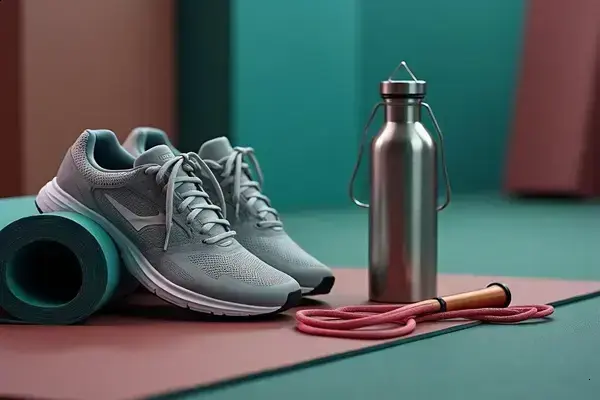
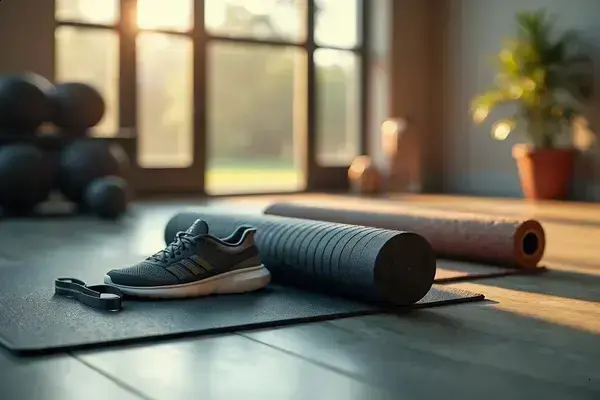
- Foam roller
- Yoga mat
- Resistance band
- Comfortable sneakers
- Reusable water bottle
💡 Pro Tip: Schedule your rest day routine just like a workout. Set a reminder, lay out your gear, and block off a specific time window. According to the American Council on Exercise, treating recovery as a real appointment increases follow-through and boosts long-term results.
In practice: think of Katie, a software developer and weekend runner. She used to “rest” by doing nothing at all. Now, she spends 45 minutes every Sunday morning doing her recovery routine—walk, foam roll, mobility, and a hydration check-in. By Monday, she’s ready for anything her training plan throws at her.
But there’s one detail most owners completely overlook until it’s too late…
Mistakes Most People Make With Active Recovery
Why do so many people try active recovery—and then end up frustrated, sore, or barely noticing any benefit? Here’s the thing: even with good intentions, common mistakes can actually slow your results or leave you feeling worse on rest days.
- Pushing Too Hard: One of the biggest issues is treating active recovery like another workout. If your heart rate is spiking or muscles feel spent, it’s no longer recovery—it’s just more stress.
- Skipping Movement Altogether: Total inactivity is another trap. Remember, the point is to encourage healing, not just avoid effort. Sitting all day doesn’t reset your system; it lets tension build up.
- Ignoring Nutrition and Hydration: Even the best recovery routine suffers if you forget to fuel up. According to Harvard Health Publishing, rebuilding muscle and reducing inflammation requires quality protein, omega-3s, and plenty of water.
- Focusing Only on One Area: It’s tempting to foam roll or stretch just what’s sore, but skipping full-body mobility or light cardio misses out on holistic benefits.
- Lack of Consistency: Doing active recovery once every few weeks? You won’t see real results. The American Council on Exercise recommends incorporating these strategies after each intense workout for the biggest payoff.
⚠️ Important Warning: If you feel sharp pain, dizziness, or true exhaustion, stop immediately—these are signs you may need full rest or a check-in with a professional. Always prioritize your health over your routine.
Picture this scenario: someone rolls out of bed the morning after leg day, thinking a 5-mile run will loosen things up. By mile three, their knees ache, recovery stalls, and motivation tanks. The sweet spot is being honest about what your body needs—not what your ego wants.
| Mistake | Consequence | Fix |
|---|---|---|
| Too intense | Increased soreness and fatigue | Stay at or below 60% effort |
| Not hydrating | Slower muscle repair, cramps | Drink fluids throughout rest day |
| One-and-done | No adaptation or improvement | Repeat after every hard workout |
And this is exactly where most people make the most common mistake…
When To Skip Exercise And Truly Rest Your Body
So, when is active recovery just not enough—when should you actually skip movement and commit to full rest? Knowing the difference can make or break your long-term progress and health. The last thing you want is to turn a minor ache into something more serious just because you felt pressured to move.
- Acute Illness: If you’ve got a fever, chills, or any contagious bug, your immune system needs all the energy it can get. Active recovery is out. The Centers for Disease Control and Prevention advises total rest until symptoms clear and you’ve had at least 24 hours fever-free without medication.
- Injury or Severe Pain: That sharp twinge in your knee or sudden pull in your lower back? Don’t push through—rest, ice, compress, and elevate (R.I.C.E.) as needed. Seek guidance from a physical therapist or healthcare provider before attempting movement.
- Extreme Fatigue or Burnout: If sleep isn’t touching your exhaustion, or if you feel mentally foggy and physically sluggish for days, pushing through can make it worse. The World Health Organization points out that true rest, psychological and physical, is crucial for recovery from chronic fatigue and overtraining.
- Post-Procedure Recovery: After surgery or major dental work, your doctor will give you specific activity restrictions. Always follow medical guidance completely—no exceptions.
| Situation | Active Recovery? | Full Rest? |
|---|---|---|
| Mild muscle soreness | Yes | No |
| Fever/illness | No | Yes |
| Sharp or radiating pain | No | Yes |
| General tiredness | Yes | No |
| After medical procedure | No | Yes |
⚠️ Important Warning: If you’re ever unsure whether to move or rest, consult a qualified healthcare professional. Trust your body’s signals, not just your fitness tracker.
In practice: imagine you wake up with a pounding headache and body aches—your plan was a gentle walk, but you can barely sit up. Giving yourself permission to skip the session (without guilt) is a sign of wisdom, not weakness. In fact, honoring full rest now means you’ll recover faster and get back to training stronger than if you tried to push through.
Small steps, repeated consistently, make the biggest difference over time.
Your Best Rest Days Start Now
If you take just one thing from this guide, let it be: real recovery isn’t about doing nothing — it’s about moving smart and listening to your body. Building active rest into your week speeds up healing, prevents burnout, and keeps results coming. Remember, your rest day exercises active recovery approach is what sets you up for faster, stronger gains.
You might’ve started out dreading rest days or feeling lost about what to do. Now, you know exactly how to bounce back quicker — with gentle movement, smart routines, and by avoiding the big mistakes. Suddenly, even your off days work for you. It gets easier every time.
What’s your go-to active recovery move, or is there a tip you’re excited to try first? Share your answer in the comments — let’s help each other get better, one rest day at a time!

Jordan Blake Harrison is a fitness enthusiast and workout planner dedicated to helping everyday people build consistent exercise habits that actually last. With a passion for practical training plans, honest nutrition guidance, and printable fitness tools, Jordan built this blog to give real people everything they need to get fit and stay motivated — without the overwhelm.