Picture this: you’ve had a tough week and your body just feels… off. Joints ache, energy’s down, and you can’t quite shake that sluggish fog. It’s not just aging—chronic inflammation could be the sneaky culprit.
When you ignore what your body’s really telling you, minor pains can snowball into bigger health issues. The truth is, living with constant discomfort wears you down—not just physically, but mentally too. It chips away at your day-to-day joy and keeps you from living fully.
But here’s the thing: by the time you finish reading, you’ll have a practical anti inflammatory foods list to help ease pain, speed recovery, and actually enjoy your meals along the way. Ready to finally turn the page on inflammation?
What Is Inflammation And Why Does It Matter?
Why does your knee ache after a run, or your joints throb when the weather turns cold? Most people chalk it up to “getting older”—but what’s really happening is a process called inflammation. Understanding this body response is the first step to unlocking real relief.
Inflammation sounds like a medical buzzword, but it’s your body’s natural defense—often triggered by an injury, illness, stress, or even what you eat. Short-term (acute) inflammation actually helps you heal, sending armies of immune cells to fight off invaders and repair tissue damage. That’s the redness, swelling, or warmth you notice after twisting an ankle or catching the flu.
💡 Pro Tip: According to the National Institutes of Health (NIH), chronic inflammation—when your immune system stays switched on for months or years—can quietly damage organs and tissues, raising your risk for conditions like heart disease, diabetes, arthritis, and autoimmune disorders. Catching and managing it early helps protect your long-term health.
How Inflammation Works: The Science, Simply
Picture this scenario: you stub your toe hard on the corner of your bed. Within minutes, your body rushes blood and fluid to the area, and it balloons up. That swelling? It’s immune cells repairing tissue. Pretty smart, right?
- Acute inflammation (short-term): Rapid, targeted, fades as the injury heals. Example: sprained ankle, sore throat.
- Chronic inflammation (long-term): Low-level, persistent, often invisible—can continue even after the real danger is gone.
The real trouble starts when inflammation isn’t just a reaction to obvious injuries. Sometimes, it lingers because of ongoing stress, excess body fat, smoking, or even a steady diet of processed foods. That’s when symptoms like brain fog, fatigue, and random aches appear—and ignore your calendar, because it can start at any age.
| Type | Duration | Effects |
|---|---|---|
| Acute | Hours to days | Heals wounds, fights infection |
| Chronic | Months to years | Leads to ongoing pain, increases disease risk |
In practice: A 42-year-old office worker starts feeling tired and achy all the time—even without major injuries. Blood tests show markers of chronic inflammation, and her doctor flags her high-sugar snack habits and lack of exercise as key contributors. Small lifestyle tweaks, including more anti-inflammatory foods, show measurable improvement in just weeks.
Harvard Medical School highlights inflammation as the root of many modern diseases, emphasizing prevention—small diet changes can yield surprising long-term results. But there’s one detail most people completely overlook until it’s too late…
Top Anti Inflammatory Foods You Should Know
If you’re trying to make changes that actually soothe inflammation—not just mask it—you need to know which foods fight back. Supermarket aisles are packed with choices, but a handful of anti-inflammatory stars stand out for both science and flavor. Curious which ones make the cut?
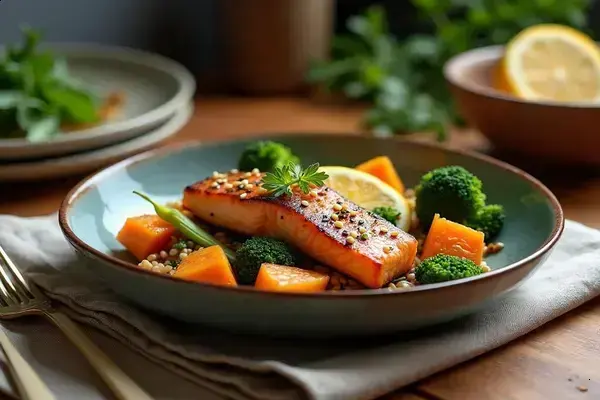
- Fatty Fish – Salmon, mackerel, sardines, and anchovies are loaded with omega-3 fatty acids. Research published by the American Heart Association shows these healthy fats help reduce the production of inflammatory molecules known as cytokines.
- Berries – Blueberries, strawberries, and raspberries are tiny powerhouses. Their deep hue comes from anthocyanins: antioxidants that block inflammation pathways and boost your immune defenses.
- Leafy Greens – Spinach, kale, and Swiss chard bring vitamin E, folate, and fiber to the table—all proven inflammation fighters, according to Harvard’s School of Public Health.
- Nuts & Seeds – Almonds, walnuts, chia seeds, and flaxseed provide healthy fats and plant compounds that lower inflammatory markers. Just a small handful works wonders.
- Olive Oil – Extra virgin olive oil boasts oleocanthal, which acts like natural ibuprofen. It’s a staple of the Mediterranean diet, long linked to lower rates of chronic disease.
- Turmeric – A golden spice containing curcumin, shown in NIH clinical reviews to slow down joint pain, stiffness, and even cellular signs of inflammation.
💡 Pro Tip: Combining several of these foods daily multiplies benefits—like adding blueberries and walnuts to Greek yogurt or drizzling olive oil on spinach salad. The Nutrients Journal reports synergy matters more than any single food alone.
| Food | Key Compound | Anti-Inflammatory Power |
|---|---|---|
| Salmon | Omega-3 (EPA/DHA) | Reduces inflammatory markers |
| Blueberries | Anthocyanins | Blocks inflammation pathways |
| Olive Oil | Oleocanthal | Acts as natural pain reliever |
In practice: A busy mom swaps her usual lunchtime sandwich for a colorful bowl—baby spinach, grilled salmon, fresh berries, and a sprinkle of flax. She notices less joint soreness (and more energy) within a month. These subtle shifts go further than most supplements or trendy “detox” kits, and they fit right into everyday life.
What actually works might surprise you…
Everyday Ways To Add Anti Inflammatory Foods To Your Meals
How do you turn those lists of healthy foods into meals your family will actually eat—and crave? It’s easier than you think. Many anti inflammatory foods slip perfectly into dishes you already know how to make. The real trick is building habits around them until they feel automatic.
- Start Your Day Right: Top oatmeal or Greek yogurt with blueberries and a sprinkle of flaxseed. Takes two minutes, delivers lasting fiber and antioxidants.
- Salad, Reinvented: Swap iceberg for baby spinach, add a handful of walnuts, dress with extra virgin olive oil and lemon. Bonus points for colorful veggies like bell peppers or tomatoes.
- Upgrade Your Proteins: Choose grilled salmon or sardines twice a week. Not a fish fan? White beans or lentils add plant-based protein and potent polyphenols.
- Clever Snacks: Keep walnuts, almonds, or roasted chickpeas handy for an afternoon boost instead of chips or cookies.
- Spice It Up: Stir fresh turmeric or ginger into soups, stews, or smoothies. A little goes a long way for taste and anti-inflammatory power.
💡 Pro Tip: According to the Arthritis Foundation, meal prepping bowls with anti inflammatory foods—like salmon, dark greens, and berries—ensures you have healthy options all week. Invest in glass containers to keep everything fresh.
- Blueberries in smoothies or as a topping
- Lemon-tahini kale salad for lunch
- Whole grain avocado toast drizzled with olive oil
- Roasted cauliflower tossed with turmeric and black pepper
- Chickpea stew with extra greens
In practice: Imagine your weekday dinner rotation transformed—a warm bowl of turmeric lentil soup on Monday, grilled salmon with spinach and walnuts on Wednesday, and a bright berry parfait to finish the week. Not only do these swaps tame inflammation, but they’re family-friendly and budget-aware, too.
But there’s one detail most owners completely overlook until it’s too late…
Foods And Habits That Can Worsen Inflammation
Ever wondered why your healthy efforts aren’t paying off—or why that nagging pain just sticks around? For many, the real issue isn’t what they’re eating for health, but the foods and habits quietly fueling the fire of inflammation behind the scenes.
- Processed Meats like hot dogs, bacon, and deli slices are loaded with sodium, saturated fat, and preservatives proven to ramp up inflammation. Studies from the World Health Organization link consistent intake to higher risk for heart disease and certain cancers.
- Refined Carbs—think white bread, pastries, crackers, and sugary cereals—spike blood sugar quickly, causing your body to release more insulin and inflammatory chemicals known as cytokines.
- Fried Foods & Fast Food are a double-whammy: unhealthy oils plus high heat both lead to compounds like advanced glycation end-products (AGEs) that stress your immune system and joints.
| Inflammatory Food | Why It’s Harmful | Health Impact |
|---|---|---|
| Sugary Soda | High in added sugar, spikes inflammation | Weight gain, diabetes risk |
| Processed Meats | Saturated fats, preservatives | Cardiovascular strain |
| White Bread | Refined flour, quick blood sugar spikes | Fatigue, joint pain |
⚠️ Important Warning: According to the Centers for Disease Control and Prevention, poor sleep, chronic stress, and a sedentary lifestyle can amplify the negative effects of these foods—making dietary upgrades less effective if those habits go unaddressed.
In practice: Picture this scenario: a busy executive snacks on energy bars, skips vegetables, and unwinds with late-night fast food. Despite taking “wellness” supplements, they wake sore, sluggish, and swollen most mornings. A simple shift—swapping sodas for herbal tea, and using whole grain bread—begins to reduce stiffness and boost clarity in just a few weeks.
- Soda replaced with water, seltzer, or unsweetened teas
- Regular movement breaks (even 5 minutes at a time) to offset sitting-intensive workdays
- Mindful stress relief, like deep breathing, to prevent cortisol-driven inflammation
And this is exactly where most people make the most common mistake…
Building Your Personal Anti Inflammatory Action Plan
Ready to take what you’ve learned and actually change how you feel—step by step? A personal anti inflammatory action plan bridges the gap between “good intentions” and seeing real results in your daily life. The payoff? Less pain, faster recovery, and even more energy for the things you love.
- Assess Your Current Habits: Spend three days jotting down what you eat, drink, and how you move. Don’t judge—just observe. Awareness is the foundation for any lasting change.
- Highlight Swaps and Upgrades: Identify top inflammatory triggers—maybe it’s white bread, processed snacks, soda. Mark one daily swap (like whole-grain toast instead of white) and commit to it for a week.
- Stock Up With Purpose: Fill your pantry with the essentials: wild-caught salmon, leafy greens, berries, walnuts, turmeric, and olive oil. Post your “go-to” list on your fridge for easy reference.
- Meal Prep For The Win: Block 60 minutes each week to prepare core anti-inflammatory dishes—think pre-chopped greens, roasted veggies, simple proteins. Use glass storage containers to keep food fresh and ready.
- Track, Reflect, Adjust: Set a weekly reminder to review: How’s your pain level? Are your joints less stiff? Tweak your choices as you see what works for you and your routine (not what’s trendy).
💡 Pro Tip: The Cleveland Clinic recommends working with a registered dietitian or certified health specialist for customized guidance—especially if you have chronic health conditions or are on medication. Personalized plans always outperform “one size fits all.”
In practice:
Picture this scenario: A recently retired teacher, tired of knee pain and afternoon crashes, builds her plan using the steps above. Small adjustments—having a batch of wild rice and roasted sweet potatoes in the fridge, swapping soda for berry-infused water—add up fast. By month’s end, she feels lighter, less achy, and more capable tackling everyday errands. Progress is real, and now she’s invested in keeping it going.
| Action Step | Why It Matters | How To Track |
|---|---|---|
| Add Greens Daily | Reduces inflammation baseline | Check off in meal log |
| Limit Processed Food | Cuts recurring flare-ups | Review snacks in pantry weekly |
| Prioritize Omega-3s | Improves joint comfort | Note servings of fish/nuts eaten |
The right habits in place now make everything easier from here.
Pain Relief Starts In Your Kitchen
If you take just one thing from this guide, let it be: the right anti inflammatory foods list can completely shift how you feel, move, and recover each day. Eating more salmon, berries, leafy greens, and swapping out inflammatory choices puts you in control. Making small, consistent tweaks really does matter.
Maybe before, every meal felt like a question mark—painful joints, stubborn fatigue, or missing out on activities you love. Now, you know the swaps that make a real difference. Life can feel lighter, meals more joyful, and recovery faster than you’d ever expect. It’s not about perfect meals—it’s about progress. You can do this.
Which anti inflammatory food or habit are you excited to start with? Share your plan in the comments—someone else might need your idea, too!

Jordan Blake Harrison is a fitness enthusiast and workout planner dedicated to helping everyday people build consistent exercise habits that actually last. With a passion for practical training plans, honest nutrition guidance, and printable fitness tools, Jordan built this blog to give real people everything they need to get fit and stay motivated — without the overwhelm.