You finish your last set, feeling the satisfying burn—that post-workout exhaustion that says you gave it everything. But here’s the thing: what you eat next could make all the difference in how fast you recover and get stronger.
Plenty of folks just grab the nearest snack or skip food altogether, then wonder why their muscles ache for days and progress stalls. It’s frustrating to watch hard work disappear into soreness and fatigue because your recovery nutrition isn’t dialed in.
If you stick with me, you’ll know exactly which best foods for muscle recovery speed up the healing process, keep soreness in check, and help you come back stronger for the next workout. Ready to discover what really works?
Why Muscle Recovery Matters More Than You Think
Ever found yourself still aching from a workout three days later — and wondered if that means you’re getting stronger, or just setting yourself up for burnout? The truth is, muscle recovery isn’t a luxury for professional athletes. It’s the foundation that lets everyday people see results, avoid injury, and actually enjoy progress from all that effort in the gym.
Your muscles experience micro-tears whenever you push them through resistance or endurance training. These tiny tears are necessary for muscle growth (that’s the adaptation you want), but without proper recovery, your body won’t repair the fibers correctly. Think of it as building on a shaky foundation — you might get bigger, but you’re also stacking up future problems like chronic soreness, plateaus, or even serious injuries.
💡 Pro Tip: According to the American College of Sports Medicine, allowing at least 48 hours between sessions targeting the same muscle groups—while fueling those windows with top recovery foods—optimizes strength and repair.
In practice:
Picture this scenario: You commit to a Monday-Wednesday-Friday weight routine, pounding protein shakes right after lifting. By Thursday, your legs are still rubbery, so you try to ‘push through’ the pain and hit cardio anyway. Result? Progress stalls and that nagging soreness starts to creep from ‘just tired’ toward injury territory. You’re not weak; you’re under-recovered.
| What Happens | With Recovery | Without Recovery |
|---|---|---|
| Muscle Growth | Faster gains, reduced soreness | Plateaus, lingering pain |
| Injury Risk | Lower | High (overuse, strains) |
| Mood & Motivation | Steady or improved | Fatigue, burnout |
Expert groups like the National Strength and Conditioning Association emphasize: when you make smart recovery choices — nutrition, sleep, hydration — you not only build muscle, but protect your long-term mobility and overall wellness.
But there’s one detail most people completely overlook until it’s too late…
How Nutrition Influences Muscle Repair
Ever wondered why some people seem to bounce back from tough workouts almost overnight — while others drag through soreness for days? The truth is, nutrition works behind the scenes in your muscles, deciding how well and how quickly you actually repair and rebuild.
Macronutrients like protein and carbohydrates aren’t just about hitting your daily numbers. Protein supplies amino acids—think of them as building blocks—for patching up those microscopic tears from exercise. Carbs, meanwhile, refill muscle glycogen so you don’t feel wiped out by the next day’s training. Skimp on either and you’ll notice it fast: slower recovery, more muscle aches, increased risk of fatigue.
💡 Pro Tip: A study published by the Journal of the International Society of Sports Nutrition found that eating 20-40 grams of high-quality protein within two hours post-workout jumpstarts the muscle protein synthesis process.
- Protein: Repairs damaged muscle fibers and builds new tissue. Key sources: eggs, Greek yogurt, lean meats, whey protein.
- Carbohydrates: Replenish glycogen reserves used during training. Think sweet potatoes, oats, bananas, brown rice.
- Healthy Fats: Manage inflammation and support hormone balance, both crucial for proper repair. Best picks: salmon, walnuts, olive oil, avocado.
In practice: you wrap up a heavy strength session and reach for nothing but a protein shake. The next morning, your muscles are tender and you’re dragging. Now try this: add a bowl of oatmeal with berries and a drizzle of nut butter—that blend of protein and carbs gets you back on your feet faster (and way less grumpy at your next session).
| Nutrient | Main Function | Best Timing |
|---|---|---|
| Protein | Tissue repair & growth | Within 2 hours post-workout |
| Carbohydrates | Glycogen replenishment | Immediately after exercise |
| Fats | Inflammation control | Spread throughout the day |
Organizations like the Academy of Nutrition and Dietetics stress: quality nutrition isn’t an afterthought — it’s the recovery catalyst that turns training effort into results. What actually works might surprise you…
Top Foods That Speed Up Muscle Recovery
Ever stare blankly at the fridge after a workout, knowing you should “eat for recovery” but not sure what actually works? It’s not just about grabbing protein — the right recovery foods can transform soreness, speed, and your progress over time.
Some foods are backed by science for their powerful support of muscle repair. They’re not exotic or complicated, either. The smartest choices often combine protein, anti-inflammatory nutrients, and natural electrolytes.
- Eggs: Packed with essential amino acids, eggs are a muscle-repair classic. Their yolks also offer Vitamin D, which plays a role in recovery speed.
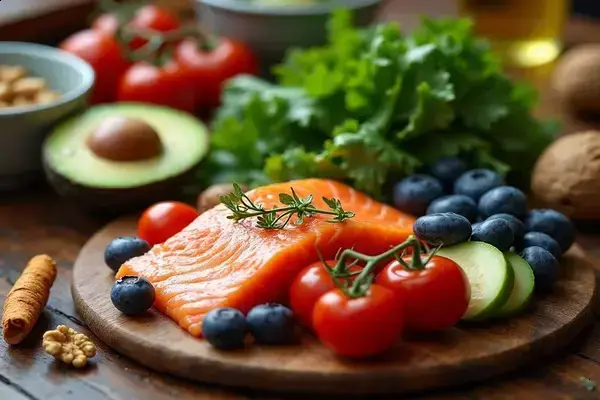
- Salmon: Loaded with omega-3 fatty acids, salmon helps manage inflammation and supports muscle rebuilding — it’s a double win.
- Tart Cherries: Studies show tart cherry juice can reduce muscle soreness and help you bounce back quicker, thanks to antioxidants called anthocyanins.
- Greek Yogurt: With its high leucine content (a key muscle repair amino acid) and fast-digesting texture, Greek yogurt makes a perfect post-gym snack.
- Quinoa: Unlike most grains, quinoa is a complete protein offering all nine essential amino acids, plus magnesium and iron for energy metabolism.
- Sweet Potatoes: Provide complex carbs to replenish spent glycogen and deliver a boost of potassium — crucial for muscle function.
💡 Pro Tip: According to the International Society of Sports Nutrition, combining protein and carb sources (like yogurt with fruit or eggs with toast) maximizes recovery and muscle protein synthesis post-workout.
Picture this scenario:
You finish an intense session and reach for a bowl with sliced hard-boiled eggs, roasted sweet potatoes, and a side of Greek yogurt topped with tart cherries. Compared to chugging just a protein shake, you notice soreness fades faster and your energy level stays high well into the evening.
| Food | Key Benefit | How to Use |
|---|---|---|
| Eggs | Muscle repair, Vitamin D | Eat boiled, scrambled, or as a wrap base |
| Salmon | Anti-inflammation, omega-3s | Grill, bake, or add to salads |
| Greek Yogurt | Leucine, fast absorption | With fruit, granola, or as parfait |
| Tart Cherries | Reduced soreness, antioxidants | Fresh, dried, or blended as juice |
| Sweet Potatoes | Carbs, potassium | Roasted, mashed, or as fries |
| Quinoa | Complete protein, minerals | Cooked as bowl base or side |
And this is exactly where most people make the most common mistake…
What To Eat Right After Training For Best Results
Wondering why you sometimes feel wiped out for hours—or even days—after a tough session at the gym? The answer often boils down to what you eat (and when). There’s a powerful post-workout “window of opportunity” when your body wants fuel for repair and refueling. Capitalizing on this time can make a huge difference in muscle recovery, soreness, and your results.
- Refuel muscle glycogen. As soon as you finish, reach for a fast-absorbing carbohydrate—think a banana, white rice, or a homemade recovery shake with fruit. This helps replenish the energy you just burned off.
- Get a quality protein source. Within 30-60 minutes post-training, aim for 20-40 grams of protein. Whey protein, eggs, or Greek yogurt all deliver the amino acids your muscles need to repair and grow.
- Add anti-inflammatory foods. Pair your protein and carbs with foods that help manage inflammation—blueberries, tart cherry juice, or a sprinkle of turmeric in your smoothie all support this process.
- Don’t ignore hydration. Water is your first choice, but adding a pinch of sea salt or coconut water helps restore lost electrolytes—especially if you sweat a lot.
- Pace your meal. If a large meal feels heavy, go smaller or split your intake into a snack and a meal an hour later. The key is consistency and nutrient density.
💡 Pro Tip: According to the Academy of Nutrition and Dietetics, the combination of both protein and carbohydrates within 30-60 minutes post-exercise consistently outperforms single nutrient strategies for muscle repair and glycogen replacement.
In practice: right after spin class, you toss together a bowl—half brown rice, grilled chicken, steamed broccoli, and a side of berries—plus a glass of water with a pinch of sea salt. Compare that to just skipping food and collapsing on the couch: the difference in your energy and muscle soreness by evening is striking.
- Banana + Greek yogurt parfait
- Grilled chicken and brown rice bowl
- Smoothie with whey protein, berries, and spinach
- Whole-wheat toast with eggs and avocado
- Rice cakes topped with almond butter and honey
But most miss a simple change that can make their recovery plan truly effortless…
Sample Meal Ideas For Faster Recovery
What does a truly effective recovery meal look like? Most people overthink it, but the best ideas are practical, quick, and packed with nutrients that actually move the needle for muscle repair.
Planning your post-workout meals ahead of time keeps you from falling back on bland snacks or high-sugar processed options that slow recovery. Below you’ll find a simple table of meal ideas—each one balances protein, carbs, and healthy fats so you get the muscle-building benefits without extra guesswork.
| Meal | What’s Inside | Why It Works |
|---|---|---|
| Grilled Salmon Bowl | Brown rice, grilled salmon, steamed broccoli, avocado | Combines protein, omega-3s, and complex carbs for repair and inflammation control |
| Egg & Quinoa Power Plate | Boiled eggs, cooked quinoa, cherry tomatoes, feta, olive oil | Complete protein, iron, and vitamin D for energy and rebuilding |
| Chicken Sweet Potato Combo | Chicken breast, roasted sweet potato, sautéed spinach | Leucine-rich protein, potassium, and iron support active recovery |
| Greek Yogurt Parfait | Greek yogurt, blueberries, walnuts, honey | Fast-digesting protein, antioxidants, and healthy fats deliver nutrients when muscles need them |
| Turkey Wrap | Whole wheat wrap, sliced turkey, hummus, arugula | Portable balance of protein and smart carbs keeps muscle soreness at bay |
💡 Pro Tip: Rotate your recovery meals to prevent palate fatigue and cover a wider nutrient range—recommended by the Academy of Nutrition and Dietetics for sustained progress without boredom.
In practice: say you prep a salmon bowl the night before a big leg day. After training, it takes just two minutes to reheat and fuel up. Not only do you reduce the urge to grab sugary bars, but you’re set up for less soreness and more energy the next morning.
- Keep pre-portioned ingredients (like boiled eggs, cooked grains, chopped veggies) in the fridge.
- Pair each meal with water, or coconut water, to boost hydration and electrolyte intake.
- Listen to your hunger—if your session was extra tough, don’t be afraid to increase portions of carbs or protein.
Small steps, repeated consistently, make the biggest difference over time.
Every Meal Powers Your Progress
If you take just one thing from this guide, let it be: the best foods for muscle recovery work together when you time them right—protein to repair, carbs to refuel, and smart choices to reduce soreness. It’s not just about eating something after a workout; it’s about using food to amplify every training session.
Maybe you used to finish a workout and grab whatever was handy—or skip eating altogether. Now you know exactly how to nourish recovery and see progress faster. Those small changes? They’ll add up quickly and help you come back stronger, again and again.
What post-workout meal or snack are you excited to try first? Share your pick or your own favorite recovery combo in the comments below—we’d love to hear what’s fueling your comeback!

Jordan Blake Harrison is a fitness enthusiast and workout planner dedicated to helping everyday people build consistent exercise habits that actually last. With a passion for practical training plans, honest nutrition guidance, and printable fitness tools, Jordan built this blog to give real people everything they need to get fit and stay motivated — without the overwhelm.