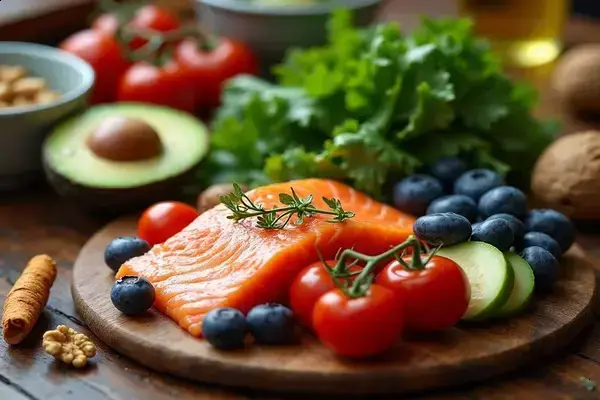
Your body isn’t just tired after a tough workout—it’s in full-on recovery mode, rebuilding muscle, restoring energy, and quietly asking: “What next?” That answer makes all the difference.
Ever noticed how draining it feels to push hard and then grab whatever’s quick or skip eating at all? That ‘hangry’ crash can slow muscle repair, keep you sore longer, and stop you from making progress you can feel. I get it, because I’ve made those same mistakes (more than once!).
By the end of this article, you’ll know exactly how a post workout meal recovery plan works, what to actually put on your plate, and how small tweaks can change the game for your muscles and energy. If you want real-life answers and not nutrition myths—let’s jump in.
Why Nutrition Right After Exercise Matters
You’ve just crushed a workout — your muscles are buzzing, sweat’s still drying, and maybe you’re already thinking about your next move. But what really happens inside your body in those first 30 minutes post-exercise? Here’s the thing: that short window is prime time for muscle repair and refueling, and what you eat (or don’t) makes a huge difference.
Right after exercise, your body’s energy stores, mainly glycogen, are depleted. Your muscles are primed to absorb nutrients and begin rebuilding. Miss this window, and your body’s recovery will be slower — sometimes you’ll notice more soreness, lingering fatigue, or even plateauing progress. The American College of Sports Medicine puts this simply: the right nutrition after activity isn’t just a bonus, it’s essential for optimal muscle protein synthesis and restoration of glycogen stores.
💡 Pro Tip: Aim to eat within 30-45 minutes post-workout. According to the International Society of Sports Nutrition, this is when your muscles are most ready to use carbs and protein efficiently, speeding up recovery and growth.
In practice: imagine finishing a spin class and heading straight to work, skipping your post-session refuel. By lunchtime, you’re dragging, focus is shot, and muscle soreness hits harder. The difference with a balanced, timely snack? You feel steadier, bounce back faster, and see gains sooner.
| Timing | Benefits | Potential Pitfalls |
|---|---|---|
| Within 30 minutes | Rapid muscle repair, reduced soreness, better energy | Requires planning ahead, not always convenient |
| After 2+ hours | Lower total recovery, slower performance gains | More fatigue, possible muscle breakdown, missed progress |
And honestly? The science keeps confirming — fast, smart refueling isn’t just for pro athletes. Anyone serious about recovery and results should make it a habit. But there’s one detail most owners completely overlook until it’s too late…
Key Nutrients For Optimal Muscle Recovery
Ever wonder why some people feel ready for action again after a tough workout, while others feel sore and stuck for days? It all comes down to what you feed your body — not just calories, but the exact nutrients that repair and rebuild muscle at the cellular level.
Muscle recovery isn’t magic. It’s mostly about replenishing what’s been lost and giving your body the raw materials to heal. The National Strength and Conditioning Association points to three main nutrients: high-quality protein for muscle protein synthesis, carbohydrates for restoring glycogen, and healthy fats for reducing inflammation. Vitamins, minerals, and hydration also play supporting roles in how you recover day after day.
Essential Recovery Nutrients
- Protein: The cornerstone of muscle repair. Whey, casein, eggs, chicken breast, and tempeh are all top options — aim for 20-40g within two hours post-exercise.
- Carbohydrates: Fast-acting fuel. Think sweet potatoes, oats, or bananas to refill muscle glycogen and support energy for tomorrow’s session.
- Fats: Omega-3s from salmon, walnuts, or chia seeds help control post-exercise inflammation for quicker rebound and less soreness.
- Electrolytes: Sodium and potassium (found in coconut water, spinach, or yogurt) replace what you’ve sweated out, supporting muscle contractions and overall function.
- Antioxidants: Blueberries, tart cherry juice, and spinach help neutralize free radicals and speed healing at the cellular level.
| Nutrient | Key Benefit | Best Sources |
|---|---|---|
| Protein | Muscle building & repair | Chicken, whey, tofu, eggs |
| Carbs | Energy restoration | Oats, rice, fruit, sweet potato |
| Fat (Omega-3) | Inflammation control | Salmon, walnuts, chia seeds |
💡 Pro Tip: Pairing protein with carbs (like Greek yogurt and berries) turbocharges muscle recovery, supporting the findings of the Academy of Nutrition and Dietetics.
Picture this scenario: after your workout, you grab an energy bar with a little protein, lots of sugar, and not much else. Compare that to a homemade shake with whey protein, frozen banana, peanut butter, and a splash of almond milk. The second option? It’s loaded with everything your muscles need to bounce back strong for tomorrow.
What actually works might surprise you…
Timing Your Post Workout Meal For Best Results
How long should you wait to eat after you’ve finished your workout? That’s a question even seasoned athletes still debate — and the truth is, timing can make or break the results of your nutrition strategy.
The concept of the “anabolic window” — that magic 30 to 60-minute period when your muscles are most primed to absorb nutrients — has some real science behind it. According to the International Society of Sports Nutrition, consuming a balanced meal of protein and carbohydrates within about an hour after training can optimize muscle repair, boost glycogen replenishment, and reduce recovery time.
- Cool Down First: Always finish your workout with 5-10 minutes of low-intensity movement and gentle stretching to help your body shift gears from exertion to recovery.
- Hydrate Immediately: Grab some water before you start thinking about food — dehydration can blunt the benefits of even the best post-workout meals.
- Eat Within 30-60 Minutes: Aim for a meal or snack within this window to maximize muscle protein synthesis and jumpstart muscle glycogen replacement.
- Balance Your Macros: Choose a mix of protein and carbs at a ratio that fits your activity level. For strength-focused routines, aim for a bit more protein; for endurance activities, boost the carbs.
- Plan Ahead: If you know you’ll be away from home after your workout, pack a portable option — a protein shake with fruit, a turkey and avocado sandwich, or Greek yogurt with granola.
⚠️ Important Warning: If you have any underlying medical conditions or dietary restrictions, consult your doctor or a registered dietitian before making changes to your nutrition schedule, especially around exercise.
Picture this scenario: you wrap up a high-intensity interval class and rush to a meeting, skipping your post-workout refuel. By mid-afternoon, your energy crashes and soreness sticks around longer than it should. Now imagine keeping a simple snack handy — a banana and peanut butter, or a cottage cheese cup. Suddenly, recovery feels faster, you’re sharper mentally, and you notice progress much sooner.
| Time After Workout | What to Eat | Ideal For |
|---|---|---|
| 0-30 min | Protein shake + banana | Quick recovery or on-the-go |
| 30-60 min | Grilled chicken with rice and veggies | Complete meal at home |
| 2+ hours | Any balanced meal | Missed the window? Still refuel |
And this is exactly where most people make the most common mistake…
Meal Ideas: What To Eat After Different Workouts
Ever stand in your kitchen post-exercise, wondering what actually qualifies as a smart recovery meal? Here’s the truth: your ideal post-workout plate depends a lot on the type of workout you’ve just finished — strength, cardio, or a combo. Calories matter, but what’s inside those calories matters even more.
- Strength Training: Focus on lean protein with moderate carbs and some healthy fats — this supports muscle repair and helps reduce inflammation. Try grilled chicken with roasted sweet potato and avocado.
- Endurance/Cardio: Go higher on the carbohydrates, moderate protein, and keep fats low for quicker digestion. Think brown rice with black beans, salsa, and a side of orange slices.
- High-Intensity Interval Training (HIIT): You’ll benefit from a balanced mix: turkey wrap with hummus and a banana, or Greek yogurt parfait with berries and granola.
💡 Pro Tip: If you’re short on time or appetite post-workout, don’t skip the meal — go for a smoothie with whey protein, berries, spinach, and almond butter. It’s fast, easy, and checks all the nutrient boxes according to the Academy of Nutrition and Dietetics.
Picture this scenario: after a sweaty morning run, instead of reaching for a packaged bar, you whip up scrambled eggs with spinach and whole-grain toast. Later in the week, post-weight session, your meal is salmon with quinoa and a side of roasted broccoli. You feel the difference — not just in recovery speed, but in mood, focus, and evening energy.
| Workout Type | Sample Meal | Why It Works |
|---|---|---|
| Strength | Chicken, sweet potato, avocado | High protein for muscle, moderate carbs, anti-inflammatory fats |
| Cardio | Rice, beans, orange slices | High carbs refuel energy, light digestion |
| HIIT | Greek yogurt, berries, granola | Balanced macros for quick repair |
And then there’s the mistake almost everyone makes when building their plate…
Common Recovery Nutrition Mistakes To Avoid
You might tick all the boxes post-workout and still find yourself sore for days, hitting energy crashes, or stalling your gains. Why? Because even seasoned athletes fall into sneaky nutrition traps that undercut recovery. The good news? Spotting these mistakes is the first step to fixing them.
- Skipping Your Meal Entirely: The most common mistake. Your body’s systems need a nutrition boost to start the repair process. If you wait too long, you miss the window for optimal muscle protein synthesis and glycogen replenishment.
- Prioritizing Only Protein or Only Carbs: Yes, protein builds muscle. But without enough carbohydrates, your body cannibalizes muscle for energy instead of recovery. The Academy of Nutrition and Dietetics highlights the importance of a balanced macronutrient approach.
- Going Too Low on Calories: Eager to “cut weight” or get lean faster? Too few calories after a tough workout slows recovery and actually increases the risk of overtraining and injury, according to the National Strength and Conditioning Association.
- Choosing Ultra-Processed Post-Workout Snacks: Those slick protein bars and shakes are fine in a pinch, but many are packed with added sugars and lack essential vitamins, minerals, or healthy fats.
- Ignoring Hydration and Electrolytes: Drinking water matters, but if you’ve been sweating hard, adding electrolytes helps support muscle function and reduces cramps.
⚠️ Important Warning: Chronic fatigue, prolonged soreness, and digestive issues may have deeper medical causes. If you notice persistent problems, consult your physician or a registered dietitian for further guidance.
Picture this scenario: after a killer circuit workout, you mindlessly snack on chips or go straight for caffeine and call it “good enough.” By evening, you’re exhausted and your appetite’s all over the place. Next time, prepping a balanced meal with grilled fish, quinoa, and a leafy salad leaves your body satisfied — and feeling recharged by morning.
| Mistake | Impact | What to Do Instead |
|---|---|---|
| Skipping your meal | Slower recovery, muscle loss | Eat within 30-60 min |
| Only protein, no carbs | Fatigue, stalled progress | Add fruit, rice, or oats |
| Ultra-processed snacks | Inflammation, poor nutrition | Choose whole foods |
Small steps, repeated consistently, make the biggest difference over time.
Your Recovery, Your Results
If you take just one thing from this guide, let it be: your post workout meal recovery isn’t about strict rules — it’s about smart, timely choices that match the effort you put in at the gym. Prioritizing protein and carbs, jumping on that recovery window, and avoiding common mistakes are three steps that level up your progress, no matter your fitness goal.
Before, recovery might’ve felt like a guessing game — soreness, fatigue, and slow gains. Now you’ve got a proven roadmap. Fill your plate with the right foods and watch how fast your strength, mood, and energy bounce back. It’s in your hands, and small improvements add up quickly.
What’s your biggest recovery struggle after a workout — time, food ideas, or sticking to the plan? Let us know in the comments! Your feedback inspires real solutions every day.

Jordan Blake Harrison is a fitness enthusiast and workout planner dedicated to helping everyday people build consistent exercise habits that actually last. With a passion for practical training plans, honest nutrition guidance, and printable fitness tools, Jordan built this blog to give real people everything they need to get fit and stay motivated — without the overwhelm.